1. Specifications Comparison
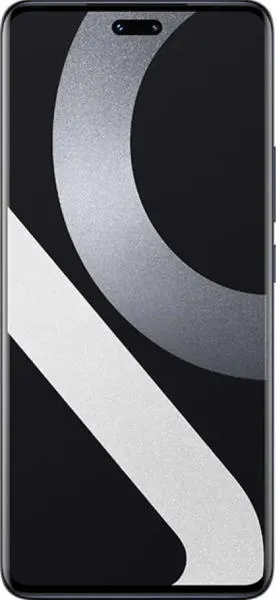
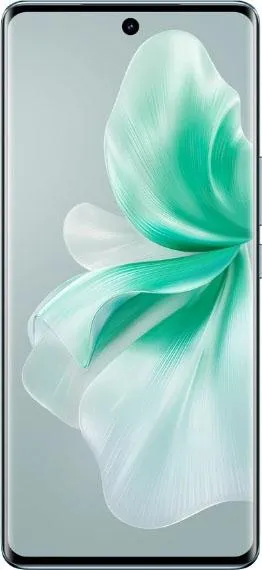
| Feature | Xiaomi 13 Lite | vivo V30 | Practical Impact |
|---|---|---|---|
| Design | |||
| Dimensions (mm) | 159.2 x 72.7 x 7.2 | 164.4 x 75.1 x 7.5 | The Vivo V30 is noticeably larger and slightly thicker. |
| Weight (g) | 171 | 186 | The Xiaomi 13 Lite is significantly lighter and will be more comfortable for extended use and one-handed operation. |
| Display | |||
| Size (inches) | 6.55 | 6.78 | The Vivo V30 offers a larger screen for more immersive media consumption and multitasking. |
| Resolution (pixels) | 1080 x 2400 | 1260 x 2800 | The Vivo V30 has a sharper display with higher pixel density, resulting in crisper text and images. |
| Panel Type | AMOLED | AMOLED | Both phones use AMOLED technology, known for vibrant colors and deep blacks. |
| Refresh Rate (Hz) | 120 | 120 | Both offer smooth scrolling and animations thanks to the 120Hz refresh rate. |
| Peak Brightness (nits) | 1000 | 2800 | The Vivo V30 boasts significantly higher peak brightness, making it much more usable in direct sunlight. |
| Color Depth | 68B | 1B | The Vivo V30 supports a wider color gamut, resulting in more accurate and nuanced color representation. |
| Performance | |||
| Chipset | Snapdragon 7 Gen 1 | Snapdragon 7 Gen 3 | The Vivo V30 uses a newer and more powerful chipset, leading to better overall performance, smoother multitasking, and improved gaming capabilities. |
| CPU | Octa-core (1x2.4 GHz A710 & 3x2.36 GHz A710 & 4x1.8 GHz A510) | Octa-core (1x2.63 GHz A715 & 3x2.4 GHz A715 & 4x1.8 GHz A510) | The Vivo V30's CPU offers faster clock speeds and architectural improvements, resulting in a noticeable performance boost. |
| GPU | Adreno 644 | Adreno 720 | The Adreno 720 in the Vivo V30 provides significantly better graphics performance for gaming and demanding applications. |
| RAM (GB) | 8 | 8 | Both phones offer the same amount of RAM. |
| Camera | |||
| Main Camera (MP) | 50 | 50 | Similar megapixel count, but sensor quality and other factors can significantly impact image quality. Detailed sensor comparison is limited by available data. |
| Front Camera (MP) | 32 + 8 (Depth) | 50 | The Vivo V30 has a higher resolution single front-facing camera. The Xiaomi 13 Lite has a dual setup with a dedicated depth sensor, potentially offering better portrait mode effects. |
| Video Recording | Up to 4K@30fps, 720p@960fps | Up to 4K@30fps with EIS | Both can record 4K video, but the Vivo V30 features Electronic Image Stabilization (EIS) for smoother footage. The Xiaomi offers a higher frame rate for slow-motion video. |
| Battery | |||
| Capacity (mAh) | 4500 | 5000 | The Vivo V30 has a larger battery capacity, potentially offering longer battery life. |
| Fast Charging (W) | 67 | 80 | The Vivo V30 supports faster charging, reducing downtime. |
2. Key Differences Analysis
Xiaomi 13 Lite Advantages:
- Lighter and More Compact: Significantly more comfortable for one-handed use and carrying.
- Lower Price: Typically more affordable.
- Dual Front Camera: Potential for better depth sensing and portrait mode effects.
- High Frame Rate Slow-Motion: 720p@960fps offers impressive slow-motion capabilities.
vivo V30 Advantages:
- More Powerful Performance: The Snapdragon 7 Gen 3 offers a substantial performance advantage for demanding tasks and gaming.
- Larger and Sharper Display: Provides a more immersive viewing experience.
- Brighter Display: Significantly improved outdoor visibility.
- Larger Battery and Faster Charging: Longer usage time and quicker charging.
- Wider Color Gamut: More accurate and vivid colors on display.
- Electronic Image Stabilization (EIS) in Video: Smoother video footage.
- More Up-to-Date Software: Ships with Android 14, offering potential feature and security advantages.
3. User Profiles & Recommendations
Xiaomi 13 Lite:
- Budget-conscious users: Prioritize affordability without sacrificing essential features.
- Users who value compactness and lightweight design: Prefer a phone that's easy to handle and carry.
- Casual users: Primarily use their phone for social media, browsing, and light gaming.
vivo V30:
- Power users: Demand high performance for gaming, multitasking, and demanding applications.
- Multimedia enthusiasts: Prioritize a large, sharp, and bright display for consuming media.
- Users who prioritize battery life and fast charging: Need a phone that can last all day and charge quickly.
- Content creators: Benefit from the improved camera features and performance for editing.
4. Decision Framework
Key Questions for Buyers:
- What is your budget? The Xiaomi 13 Lite is generally more affordable.
- What is your primary use case? Gaming and media consumption favor the Vivo V30, while casual use favors the Xiaomi 13 Lite.
- Do you prioritize portability or screen size? The Xiaomi 13 Lite is smaller and lighter, while the Vivo V30 offers a larger display.
My Choice: vivo V30
While the Xiaomi 13 Lite offers a compelling package for its price, the vivo V30's superior performance, brighter and larger display, bigger battery, faster charging, and more modern software make it the better overall choice for me. I prioritize a smooth and responsive user experience, excellent media consumption, and all-day battery life, all areas where the Vivo V30 excels. The price difference is justifiable for the significant upgrades offered. The larger size might be a drawback for some, but it's a trade-off I'm willing to make for the enhanced features.
