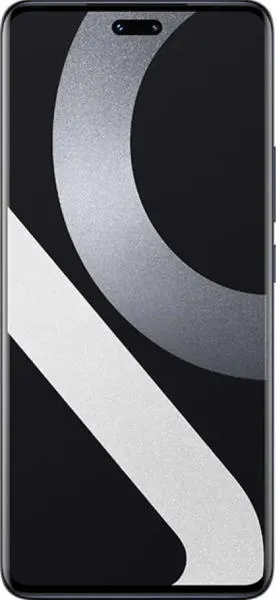
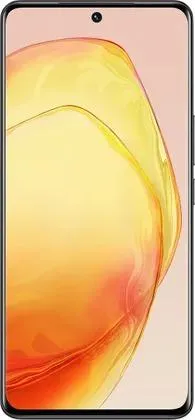
1. Specifications Comparison
| Feature | Xiaomi 13 Lite | vivo V29 | Practical Impact |
|---|---|---|---|
| Design | |||
| Dimensions (mm) | 159.2 x 72.7 x 7.2 | 164.2 x 74.4 x 7.5 | The Vivo V29 is slightly larger and thicker. |
| Weight (g) | 171 | 186 | The Xiaomi 13 Lite is noticeably lighter, improving one-handed use. |
| Display | |||
| Size (inches) | 6.55 | 6.78 | The Vivo V29 offers a larger screen for more immersive media consumption. |
| Resolution | 1080 x 2400 | 1260 x 2800 | The Vivo V29 has a sharper display due to higher resolution and pixel density. |
| Panel Type | AMOLED | AMOLED | Both offer vibrant colors and deep blacks. |
| Refresh Rate (Hz) | 120 | 120 | Both provide smooth scrolling and animations. |
| Color Depth | 68B | 1B | The Vivo V29 boasts a wider color gamut, potentially offering more accurate color reproduction. |
| Peak Brightness (nits) | 1000 | 1300 | The Vivo V29 should be more visible in direct sunlight. |
| Performance | |||
| Chipset | Snapdragon 7 Gen 1 (4nm) | Snapdragon 778G 5G (6nm) | While both are mid-range chips, benchmarks suggest the Snapdragon 778G+ in the Vivo V29 offers slightly better performance. |
| CPU | Octa-core (1x2.4 GHz A710 & 3x2.36 GHz A710 & 4x1.8 GHz A510) | Octa-core (1x2.4 GHz A78 & 3x2.2 GHz A78 & 4x1.9 GHz A55) | The architectural differences in CPU cores might give the Vivo V29 a slight edge in sustained performance. |
| GPU | Adreno 644 | Adreno 642L | Both GPUs are capable of handling most games, though the Adreno 644 might have a slight advantage in some titles. |
| RAM (GB) | 8 | 8 | Both phones offer ample RAM for multitasking. |
| Camera | |||
| Main Camera (MP) | 50 (Sony IMX766) | 50 | Both have 50MP main sensors, but the specific sensor in the Vivo V29 is not specified, limiting detailed comparison. |
| Front Camera (MP) | 32 + 8 | 50 | The Vivo V29 boasts a higher resolution single front camera compared to the dual front camera setup on the Xiaomi, which includes a depth sensor. |
| Video Recording | Up to 4K@30fps, 720p@960fps | Up to 4K@30fps | The Xiaomi offers higher slow-motion video recording capabilities. |
| Optical Image Stabilization | No | Yes | The Vivo V29 having OIS will result in significantly more stable videos and potentially better low-light photos. |
| Battery | |||
| Capacity (mAh) | 4500 | 4600 | The Vivo V29 has a slightly larger battery. |
| Fast Charging (W) | 67 | 80 | The Vivo V29 supports faster charging. |
2. Key Differences Analysis
Xiaomi 13 Lite Advantages:
- Lighter and More Compact: Easier to handle and carry.
- Higher Slow-Motion Video Recording: Captures more detailed slow-motion footage.
- Potentially Lower Price: Depending on specific market and retailer.
vivo V29 Advantages:
- Larger, Sharper Display: More immersive media consumption experience.
- Slightly Better Performance: Smoother multitasking and potentially better gaming performance.
- Faster Charging: Less downtime spent charging.
- Optical Image Stabilization: Significantly improved video stability and low-light photography.
- Brighter Display: Easier to see outdoors.
- Wider Color Gamut: More accurate and vibrant colors on display.
3. User Profiles & Recommendations
Xiaomi 13 Lite: Users prioritizing a lightweight, compact phone for everyday use, social media, and occasional gaming. Good for users on a tighter budget.
vivo V29: Users who value a large, high-quality display for media consumption, gaming, and photography/videography, especially in bright conditions. The faster charging is a plus for power users.
4. Decision Framework
Key Questions for Buyers:
- What is your budget? The Xiaomi 13 Lite is likely more affordable.
- What screen size do you prefer? The Vivo V29 offers a larger and sharper display.
- What are your photography/videography needs? The Vivo V29's OIS is a significant advantage for video stability.
Scenario-Based Recommendations:
- Heavy Media Consumer: Vivo V29
- Budget-Conscious Buyer: Xiaomi 13 Lite
- One-Handed Use Prioritized: Xiaomi 13 Lite
- Photography/Videography Enthusiast: Vivo V29
My Choice: vivo V29
While the Xiaomi 13 Lite offers a compelling lightweight design, the vivo V29's advantages in display quality, performance, camera stabilization (OIS), faster charging, and brighter screen outweigh the size and weight difference for me. The superior media consumption experience, improved photography/videography capabilities, and future-proofed performance of the Vivo V29 make it a more compelling overall package, despite the potential price premium. The OIS alone is a huge differentiator for video recording, a feature I utilize frequently. The brighter screen is also crucial for outdoor usage.
