1. Specifications Comparison
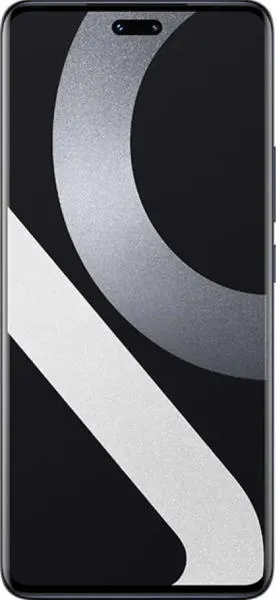
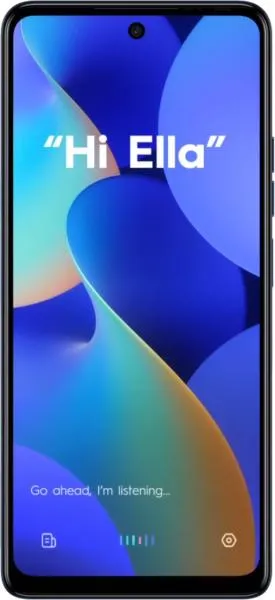
| Feature | Xiaomi 13 Lite | Tecno Spark 10 Pro | Practical Impact |
|---|---|---|---|
| Design | |||
| Dimensions (mm) | 159.2 x 72.7 x 7.2 | 168.4 x 76.2 x 8.4 | Xiaomi is significantly more compact and lighter, easier for one-handed use and pocket portability. Tecno is larger and heavier. |
| Weight (g) | 171 | 208 | Reinforces the portability advantage of the Xiaomi. |
| Display | |||
| Display Type | AMOLED | IPS LCD | Xiaomi offers richer colors, deeper blacks, and better power efficiency. Tecno's LCD might be brighter in direct sunlight. |
| Refresh Rate (Hz) | 120 | 90 | Xiaomi provides smoother scrolling and animations. |
| Display Size (inches) | 6.55 | 6.8 | Tecno offers a slightly larger screen for media consumption, but the difference is minimal. |
| Performance | |||
| Chipset | Snapdragon 7 Gen 1 (4nm) | Helio G88 (12nm) | Xiaomi's processor is significantly more powerful and efficient, leading to better performance and battery life. |
| CPU | Octa-core (1x2.4 GHz...) | Octa-core (2x2.0 GHz...) | Xiaomi's CPU architecture and higher clock speeds offer superior multi-tasking and demanding application performance. |
| GPU | Adreno 644 | Mali-G52 MC2 | Xiaomi's GPU offers a significant advantage in gaming and graphics-intensive tasks. |
| RAM (GB) | 8 | 8 | Both phones offer ample RAM for multitasking. |
| Camera | |||
| Main Camera (MP) | 50 (Sony IMX766) | 50 | Xiaomi utilizes a known high-quality sensor (IMX766), likely resulting in better image quality. Tecno's sensor is unspecified. |
| Video Recording | 4K@30fps, 720p@960fps | 1440p@30fps, 1080p@30fps | Xiaomi offers higher resolution slow-motion video recording. Tecno offers slightly higher standard video resolution |
| Battery | |||
| Capacity (mAh) | 4500 | 5000 | Tecno has a larger battery capacity, potentially offering longer battery life despite a less efficient processor. |
| Fast Charging | 67W | 18W | Xiaomi charges significantly faster. |
2. Key Differences Analysis
Xiaomi 13 Lite Advantages:
- Significantly better performance: The Snapdragon 7 Gen 1 outperforms the Helio G88 in processing power and graphics capabilities.
- Superior display: AMOLED technology provides vibrant colors and deep blacks. The 120Hz refresh rate ensures smooth visuals.
- Faster charging: 67W fast charging drastically reduces charging time.
- More compact and lightweight: Easier to handle and carry.
- Known high-quality main camera sensor: Likely to produce better images.
Tecno Spark 10 Pro Advantages:
- Larger battery capacity: Potentially longer battery life, but real-world usage will depend on the less efficient processor.
- Larger display: Slightly larger screen for media consumption.
- Lower Price: Significantly more affordable.
Trade-offs:
- Xiaomi: Higher price for superior performance, display, and features.
- Tecno: Compromises performance, display quality, and charging speed for a lower price and larger battery.
3. User Profiles & Recommendations
Xiaomi 13 Lite: Users who prioritize performance, a high-quality display, fast charging, and a compact design. Ideal for gaming, multitasking, and media consumption.
Tecno Spark 10 Pro: Budget-conscious users who prioritize battery life and a large screen above all else. Suitable for basic tasks, social media, and light media consumption. Less demanding users who value affordability.
4. Decision Framework
Key Questions for Buyers:
- What is your budget? The Xiaomi is significantly more expensive.
- What are your performance requirements? For demanding tasks and gaming, the Xiaomi is vastly superior.
- How important is display quality and charging speed? The Xiaomi excels in both areas.
Scenario-Based Recommendations:
- Gamer: Xiaomi 13 Lite
- Heavy multitasker: Xiaomi 13 Lite
- Budget-conscious user with basic needs: Tecno Spark 10 Pro
- User who prioritizes battery life above all else: Tecno Spark 10 Pro (but consider the slower charging)
My Choice: Xiaomi 13 Lite
While the Tecno Spark 10 Pro offers a larger battery and lower price, the Xiaomi 13 Lite's significant advantages in performance, display quality, charging speed, and overall build quality make it the clear winner for me. I value a smooth and responsive user experience, which the Snapdragon 7 Gen 1 and 120Hz AMOLED display deliver. The faster charging is a major convenience, and the more compact form factor suits my preference. The higher price is justified by the superior overall package. The unknown camera sensor in the Tecno is also a concern. While battery life is important, the Xiaomi's efficiency improvements likely minimize the difference in real-world usage, and the fast charging compensates for any shortfall.
