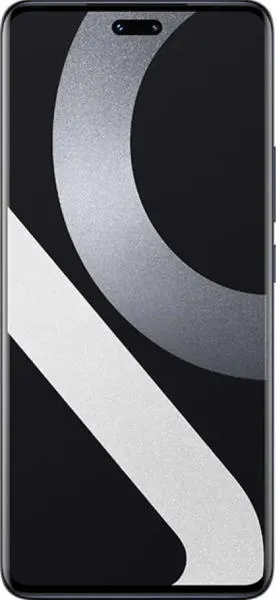
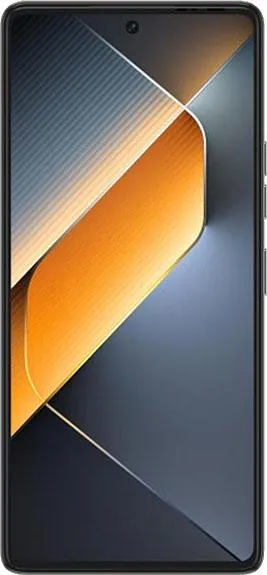
1. Specifications Comparison
| Feature | Xiaomi 13 Lite | Tecno Pova 6 Pro | Practical Impact |
|---|---|---|---|
| Design | |||
| Dimensions (mm) | 159.2 x 72.7 x 7.2 | 165.5 x 76.1 x 7.9 | Pova 6 Pro is larger and thicker. Xiaomi 13 Lite is more pocketable and easier to handle one-handed. |
| Weight (g) | 171 | 198 | Xiaomi 13 Lite is noticeably lighter, reducing hand fatigue during extended use. |
| Display | |||
| Size (inches) | 6.55 | 6.78 | Pova 6 Pro offers a larger screen for more immersive media consumption and multitasking. |
| Resolution | 1080 x 2400 | 1080 x 2436 | Negligible difference in sharpness due to similar pixel density. |
| Panel Type | AMOLED | AMOLED | Both offer vibrant colors and deep blacks. |
| Refresh Rate (Hz) | 120 | 120 | Both provide smooth scrolling and animations. |
| Peak Brightness (nits) | 1000 | 1300 | Pova 6 Pro's higher peak brightness improves outdoor visibility. |
| HDR | Dolby Vision, HDR10+ | (Missing HDR Spec) | Xiaomi 13 Lite supports wider HDR formats for better video streaming quality on compatible content. We can't ascertain Pova 6 Pro's HDR capabilities without more data. |
| Performance | |||
| Chipset | Snapdragon 7 Gen 1 (4nm) | Dimensity 6080 (6nm) | Snapdragon 7 Gen 1 generally offers better performance and efficiency due to its superior architecture and manufacturing process. |
| CPU | Octa-core (1x2.4 GHz A710 & 3x2.36 GHz A710 & 4x1.8 GHz A510) | Octa-core (2x2.4 GHz A76 & 6x2.0 GHz A55) | While both have similar peak clock speeds, the Snapdragon 7 Gen 1's newer core architecture should provide faster and more efficient performance. |
| GPU | Adreno 644 | Mali-G57 MC2 | Adreno 644 generally offers stronger gaming performance. |
| RAM (GB) | 8 | 12 (in the compared version) | Pova 6 Pro's larger RAM enables better multitasking and app switching, especially beneficial for demanding users. |
| Camera | |||
| Main Camera (MP) | 50 (Sony IMX766) | 108 | Pova 6 Pro boasts higher resolution, potentially capturing more detail. However, sensor size and image processing are crucial for overall quality, which cannot be fully assessed with available data. Xiaomi benefits from a known high-quality sensor (IMX766). |
| Video Recording | Up to 4K@30fps, 960fps slow-mo | Up to 1440p@30fps, 240fps slow-mo | Xiaomi offers higher resolution video recording and significantly slower slow-motion capabilities. |
| Battery | |||
| Capacity (mAh) | 4500 | 6000 | Pova 6 Pro's significantly larger battery will likely provide much longer battery life. |
| Fast Charging (W) | 67 | 70 | Negligible difference in charging speed. |
2. Key Differences Analysis
Xiaomi 13 Lite Advantages:
- Superior Performance: The Snapdragon 7 Gen 1 provides a noticeable performance advantage for demanding tasks and gaming.
- More Compact and Lightweight: Easier to handle and carry.
- Higher Quality Main Camera Sensor: The Sony IMX766 is known for its good performance.
- Wider HDR Support: Better video streaming quality.
- Higher Resolution Slow Motion Video: More dramatic slow-motion capture.
Tecno Pova 6 Pro Advantages:
- Significantly Longer Battery Life: The 6000mAh battery is a major advantage for heavy users.
- Larger Display: More immersive media experience.
- More RAM: Better multitasking performance.
- Higher Resolution Main Camera: Potentially more detailed photos (depending on other factors not listed).
3. User Profiles & Recommendations
Xiaomi 13 Lite: Users who prioritize performance, portability, a known high-quality camera experience and a premium feel. Suitable for gaming, photography enthusiasts, and those who prefer a compact phone.
Tecno Pova 6 Pro: Users who prioritize long battery life, a large screen for media consumption, and extensive multitasking. Ideal for heavy users, students, and those on a tighter budget who don't heavily rely on high performance.
4. Decision Framework
Key Questions for Buyers:
- What is your budget and how important is performance? The Xiaomi 13 Lite is likely more expensive but offers better performance.
- How important is battery life? The Tecno Pova 6 Pro excels in battery life.
- Do you prefer a compact phone or a large screen? The Xiaomi 13 Lite is more pocketable, while the Tecno Pova 6 Pro offers a larger display.
My Choice: Xiaomi 13 Lite
While the Tecno Pova 6 Pro offers a compelling combination of a large battery, big screen and RAM, the Xiaomi 13 Lite's superior performance, more compact form factor, known high-quality main camera sensor, and wider HDR support make it the better overall device for my needs. I prioritize a smooth user experience, a phone that easily fits in my pocket, and a reliable camera. The slightly higher price would be worth it for the significant gains in daily usability and longevity provided by the better processor. The larger battery of the Pova 6 Pro is tempting, but I value a snappy, responsive phone more. The lack of clear HDR specifications for the Pova 6 Pro is also concerning.
