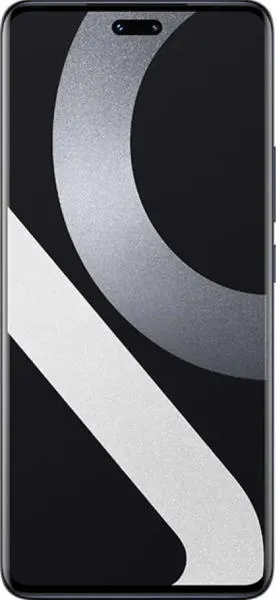
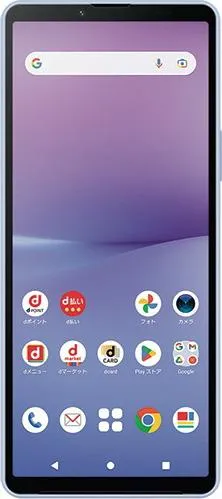
1. Specifications Comparison
| Feature | Xiaomi 13 Lite | Sony Xperia 10 V | Practical Impact |
|---|---|---|---|
| Design | |||
| Dimensions (mm) | 159.2 x 72.7 x 7.2 | 155 x 68 x 8.3 | Xperia 10 V is slightly shorter and narrower, but thicker. Xiaomi 13 Lite is thinner and potentially feels more premium. |
| Weight (g) | 171 | 159 | Xperia 10 V is noticeably lighter, reducing hand fatigue during extended use. |
| Display | |||
| Size (inches) | 6.55 | 6.1 | Xiaomi 13 Lite offers a larger screen for more immersive media consumption. |
| Resolution | 1080 x 2400 | 1080 x 2520 | Similar sharpness, but Xperia 10 V is slightly taller due to the 21:9 aspect ratio. This might be beneficial for productivity and viewing cinematic content but less so for some games. |
| Type | AMOLED | OLED | Both offer excellent contrast and vibrant colors. However, Xiaomi's AMOLED with 68B colors and HDR10+ likely provides a wider color gamut and higher dynamic range resulting in a more visually appealing experience. |
| Refresh Rate (Hz) | 120 | Not specified | Xiaomi 13 Lite's 120Hz refresh rate delivers smoother animations and scrolling. The lack of refresh rate specification for the Xperia 10 V makes a direct comparison impossible. |
| Performance | |||
| Chipset | Snapdragon 7 Gen 1 (4nm) | Snapdragon 695 5G (6nm) | Xiaomi 13 Lite has a more powerful and efficient processor, leading to better performance in demanding tasks and potentially longer battery life due to the smaller manufacturing process. |
| CPU | Octa-core (1x2.4 GHz Cortex-A710 & 3x2.36 GHz Cortex-A710 & 4x1.8 GHz Cortex-A510) | Octa-core (2x2.2 GHz Kryo 660 Gold & 6x1.7 GHz Kryo 660 Silver) | Xiaomi 13 Lite's CPU configuration suggests superior performance, especially in single-threaded tasks. |
| GPU | Adreno 644 | Adreno 619 | Xiaomi 13 Lite's GPU is more capable for gaming and graphically intensive applications. |
| RAM (GB) | 8 | 6/8 (Variant Dependent) | More RAM in certain Xiaomi configurations enables better multitasking. This specification is dependent on the specific Xperia 10 V variant. |
| Camera | |||
| Main Camera (MP) | 50 (Sony IMX766) | 48 (Sony IMX582) | Both sensors are capable, but the IMX766 in the Xiaomi generally receives better reviews for image quality. |
| Video Recording | Up to 4K@30fps, 720p@960fps | Up to 1080p@30fps | Xiaomi 13 Lite offers more versatile video recording options including higher resolution and slow-motion capture. |
| Battery | |||
| Capacity (mAh) | 4500 | 5000 | Xperia 10 V has a larger battery capacity, potentially offering longer usage time. |
| Fast Charging | 67W | Unspecified | Xiaomi 13 Lite supports significantly faster charging, minimizing downtime. The lack of wattage specification for the Xperia makes a direct comparison impossible. |
2. Key Differences Analysis
Xiaomi 13 Lite Advantages:
- Superior Performance: The Snapdragon 7 Gen 1 significantly outperforms the Snapdragon 695, resulting in smoother multitasking, faster app loading, and better gaming performance.
- Better Display: The 120Hz AMOLED display with HDR10+ offers a smoother and more visually appealing experience compared to the Xperia 10 V's OLED screen with unspecified refresh rate.
- Faster Charging: 67W fast charging significantly reduces charging time.
- More Versatile Camera: Offers 4K video recording and 960fps slow-motion.
Sony Xperia 10 V Advantages:
- Larger Battery: The 5000mAh battery potentially provides longer battery life.
- Lighter Weight: More comfortable for extended use.
- Potentially Lower Price: Depending on the specific RAM/Storage configuration of both devices.
3. User Profiles & Recommendations
Xiaomi 13 Lite: Suited for users who prioritize performance, a vibrant display, fast charging, and versatile camera features. Ideal for gaming, media consumption, and demanding tasks.
Sony Xperia 10 V: Best for users who prioritize battery life and a lightweight design. Suitable for users who primarily use their phones for basic tasks, web browsing, and communication.
4. Decision Framework
Key Questions for Buyers:
- What is your budget? Compare prices for specific RAM/storage configurations.
- What are your primary phone usage patterns? (Gaming, media consumption, basic communication, etc.)
- Which features are most important to you? (Performance, battery life, display quality, camera capabilities)
Scenario-Based Recommendations:
- Heavy User: Xiaomi 13 Lite is a better choice for power users due to its superior performance and faster charging.
- Light User: Sony Xperia 10 V might suffice for light users who prioritize battery life above all else.
- Budget-Conscious Gamer: Xiaomi 13 Lite offers better gaming performance for the price point.
My Choice: Xiaomi 13 Lite
While the Sony Xperia 10 V boasts a larger battery and lighter weight, the Xiaomi 13 Lite's superior performance, faster charging, more vibrant display with 120Hz, and more versatile camera make it a more compelling overall package for my needs. I prioritize a smooth and responsive user experience, and the Snapdragon 7 Gen 1, coupled with the 120Hz AMOLED display, delivers that. The faster charging is also a significant advantage in my daily usage. The Xperia 10 V's advantages, while valuable, don't outweigh the performance and feature差距 for me personally. The lack of specific details regarding refresh rate and charging speed on the Sony side also makes it harder to recommend confidently.
