1. Specifications Comparison
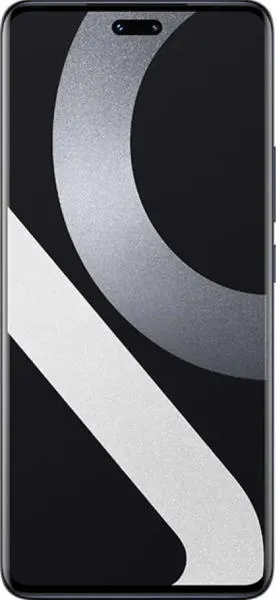
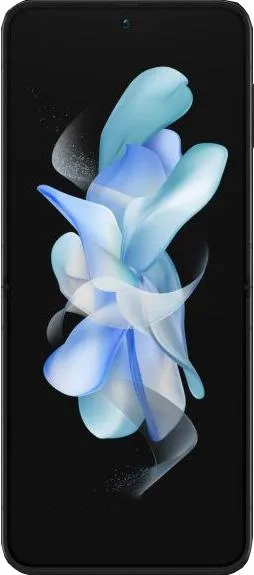
| Feature | Xiaomi 13 Lite | Samsung Galaxy Z Flip5 | Practical Impact |
|---|---|---|---|
| Design | |||
| Dimensions (mm) | 159.2 x 72.7 x 7.2 | 165.1 x 71.9 x 6.9 (folded) | Z Flip5 significantly more compact when folded, pocketable; unfolded, similar screen size but wider. Xiaomi 13 Lite thinner overall. |
| Weight (g) | 171 | 187 | Z Flip5 slightly heavier but foldable design may be perceived as more premium. |
| Foldable | No | Yes | Z Flip5 offers unique form factor and portability; potential durability concerns due to hinge. |
| Display | |||
| Size (inches) | 6.55 | 6.7 | Similar screen real estate. |
| Resolution (px) | 1080 x 2400 | 1080 x 2640 | Z Flip5 slightly taller aspect ratio, minimal difference in sharpness. |
| Type | AMOLED | Dynamic AMOLED 2X | Both offer vivid colors and deep blacks; Samsung likely uses a more advanced AMOLED panel with potential improvements in brightness and color accuracy. "Dynamic" suggests variable refresh rate optimization. |
| Refresh Rate (Hz) | 120 | 120 | Both offer smooth scrolling and animations. |
| Peak Brightness | 1000 nits | 1750 nits | Z Flip5 significantly brighter, improving outdoor visibility. |
| Performance | |||
| Chipset | Snapdragon 7 Gen 1 | Snapdragon 8 Gen 2 | Z Flip5 boasts flagship-level performance, significantly faster and more power-efficient. Expect smoother multitasking, gaming, and demanding applications. |
| CPU | Octa-core | Octa-core | Z Flip5 utilizes newer, more powerful core architecture, resulting in better performance. |
| GPU | Adreno 644 | Adreno 740 | Z Flip5 has a significantly more powerful GPU, better for gaming and graphics-intensive tasks. |
| RAM (GB) | 8 | 8 | Same RAM capacity. |
| Camera | |||
| Main Camera (MP) | 50 | 12 | Xiaomi 13 Lite has higher resolution; sensor size and other factors also influence image quality. Direct comparison requires real-world image samples. Z Flip5 leveraged foldable design for unique angles. |
| Video | 4K@30fps | 4K@60fps with HDR | Z Flip5 can record higher resolution and frame rate video with HDR, resulting in better quality footage. |
| Battery | |||
| Capacity (mAh) | 4500 | 3700 | Xiaomi 13 Lite has a larger battery, potentially longer battery life. Real-world usage varies. |
2. Key Differences Analysis
Xiaomi 13 Lite Advantages:
- Lower Price: Expected to be more affordable.
- Larger Battery: Potentially longer battery life.
- Higher Resolution Main Camera: Potentially more detailed photos in good lighting. Needs further analysis based on sensor performance, not just megapixel count.
Samsung Galaxy Z Flip5 Advantages:
- Foldable Design: Unique form factor, increased portability.
- Significantly Faster Performance: Snapdragon 8 Gen 2 offers a substantial performance boost.
- Brighter Display: Enhanced outdoor visibility.
- Higher Quality Video Recording: 4K@60fps with HDR.
- More mature software and potentially longer software updates Samsung has a better track record of providing longer term software updates compared to Xiaomi.
3. User Profiles & Recommendations
Xiaomi 13 Lite:
- Budget-conscious users: Seeking a well-rounded phone without breaking the bank.
- Users prioritizing battery life: Larger battery capacity suggests longer usage time.
Samsung Galaxy Z Flip5:
- Users valuing portability and style: Foldable design offers a unique and compact form factor.
- Power users: Demanding tasks, gaming, and multimedia consumption benefit from the flagship performance.
- Content creators: High-quality video recording capabilities and flexible shooting angles due to foldable design.
4. Decision Framework
Key Questions for Buyers:
- Budget: How much are you willing to spend?
- Performance Needs: Do you require flagship-level performance for demanding tasks or gaming?
- Form Factor Preference: Do you prioritize portability and a unique design over a traditional smartphone?
My Choice: Samsung Galaxy Z Flip5
While the Xiaomi 13 Lite offers a compelling value proposition with its larger battery and potentially lower price, the Samsung Galaxy Z Flip5 is the superior device overall. The foldable design, flagship performance of the Snapdragon 8 Gen 2, brighter display, and superior video recording capabilities make it a more compelling choice for my needs. I prioritize performance, portability, and a unique user experience, and the Z Flip5 delivers on all fronts. The significantly faster processor, brighter screen, and HDR video recording are major advantages for me. While the price premium exists, the innovative form factor and performance gains justify the cost. I acknowledge the battery is smaller, but power efficiency gains in the Snapdragon 8 Gen 2 might offset this in real-world usage.
