1. Specifications Comparison
| Feature | Xiaomi 13 Lite | Samsung Galaxy Tab S9 FE+ | Practical Impact |
|---|---|---|---|
| Design | |||
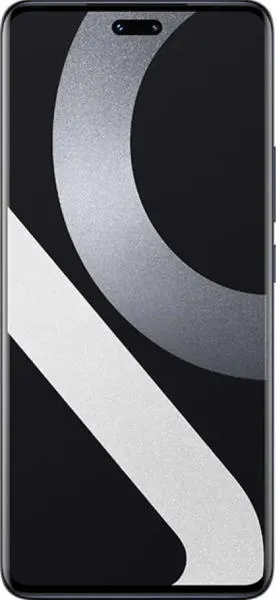
| Dimensions (mm) | 159.2 x 72.7 x 7.2 | 285.4 x 185.4 x 6.5 | The Xiaomi 13 Lite is a significantly smaller and more pocketable smartphone. The Samsung is a large tablet. |
| Weight (g) | 171 | 627 | The weight difference makes the Xiaomi much more comfortable for one-handed use and extended periods. The Samsung is better suited for desk or lap use. |
| Display | |||
| Display Type | 6.55" AMOLED, 120Hz | 12.4" IPS LCD, 90Hz | The Xiaomi offers vibrant colors, deeper blacks, and smoother scrolling due to AMOLED and the higher refresh rate. The Samsung's larger LCD offers more screen real estate for multitasking and media consumption, but with less vibrant colors and a lower refresh rate. |
| Resolution | 1080 x 2400 | 2560 x 1600 | Similar pixel density despite the size difference, resulting in comparable sharpness. |
| Performance | |||
| Chipset | Snapdragon 7 Gen 1 | Exynos 1380 | Both chipsets offer good mid-range performance, but benchmarks suggest the Snapdragon 7 Gen 1 might have a slight edge in raw processing power. Real-world performance differences may be negligible for average users. |
| RAM | 8GB | 8GB/12GB | The Samsung offers a 12GB RAM option, beneficial for heavy multitasking and demanding applications. |
| OS | Android 12 | Android 13 | Samsung has a newer OS version and a longer commitment to updates (up to Android 17). |
| Camera | |||
| Rear Camera | 50MP Main, 8MP Wide, 2MP Macro | 12MP Main, 8MP Wide | The Xiaomi has a higher resolution main sensor potentially capturing more detail in photos, and includes a dedicated macro lens. While specs suggest the Xiaomi's camera setup is superior, real-world image quality depends heavily on software processing. |
| Front Camera | 32MP + 8MP Depth | 8MP | The Xiaomi boasts a significantly higher resolution front camera setup with a dedicated depth sensor, likely resulting in better selfies and portrait mode photos. |
| Battery | |||
| Capacity | 4500 mAh | 10090 mAh | The Samsung's significantly larger battery capacity will provide much longer usage time between charges, crucial for a tablet. |
| Charging | 67W Fast Charging | 45W Fast Charging | The Xiaomi charges faster, minimizing downtime. However, the Samsung's larger battery will take longer to fully charge despite the faster wattage. |
2. Key Differences Analysis
Xiaomi 13 Lite Advantages:
- Portability: Significantly smaller and lighter, ideal for one-handed use.
- Superior Display: AMOLED with a 120Hz refresh rate offers vivid colors and smooth scrolling.
- Faster Charging: 67W fast charging minimizes downtime.
- Potentially Better Camera: Higher resolution sensors, especially for selfies.
Samsung Galaxy Tab S9 FE+ Advantages:
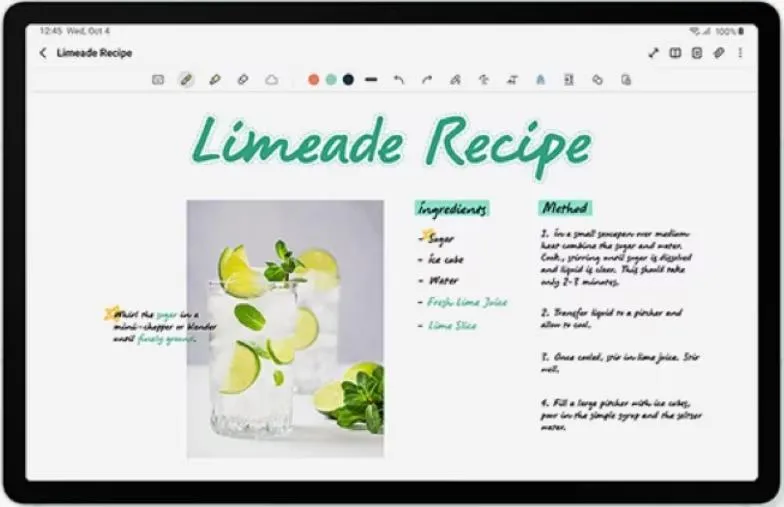
- Larger Display: Provides more screen real estate for multitasking and media consumption.
- Much Larger Battery: Substantially longer battery life.
- Newer OS and Longer Update Support: Android 13 with updates promised up to Android 17.
- Tablet Functionality: Designed for productivity and content creation with optional accessories.
Trade-offs:
- The Xiaomi's portability comes at the cost of battery life.
- The Samsung's large screen and battery result in a less portable device.
3. User Profiles & Recommendations
Xiaomi 13 Lite: Ideal for users who prioritize portability, a vibrant display, and fast charging. Best suited for:
- Social media enthusiasts
- Mobile gamers (casual)
- Users who value one-handed usability
- Budget-conscious buyers seeking a feature-rich phone
Samsung Galaxy Tab S9 FE+: Best for users who need a large screen for productivity, media consumption, and creative tasks. Suited for:
- Students and professionals for note-taking, presentations, and multitasking.
- Artists and designers who can utilize the large screen for drawing and sketching (with optional stylus).
- Users who prioritize long battery life for extended use without charging.
4. Decision Framework
Key Questions for Buyers:
- What is your primary use case? (e.g., communication, entertainment, productivity)
- How important is portability? (e.g., pocket-sized vs. larger screen)
- What is your budget?
Scenario-Based Recommendations:
- Commuter needing a reliable phone: Xiaomi 13 Lite (portability and fast charging)
- Student needing a device for note-taking and entertainment: Samsung Galaxy Tab S9 FE+ (large screen and long battery life)
- Professional needing a device for presentations and multitasking: Samsung Galaxy Tab S9 FE+
My Choice: Xiaomi 13 Lite
While the Samsung Galaxy Tab S9 FE+ offers compelling features like a large screen and exceptional battery life, I would choose the Xiaomi 13 Lite. My personal priorities lean towards portability and a premium display experience. The Xiaomi's compact form factor, vibrant AMOLED screen with 120Hz, and fast charging are more appealing for my daily usage, which primarily involves communication, web browsing, social media, and casual gaming. I am also willing to sacrifice some battery life for the significant gains in portability. The Samsung tablet is excellent for specific use cases, but it doesn't align with my personal needs and preferences.
