1. Specifications Comparison
| Feature | Xiaomi 13 Lite | Samsung Galaxy Tab S9 FE | Practical Impact |
|---|---|---|---|
| Design | |||
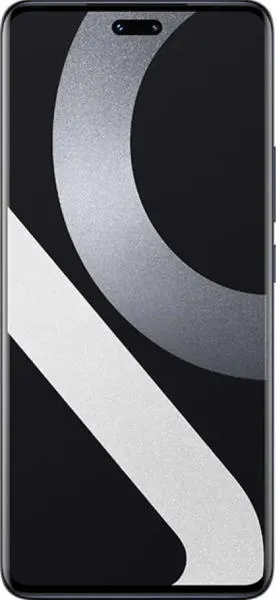
| Dimensions (mm) | 159.2 x 72.7 x 7.2 | 254.3 x 165.8 x 6.5 | The Xiaomi 13 Lite is a significantly smaller and more pocketable device; the Samsung is a large tablet. |
| Weight (g) | 171 | 523 | Xiaomi 13 Lite is much lighter and easier to hold for extended periods. The Tab S9 FE is better suited for tabletop use. |
| Display | |||
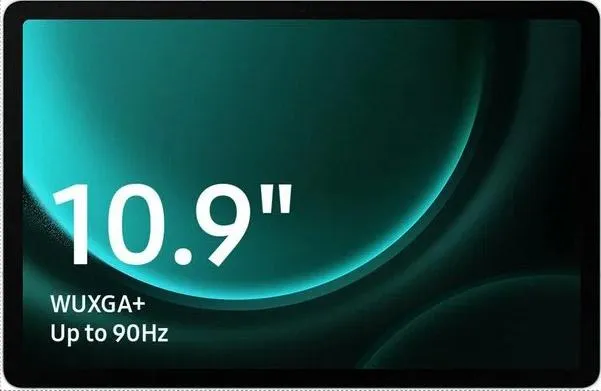
| Display Type | 6.55" AMOLED, 120Hz | 10.9" IPS LCD, 90Hz | The Xiaomi offers more vibrant colors, deeper blacks, and smoother scrolling thanks to AMOLED and 120Hz. The Samsung's larger LCD offers more screen real estate for multitasking but with less vibrant colors and a lower refresh rate. |
| Resolution | 1080 x 2400 | 1440 x 2304 | Both offer sharp visuals, but the Samsung has a slightly higher resolution suited to its larger display size. |
| Peak Brightness | 1000 nits | Not specified | The Xiaomi's higher peak brightness ensures better visibility in direct sunlight. We can't compare without the Samsung's spec. |
| Performance | |||
| Chipset | Snapdragon 7 Gen 1 | Exynos 1380 | Both are mid-range chipsets, but benchmarks would be needed for definitive performance comparison. The Snapdragon chip generally has a stronger reputation for gaming performance. |
| RAM | 8GB | 6/8GB | The 8GB RAM in the Xiaomi configuration offers better multitasking and app switching compared to the 6GB Tab S9 FE вариант. |
| OS | Android 12 | Android 13 | The Samsung ships with a newer Android version out of the box, offering potential feature and security advantages. Long term OS support is unclear for both devices. |
| Camera | |||
| Rear Camera | 50MP Main + 8MP Wide + 2MP Macro | 12MP Main | Xiaomi offers a more versatile triple camera system. The higher megapixel count on the main sensor suggests potentially better detail, but real-world image quality depends on processing. |
| Front Camera | 32MP + 8MP Depth | 8MP | The Xiaomi features a dual front-facing camera system for potentially improved portrait mode effects. |
| Battery | |||
| Capacity | 4500 mAh | 8000 mAh | Significantly larger battery on the Samsung tablet will likely provide much longer battery life, especially given the less demanding 90Hz display. |
| Charging | 67W Fast Charging | 45W Fast Charging | The Xiaomi charges faster, minimizing downtime. |
2. Key Differences Analysis
Xiaomi 13 Lite Advantages:
- Portability: Significantly smaller and lighter.
- Superior Display: AMOLED with 120Hz refresh rate for vibrant colors and smooth scrolling.
- Faster Charging: 67W fast charging.
- More Versatile Camera: Triple rear camera and dual front camera.
Samsung Galaxy Tab S9 FE Advantages:
- Larger Display: More screen real estate for multitasking and media consumption.
- Longer Battery Life: 8000 mAh battery for extended usage.
- Newer Android Version: Ships with Android 13.
- S-Pen Support: Though not listed in specs, the FE line typically supports the S Pen, offering advantages for note-taking and drawing.
3. User Profiles & Recommendations
Xiaomi 13 Lite: Ideal for users who prioritize portability, a high-quality display, fast charging, and a versatile camera. Best for everyday smartphone tasks, social media, web browsing, and casual gaming.
Samsung Galaxy Tab S9 FE: Best suited for users who need a large screen for productivity, media consumption, and creative tasks. Good for students, artists, and those who consume lots of video content.
4. Decision Framework
Key Questions for Buyers:
- Smartphone or Tablet?: Do you need a pocketable phone or a larger device for productivity and media?
- Display Quality vs. Battery Life: Which is more important: a vibrant, smooth display or exceptionally long battery life?
- Content Creation: Is note-taking or drawing a priority (pointing towards the S Pen capabilities of the Samsung)?
My Choice: Xiaomi 13 Lite
While the Samsung Galaxy Tab S9 FE offers advantages in battery life and screen size, I would choose the Xiaomi 13 Lite. As a smartphone analyst focused on mobile devices, portability and a premium display experience are paramount to me. The Xiaomi's AMOLED screen with 120Hz, coupled with its compact form factor and faster charging, outweighs the benefits of the larger tablet for my daily usage. I prioritize one-handed usability, vibrant media consumption on the go, and quick charging. The Samsung tablet would be a better fit if my priorities were content creation, extended battery life for travel, or media consumption at home.
