1. Specifications Comparison
| Feature | Xiaomi 13 Lite | Samsung Galaxy M35 | Practical Impact |
|---|---|---|---|
| Design | |||
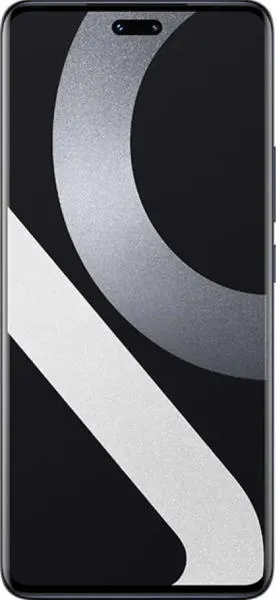
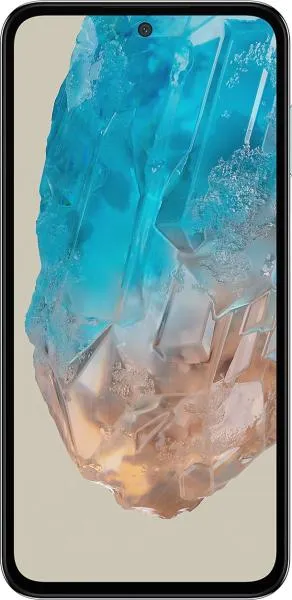
| Dimensions (mm) | 159.2 x 72.7 x 7.2 | 162.3 x 78.6 x 9.1 | The Xiaomi 13 Lite is significantly thinner and lighter, making it more pocketable and comfortable for one-handed use. |
| Weight (g) | 171 | 222 | The noticeable weight difference reinforces the Xiaomi's portability advantage. |
| Fingerprint Sensor | Under Display | Side-mounted | Preference-based, but under-display sensors are generally considered more modern and aesthetically pleasing. |
| Display | |||
| Display Type | AMOLED | Super AMOLED | Both offer vibrant colors and deep blacks. Super AMOLED sometimes boasts slightly better outdoor visibility. Missing color depth info for M35 limits a complete comparison. |
| Display Size (inches) | 6.55 | 6.6 | Negligible size difference. |
| Resolution | 1080 x 2400 | 1080 x 2340 | Virtually identical sharpness. |
| Refresh Rate (Hz) | 120 | 120 | Both offer smooth scrolling and animations. |
| HDR | Dolby Vision, HDR10+ | None specified | Xiaomi offers superior HDR support for compatible content, resulting in a more dynamic viewing experience with brighter highlights and deeper shadows. |
| Performance | |||
| Chipset | Snapdragon 7 Gen 1 (4 nm) | Exynos 1380 (5 nm) | Both are mid-range chipsets. Benchmark comparisons would be needed for definitive performance assessment. The 5nm process in the Exynos theoretically suggests better power efficiency. |
| CPU | Octa-core (1x2.4 GHz A710 & 3x2.36 GHz A710 & 4x1.8 GHz A510) | Octa-core (4x2.4 GHz A78 & 4x2.0 GHz A55) | Exynos 1380 likely offers better multi-core performance due to faster core configuration. Detailed benchmark comparisons are needed. |
| GPU | Adreno 644 | Mali-G68 MP5 | Performance differences would depend on specific tasks and game optimization. |
| RAM (GB) | 8 | 8 | Identical RAM capacity should provide similar multitasking capabilities. |
| Camera | |||
| Main Camera (MP) | 50 (Sony IMX766) | 50 (Sony LYT-600) | Both use 50MP sensors, but image quality depends on processing and other factors. Specifying the sensor models allows for deeper research into sensor characteristics. |
| Ultrawide (MP) | 8 | 8 | Similar resolution. |
| Selfie Camera (MP) | 32 + 8 (Depth) | 13 | Xiaomi offers a significantly higher resolution selfie camera and a dedicated depth sensor for better portrait mode effects. |
| Video Recording | Up to 4K@30fps, 960fps slow-mo | Up to 4K@30fps, 480fps slow-mo | Xiaomi offers higher slow-motion frame rates. Samsung features Electronic Image Stabilization (EIS) at various resolutions for smoother video footage. |
| Battery | |||
| Capacity (mAh) | 4500 | 6000 | Significantly larger battery in the Samsung should translate to much longer battery life. |
| Fast Charging | 67W | 25W | Xiaomi offers significantly faster charging. |
2. Key Differences Analysis
Xiaomi 13 Lite Advantages:
- Design: Slimmer, lighter, and more pocketable.
- Display: Superior HDR support.
- Camera: Higher resolution selfie camera with depth sensor, higher slow-motion frame rates.
- Charging: Significantly faster charging speeds.
Samsung Galaxy M35 Advantages:
- Battery: Much larger battery capacity for extended usage.
- Performance: Potentially better multi-core CPU performance thanks to the Exynos 1380 architecture. Newer Bluetooth version (5.3 vs 5.2).
3. User Profiles & Recommendations
Xiaomi 13 Lite: Users who prioritize portability, a premium design, a good selfie camera, fast charging, and watching HDR content. Suitable for:
- Social media enthusiasts
- Content consumers (video streaming)
- Users who value a lightweight and stylish phone
Samsung Galaxy M35: Users who prioritize long battery life above all else. Suitable for:
- Power users
- Travelers
- Users who dislike frequent charging
4. Decision Framework
Key Questions for Buyers:
- How important is battery life? If it's paramount, the Samsung M35 is the clear winner.
- Do you value portability and a sleek design? If so, the Xiaomi 13 Lite excels.
- What is your budget and how important is the price-to-performance ratio? Consider prices in your region for the best value.
My Choice: Xiaomi 13 Lite
While the Samsung Galaxy M35 boasts a significantly larger battery, the Xiaomi 13 Lite offers a more compelling overall package for my needs. I prioritize a slim and lightweight design, a great display with HDR support, and fast charging. The superior selfie camera and higher slow-motion capabilities are also attractive features. I am willing to compromise on some battery life for these advantages. The faster, more powerful charger is a significant benefit in my daily use. Finally, the Xiaomi 13 Lite feels like a more premium device overall due to its design and features. While battery life is important, it's not the sole deciding factor for me, and the Xiaomi offers a better balance of features that align with my usage patterns.
