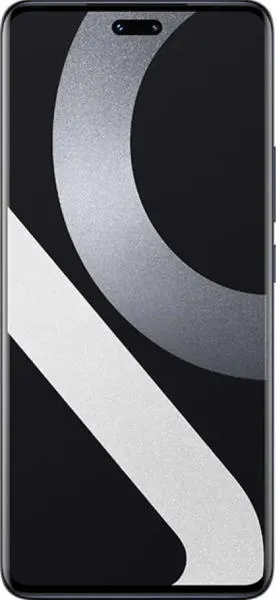
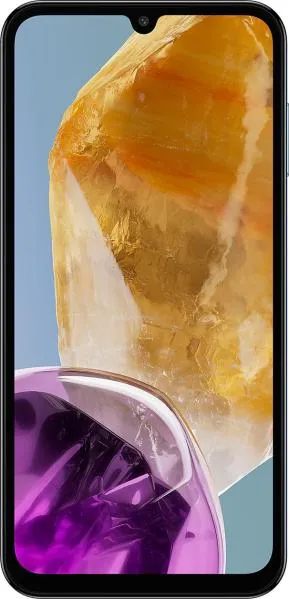
1. Specifications Comparison
| Feature | Xiaomi 13 Lite | Samsung Galaxy M15 | Practical Impact |
|---|---|---|---|
| Design | |||
| Dimensions (mm) | 159.2 x 72.7 x 7.2 | 160.1 x 76.8 x 9.3 | M15 is slightly larger and noticeably thicker. |
| Weight (g) | 171 | 217 | Xiaomi 13 Lite is significantly lighter and more comfortable for one-handed use. |
| Display | |||
| Display Type | AMOLED | Super AMOLED | Both offer vibrant colors and deep blacks. Subjective preference may apply. |
| Display Size (inches) | 6.55 | 6.5 | Negligible size difference. |
| Resolution | 1080 x 2400 | 1080 x 2340 | Virtually identical sharpness. |
| Refresh Rate (Hz) | 120 | 90 | Smoother animations and scrolling on the Xiaomi 13 Lite. |
| Peak Brightness (nits) | 1000 | 800 | Xiaomi 13 Lite will be more readable in direct sunlight. |
| HDR | Dolby Vision, HDR10+ | None specified | Xiaomi 13 Lite offers superior HDR support for compatible content. |
| Performance | |||
| Chipset | Snapdragon 7 Gen 1 (4nm) | Mediatek Dimensity 6100+ (6nm) | Snapdragon 7 Gen 1 generally offers better performance and efficiency. |
| CPU | Octa-core (1x2.4 GHz A710 & 3x2.36 GHz A710 & 4x1.8 GHz A510) | Octa-core (2x2.2 GHz A76 & 6x2.0 GHz A55) | Xiaomi 13 Lite's CPU configuration likely provides a performance advantage. |
| GPU | Adreno 644 | Mali-G57 MC2 | Adreno 644 generally offers superior graphics performance for gaming. |
| RAM (GB) | 8 | 4/6 (Variant Dependent) | More RAM in the Xiaomi 13 Lite allows for smoother multitasking. |
| Camera | |||
| Main Camera (MP) | 50 (Sony IMX766) | 50 | Xiaomi 13 Lite uses a known high-quality sensor (IMX766), potentially resulting in better image quality. Sensor details missing for M15. |
| Front Camera (MP) | 32 + 8 | 13 | Xiaomi 13 Lite boasts a higher resolution front camera and a dedicated depth sensor for better selfies. |
| Video Recording | 4K@30fps, 1080p@120fps, 720p@960fps | 1080p@30fps | Xiaomi 13 Lite offers significantly more versatile video recording capabilities with higher resolution and slow-motion options. |
| Battery | |||
| Capacity (mAh) | 4500 | 6000 | Samsung Galaxy M15 offers significantly longer battery life. |
| Fast Charging | 67W | 25W | Xiaomi 13 Lite charges much faster. |
2. Key Differences Analysis
Xiaomi 13 Lite Advantages:
- Superior Performance: Faster processor, more RAM, and a better GPU translate to smoother overall performance, better multitasking, and improved gaming capabilities.
- Brighter and Smoother Display: The 120Hz refresh rate and higher peak brightness offer a more responsive and enjoyable visual experience. Superior HDR support.
- Faster Charging: Significantly faster charging speeds minimize downtime.
- More Versatile Camera: Higher resolution front camera, 4K video recording, and high frame rate slow-motion capture provide more creative options. Known high quality main sensor.
- Lighter and Slimmer Design: More comfortable for one-handed use and pocket portability.
Samsung Galaxy M15 Advantages:
- Larger Battery Capacity: Significantly larger battery translates to potentially much longer usage time between charges. Crucial for heavy users.
3. User Profiles & Recommendations
Xiaomi 13 Lite: Users who prioritize performance, a smooth and vibrant display, fast charging, and versatile camera features. Ideal for mobile gaming, content consumption, and photography enthusiasts.
Samsung Galaxy M15: Users who prioritize long battery life above all else. Suitable for users who are away from power outlets for extended periods or heavily use their phones throughout the day.
4. Decision Framework
Key Questions for Buyers:
- How important is battery life? If all-day battery is paramount, the M15 is the clear choice.
- What is your budget? While both are mid-range, specific pricing should be compared.
- Do you prioritize performance and features or longevity? The Xiaomi 13 Lite offers a more premium overall experience but with less battery life.
My Choice: Xiaomi 13 Lite
While the Samsung Galaxy M15 offers a compelling advantage with its massive battery, the Xiaomi 13 Lite provides a more well-rounded and premium user experience. The superior performance, display, camera, and fast charging are significant factors for me. I prioritize a smooth and responsive experience, and I'm willing to charge more frequently to gain the benefits the Xiaomi 13 Lite offers. The significantly lighter weight and slimmer profile are also compelling advantages for daily use. The use of a known high-quality main camera sensor in the Xiaomi 13 Lite further solidifies my choice, as image quality is important to me. Finally, the lack of detailed camera specifications for the Samsung Galaxy M15 makes it difficult to properly assess its capabilities.
