1. Specifications Comparison
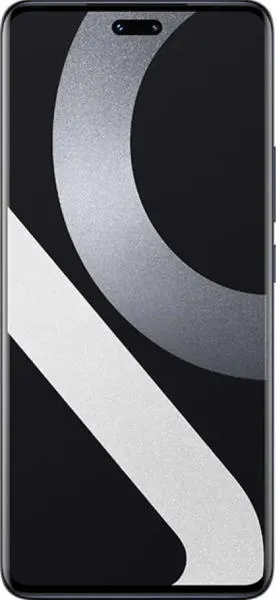
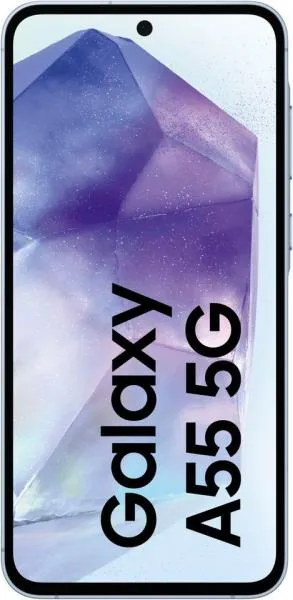
| Feature | Xiaomi 13 Lite | Samsung Galaxy A55 | Practical Impact |
|---|---|---|---|
| Design | |||
| Dimensions (mm) | 159.2 x 72.7 x 7.2 | 161.1 x 77.4 x 8.2 | A55 is slightly larger and thicker. |
| Weight (g) | 171 | 213 | Xiaomi 13 Lite is noticeably lighter, more comfortable for extended use. |
| Display | |||
| Display Type | AMOLED | Super AMOLED | Both offer vibrant colors and deep blacks. Super AMOLED might offer slightly improved outdoor visibility. |
| Display Size (inches) | 6.55 | 6.6 | Negligible difference in screen real estate. |
| Resolution (px) | 1080 x 2400 | 1080 x 2340 | Virtually identical sharpness. |
| Refresh Rate (Hz) | 120 | 120 | Both offer smooth scrolling and animations. |
| Peak Brightness (nits) | 1000 | Not specified | Xiaomi's higher peak brightness ensures better visibility in direct sunlight. |
| Performance | |||
| Chipset | Snapdragon 7 Gen 1 | Exynos 1480 | Performance differences likely noticeable in demanding tasks and gaming; benchmarks needed for definitive comparison. |
| CPU | Octa-core (1x2.4 GHz A710 & 3x2.36 GHz A710 & 4x1.8 GHz A510) | Octa-core (4x2.75 GHz A78 & 4x2.0 GHz A55) | A55's CPU configuration suggests a potential advantage in multi-core performance. |
| GPU | Adreno 644 | Xclipse 530 | Gaming performance comparison requires further benchmarking. |
| RAM (GB) | 8 | 8/12 | A55 offers a 12GB RAM option for enhanced multitasking. |
| OS | Android 12 | Android 14 | A55 ships with a newer OS version, offering potential feature and security advantages, as well as longer software support. |
| Camera | |||
| Main Camera (MP) | 50 (Sony IMX766) | 50 (Sony IMX906) | Both use reputable sensors; image quality comparison requires real-world testing. |
| Ultrawide (MP) | 8 | 13 | A55's ultrawide offers higher resolution. |
| Macro (MP) | 2 | 5 | A55's macro lens offers higher resolution. |
| Selfie (MP) | 32 | 32 | Similar resolution; sensor quality and features will determine real-world differences. |
| Video | Up to 4K@30fps, 720p@960fps | Up to 4K@30fps, 1080p@60fps with EIS | Xiaomi offers a higher slow-motion frame rate; A55 boasts Electronic Image Stabilization (EIS) for smoother videos at standard frame rates. |
| Battery | |||
| Capacity (mAh) | 4500 | 5000 | A55 has a larger battery, likely resulting in longer battery life. |
| Fast Charging (W) | 67 | 25 | Xiaomi offers significantly faster charging. |
2. Key Differences Analysis
Xiaomi 13 Lite Advantages:
- Lighter and more compact: Easier to handle and carry.
- Faster charging: Significantly reduces downtime.
- Higher slow-motion video capability: Captures more detailed slow-motion footage.
- Brighter Display: Better visibility outdoors.
Samsung Galaxy A55 Advantages:
- Larger battery: Potentially longer battery life.
- Newer Android version: Access to the latest features, security updates, and longer software support.
- Higher resolution ultrawide and macro cameras: More detailed photos in specific scenarios.
- Electronic Image Stabilization (EIS) in video recording: Smoother and more stable videos.
- More RAM Option: Better for heavy multitasking with the 12GB variant.
3. User Profiles & Recommendations
Xiaomi 13 Lite: Users who prioritize a lightweight and compact phone, value fast charging, and frequently use slow-motion video.
Samsung Galaxy A55: Users who prioritize long battery life, want the latest software features and updates, and need a versatile camera system with stabilized video recording. Users who heavily multitask will appreciate the 12GB RAM variant.
4. Decision Framework
Key Questions for Buyers:
- How important is battery life versus charging speed?
- Do you prefer a compact and lightweight phone or a larger screen?
- Which camera features are most important to you (slow-motion vs. stabilization, ultrawide and macro resolution)?
- How important are the latest software features and long-term software updates?
My Choice: Samsung Galaxy A55
While the Xiaomi 13 Lite offers a compelling package with its lightweight design and fast charging, the Samsung Galaxy A55 is the better overall choice for me. The deciding factors are:
- Software Updates: The significantly newer Android version and the promise of longer term updates on the A55 is crucial for long-term usability and security.
- Battery Life and Camera Versatility: The larger battery capacity and the inclusion of OIS for video recording are more valuable to my daily usage than extremely fast charging. The improved ultrawide and macro lens are a welcome bonus. While I acknowledge the Xiaomi's superior slow-motion capabilities, I'd utilize stabilized standard video recording more frequently.
- Performance: Although benchmarks are needed for a conclusive comparison, the A55's CPU configuration, combined with the option for 12GB of RAM, suggests a potential advantage in performance and future-proofing.
Ultimately, the A55's combination of longevity, versatile camera system, and performance potential make it the more compelling device for my needs. The slightly larger size and weight are acceptable trade-offs for these benefits.
