1. Specifications Comparison
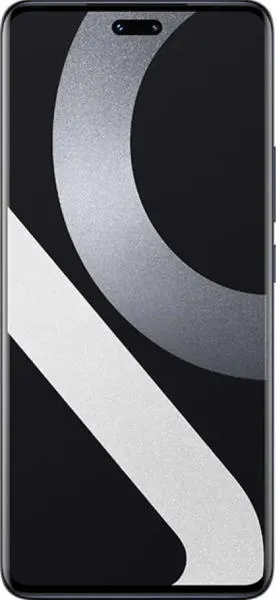
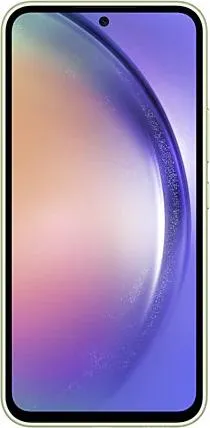
| Feature | Xiaomi 13 Lite | Samsung Galaxy A54 | Practical Impact |
|---|---|---|---|
| Design | |||
| Dimensions (mm) | 159.2 x 72.7 x 7.2 | 158.2 x 76.7 x 8.2 | Xiaomi is slightly taller and narrower, Samsung is thicker. Xiaomi might feel more comfortable in hand for some due to smaller width. |
| Weight (g) | 171 | 202 | Xiaomi is noticeably lighter, reducing hand fatigue during extended use. |
| Display | |||
| Display Type | AMOLED | Super AMOLED | Both offer vibrant colors and deep blacks. Subjective differences in color tuning might exist. |
| Size (inches) | 6.55 | 6.4 | Negligible size difference in real-world usage. |
| Resolution | 1080 x 2400 | 1080 x 2340 | Virtually identical sharpness. |
| Refresh Rate (Hz) | 120 | 120 | Both offer smooth scrolling and animations. |
| Peak Brightness (nits) | 1000 | 1000 (HBM) | Excellent outdoor visibility on both. |
| Performance | |||
| Chipset | Snapdragon 7 Gen 1 | Exynos 1380 | Both are mid-range chipsets. Snapdragon 7 Gen 1 generally benchmarks slightly higher in raw performance, potentially leading to faster app loading and smoother multitasking. |
| CPU | Octa-core (1x2.4 GHz A710 & 3x2.36 GHz A710 & 4x1.8 GHz A510) | Octa-core (4x2.4 GHz A78 & 4x2.0 GHz A55) | Specific core configurations suggest potential differences in sustained performance. More detailed benchmarks are needed for a conclusive comparison. |
| GPU | Adreno 644 | Mali-G68 MP5 | Adreno 644 generally offers better gaming performance compared to the Mali-G68 MP5. |
| RAM (GB) | 8 | 8 | Sufficient RAM for smooth multitasking on both devices. |
| Camera | |||
| Main Camera (MP) | 50 (Sony IMX766) | 50 (Sony IMX766) | Both use the same sensor, suggesting comparable image quality. Tuning and image processing will play a crucial role in differentiating them. |
| Ultrawide (MP) | 8 | 13 | Samsung offers a higher resolution ultrawide, capturing more detail in wider shots. |
| Macro (MP) | 2 | 5 | Samsung's higher resolution macro lens might offer slightly better close-up shots. |
| Selfie (MP) | 32 | 32 | Similar resolution, but different sensors. Image quality will depend on sensor performance and software processing. |
| Video | 4K@30fps, 720p@960fps | 4K@30fps, 720p@480fps | Xiaomi offers a higher slow-motion frame rate. Samsung features Electronic Image Stabilization (EIS) across all video resolutions for smoother footage. |
| Battery | |||
| Capacity (mAh) | 4500 | 5000 | Samsung offers a larger battery, potentially translating to longer battery life. |
| Charging (W) | 67 | 25 | Xiaomi supports significantly faster charging, minimizing downtime. |
| OS | Android 12 | Android 13 | Samsung comes with a newer Android version and longer OS support (up to Android 17). This ensures access to latest features and security updates for a longer period. |
2. Key Differences Analysis
Xiaomi 13 Lite Advantages:
- Lighter and potentially more ergonomic: Noticeably lighter and slightly narrower.
- Faster Charging: Significantly faster charging speeds.
- Higher Slow-Motion Video Capture: 960fps vs 480fps.
- Slightly better GPU: Potentially better for gaming.
Samsung Galaxy A54 Advantages:
- Larger Battery: Potentially longer battery life.
- Higher Resolution Ultrawide Camera: Wider shots with more detail.
- Newer Android Version with Longer Support: Android 13 with guaranteed updates up to Android 17.
- Optical Image Stabilization (OIS): Stabilized video recording for smoother footage.
Trade-offs:
- Xiaomi sacrifices battery life for faster charging and a lighter design.
- Samsung sacrifices charging speed for a larger battery and OIS for video.
3. User Profiles & Recommendations
Xiaomi 13 Lite: Users who prioritize a lightweight phone, fast charging, and good gaming performance. Suitable for:
- Casual gamers: Adreno 644 provides a good gaming experience.
- Users who value a lightweight and comfortable phone: Significant weight difference impacts daily use.
- Users who need quick top-ups: 67W fast charging minimizes downtime.
Samsung Galaxy A54: Users who prioritize battery life, software updates, and stable video recording. Suitable for:
- Users who need all-day battery life: Larger battery capacity ensures extended usage.
- Users who value software updates and longevity: Longer software support and newer Android version out of the box.
- Content creators who need stable video footage: OIS significantly improves video quality.
4. Decision Framework
Key Questions for Buyers:
- How important is battery life versus charging speed?
- Do you prioritize software updates and longevity?
- Are you a heavy gamer or need stable video recording?
Scenario-Based Recommendations:
- Heavy User: Samsung Galaxy A54 for its larger battery.
- Gamer: Xiaomi 13 Lite for its potentially superior GPU.
- Frequent Traveler: Xiaomi 13 Lite for its faster charging.
- Budget Conscious User: Consider price differences between storage variants of both phones.
My Choice: Samsung Galaxy A54
While the Xiaomi 13 Lite offers compelling features like faster charging and potentially better gaming performance, the Samsung Galaxy A54's longer software support, larger battery, optical image stabilization for video, and higher resolution ultrawide camera make it a more well-rounded device for my needs. I prioritize long-term usability and consistent image/video quality, and the A54 delivers in those areas. The trade-off in charging speed is acceptable considering the significant gain in battery life. While the performance difference between the chipsets might exist, it's likely not substantial enough to impact my daily usage significantly. The significantly longer software support of the A54 ensures I will receive security and feature updates for a longer period, which is crucial for long-term device satisfaction and security.
