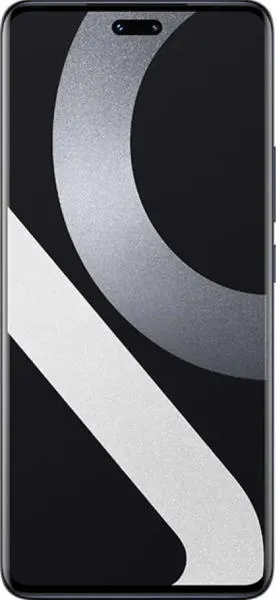
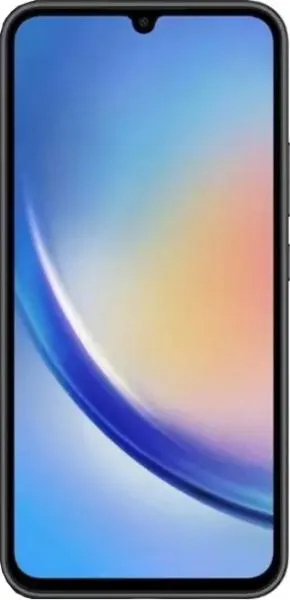
1. Specifications Comparison
| Feature | Xiaomi 13 Lite | Samsung Galaxy A34 | Practical Impact |
|---|---|---|---|
| Design | |||
| Dimensions (mm) | 159.2 x 72.7 x 7.2 | 161.3 x 78.1 x 8.2 | Xiaomi 13 Lite is noticeably smaller and thinner, making it more pocketable and easier to handle. |
| Weight (g) | 171 | 199 | Xiaomi 13 Lite is significantly lighter, reducing hand fatigue during extended use. |
| Display | |||
| Display Type | AMOLED | Super AMOLED | Both offer vibrant colors and deep blacks. Subjective preference will determine which display is better. Missing color depth info for A34 limits comparison. |
| Display Size (inches) | 6.55 | 6.6 | Negligible size difference. |
| Resolution | 1080 x 2400 | 1080 x 2340 | Virtually identical sharpness. |
| Refresh Rate (Hz) | 120 | 120 | Both offer smooth scrolling and animations. |
| Peak Brightness (nits) | 1000 | 1000 (HBM) | Comparable peak brightness for good outdoor visibility. Unclear if A34's 1000 nits is typical or only in High Brightness Mode. |
| HDR | Dolby Vision, HDR10+ | Unspecified | Xiaomi 13 Lite supports wider HDR formats for potentially better video playback quality. Missing HDR details for A34 prevent definitive conclusion. |
| Performance | |||
| Chipset | Snapdragon 7 Gen 1 (4 nm) | Mediatek Dimensity 1080 (6 nm) | Snapdragon 7 Gen 1 generally offers better performance and efficiency due to its 4nm process. |
| CPU | Octa-core (1x2.4 GHz A710 & 3x2.36 GHz A710 & 4x1.8 GHz A510) | Octa-core (2x2.6 GHz A78 & 6x2.0 GHz A55) | While A34 has slightly faster prime cores, Snapdragon's overall architecture and newer cores likely result in superior real-world performance. |
| GPU | Adreno 644 | Mali-G68 MC4 | Adreno 644 generally provides better gaming performance. |
| RAM (GB) | 8 | 6/8 (Variant dependent) | 8GB RAM on Xiaomi 13 Lite ensures smoother multitasking. A34 offers 6GB or 8GB options, impacting performance depending on the purchased model. |
| Camera | |||
| Main Camera (MP) | 50 (Sony IMX766) | 48 (Sony IMX582) | Both sensors are capable, but IMX766 on Xiaomi 13 Lite is generally considered superior due to larger sensor size and pixel size. |
| Optical Image Stabilization | No | Yes | Samsung Galaxy A34 benefits from OIS for steadier videos and photos, especially in low light. |
| Video Recording | 4K@30fps, 960fps slow-mo | 4K@30fps, 480fps slow-mo | Xiaomi offers higher slow-motion frame rates. |
| Battery | |||
| Capacity (mAh) | 4500 | 5000 | Samsung Galaxy A34 offers a larger battery for potentially longer battery life. |
| Fast Charging (W) | 67 | 25 | Xiaomi 13 Lite charges significantly faster. |
2. Key Differences Analysis
Xiaomi 13 Lite Advantages:
- Superior Performance: The Snapdragon 7 Gen 1 and 8GB RAM provide a smoother and faster overall experience.
- Faster Charging: 67W fast charging significantly reduces downtime.
- More Compact and Lightweight: Easier to handle and carry.
- Potentially Better Main Camera Image Quality: The IMX766 sensor generally produces better results, particularly in low light. Lack of OIS may hinder this advantage somewhat.
Samsung Galaxy A34 Advantages:
- Larger Battery: Potentially longer battery life.
- Optical Image Stabilization: Results in steadier videos and potentially better low-light photos.
- Longer Software Support: Samsung typically provides more OS updates.
3. User Profiles & Recommendations
Xiaomi 13 Lite: Users who prioritize performance, faster charging, a compact design, and a good camera experience. Ideal for gaming, multitasking, and content consumption.
Samsung Galaxy A34: Users who value long battery life, stable video recording, and extended software updates. Suitable for users with less demanding performance needs who prioritize stability and longevity.
4. Decision Framework
Key Questions:
- Is top-tier performance a priority? If yes, the Xiaomi 13 Lite is the better choice.
- How important is battery life and charging speed? A34 has larger battery, but Xiaomi charges much faster. Consider your usage patterns.
- How much do you value software updates and camera stability? Samsung typically provides longer support and the A34 has OIS.
My Choice: Xiaomi 13 Lite
While the Samsung Galaxy A34 offers a larger battery and OIS, the Xiaomi 13 Lite's superior performance, significantly faster charging, and more compact design are more compelling to me. The slightly better main camera sensor on the Xiaomi, despite lacking OIS, further reinforces my choice. I prioritize a smooth and responsive user experience, and the Xiaomi 13 Lite's powerful hardware delivers that. The faster charging significantly reduces downtime, a crucial factor in my daily usage. While longer software updates are valuable, they are less of a priority for me compared to day-to-day performance and usability. The A34's advantages are not insignificant, but the Xiaomi 13 Lite better fits my personal needs and preferences.
