1. Specifications Comparison
| Feature | Xiaomi 13 Lite | Samsung Galaxy A25 | Practical Impact |
|---|---|---|---|
| Design | |||
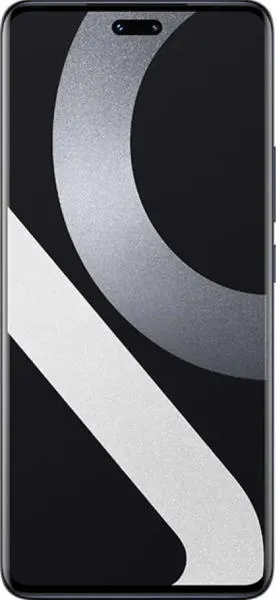
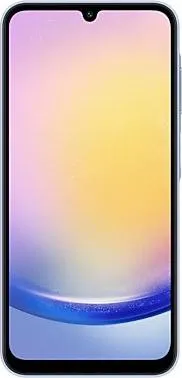
| Dimensions (mm) | 159.2 x 72.7 x 7.2 | 161 x 76.5 x 8.3 | Xiaomi 13 Lite is noticeably thinner and slightly smaller overall, making it more pocketable and comfortable for one-handed use. |
| Weight (g) | 171 | 197 | The Xiaomi 13 Lite is significantly lighter, reducing hand fatigue during extended use. |
| Fingerprint Sensor | Under Display | Side-mounted | Preference-based, but under-display sensors are often perceived as more modern. Side-mounted sensors can be easier to reach for some users. |
| Display | |||
| Display Type | AMOLED | Super AMOLED | Both offer vibrant colors and deep blacks. The "Super" designation for the A25 doesn't guarantee a noticeably superior visual experience in real-world usage. |
| Display Size (inches) | 6.55 | 6.5 | Negligible difference in screen real estate. |
| Resolution | 1080 x 2400 | 1080 x 2340 | Virtually identical pixel density, resulting in similar sharpness. |
| Refresh Rate (Hz) | 120 | 120 | Both offer smooth scrolling and animations. |
| HDR | Dolby Vision, HDR10+ | (Missing HDR specification detail. Assuming HDR10 based on AMOLED panel) | Xiaomi offers wider HDR support for compatible content, resulting in potentially better dynamic range and color accuracy in videos. |
| Performance | |||
| Chipset | Snapdragon 7 Gen 1 | Exynos 1280 | Snapdragon 7 Gen 1 generally offers better performance, particularly in graphics-intensive tasks like gaming. |
| CPU | Octa-core (1x2.4 GHz A710 & 3x2.36 GHz A710 & 4x1.8 GHz A510) | Octa-core (2x2.4 GHz A78 & 6x2.0 GHz A55) | While both are Octa-core, the architecture differs. Snapdragon's use of newer A710 cores might provide a slight edge in sustained performance. |
| GPU | Adreno 644 | Mali-G68 | Adreno 644 generally offers superior graphics performance compared to the Mali-G68, leading to smoother gaming and faster rendering. |
| RAM (GB) | 8 | 6/8 (Variant dependent - assuming 8GB based on pricing comparison) | More RAM allows for smoother multitasking and better performance with multiple apps open. |
| OS Version | Android 12 (upgradable) | Android 14 (with longer update commitment to 18) | A25 ships with a newer Android version and has a longer commitment to future updates, ensuring security and new features for a longer period. |
| Camera | |||
| Rear Camera (MP) | 50 MP (Sony IMX766) | 50 MP | Xiaomi uses a known high-quality sensor (IMX766), potentially offering better image quality. Detailed sensor information is missing for the A25, limiting a comprehensive comparison. |
| Front Camera (MP) | 32 MP + 8 MP | 13 MP | Xiaomi boasts a higher resolution front camera setup, likely resulting in more detailed selfies. The dual front camera setup on the Xiaomi suggests potential depth sensing capabilities for portrait mode. |
| Video Recording | Up to 4K@30fps, 720p@960fps | Up to 4K@30fps, 1080p@30fps | Both offer 4K recording. Xiaomi offers significantly higher frame rate slow-motion video (960fps vs. likely 480fps based on "Slow Motion Video: Yes" for the A25) |
| Battery | |||
| Capacity (mAh) | 4500 | 5000 | Larger battery in the A25 likely translates to longer battery life. |
| Fast Charging (W) | 67W | 25W | Xiaomi charges significantly faster, minimizing downtime. |
2. Key Differences Analysis
Xiaomi 13 Lite Advantages:
- Superior Performance: The Snapdragon 7 Gen 1 and Adreno 644 provide a significant performance advantage, especially for gaming and demanding applications.
- Faster Charging: 67W fast charging significantly reduces charging time compared to the A25's 25W.
- Potentially Better Camera: The use of the Sony IMX766 sensor and higher resolution front camera suggest a potential advantage in image quality, though lacking complete specs for the A25 limits a definitive conclusion.
- Sleeker Design: Lighter and thinner, making it more pocketable and comfortable for one-handed use.
- Wider HDR Support: More comprehensive HDR support for enhanced video playback.
Samsung Galaxy A25 Advantages:
- Longer Battery Life: The 5000mAh battery should provide longer usage time between charges.
- Newer Software with Longer Update Support: Ships with Android 14 and guaranteed updates to Android 18, ensuring software freshness and security for a longer period.
- Potentially Lower Price: Pricing data suggests the A25 might be more affordable.
Trade-offs:
- Performance vs. Battery Life: The Xiaomi 13 Lite prioritizes performance but might have slightly shorter battery life. The A25 focuses on battery endurance but compromises on processing power.
3. User Profiles & Recommendations
Xiaomi 13 Lite: Ideal for users who prioritize performance, faster charging, a sleek design, and value high-quality cameras for photos and videos, especially slow-motion capture. Suitable for gamers, power users, and content creators.
Samsung Galaxy A25: Best suited for users who prioritize long battery life and software updates. A good choice for casual users, those who primarily use their phones for communication and basic tasks, and individuals who value software longevity.
4. Decision Framework
Key Questions for Buyers:
- What is your budget? The price difference between these phones could be a deciding factor.
- What are your primary phone usage patterns? (Gaming, photography, social media, general use)
- How important is software update longevity?
Scenario-Based Recommendations:
- Heavy gamer on a budget: Lean towards the Xiaomi if within budget, prioritizing its superior performance; otherwise, consider other more budget-friendly gaming phones.
- Casual user needing all-day battery: The Samsung Galaxy A25 is a strong contender.
- Photography enthusiast: The Xiaomi 13 Lite, given its known high-quality sensor and camera features, is likely the better option.
My Choice: Xiaomi 13 Lite
While the Samsung Galaxy A25 offers impressive battery life and longer software support, the Xiaomi 13 Lite's superior performance, significantly faster charging, higher resolution front camera, and the known quality of the Sony IMX766 rear camera sensor make it the more compelling device for my needs. I prioritize a smooth and responsive user experience, and the Snapdragon 7 Gen 1, coupled with 8GB of RAM, delivers that. The faster charging is a major convenience in my fast-paced life. Although the A25 boasts a larger battery, I find the significantly faster charging of the Xiaomi 13 Lite to be a more practical advantage. The longer software support of the A25 is tempting, but I value the performance and camera advantages of the Xiaomi more.
