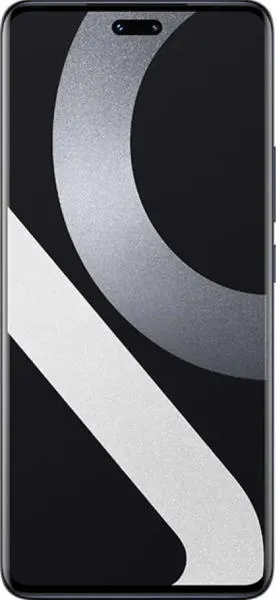
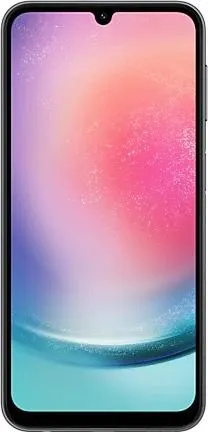
1. Specifications Comparison
| Feature | Xiaomi 13 Lite | Samsung Galaxy A24 4G | Practical Impact |
|---|---|---|---|
| Design | |||
| Dimensions (mm) | 159.2 x 72.7 x 7.2 | 162.1 x 77.6 x 8.3 | The Xiaomi 13 Lite is noticeably smaller and thinner, making it more pocketable and easier to handle. |
| Weight (g) | 171 | 195 | The Xiaomi 13 Lite is significantly lighter, reducing hand fatigue during extended use. |
| Display | |||
| Display Type | AMOLED | Super AMOLED | Both offer vibrant colors and deep blacks, but Super AMOLED often boasts slightly better outdoor visibility. |
| Display Size (inches) | 6.55 | 6.5 | Negligible difference in screen real estate. |
| Resolution | 1080 x 2400 | 1080 x 2340 | Virtually identical sharpness. |
| Refresh Rate (Hz) | 120 | 90 | The Xiaomi 13 Lite's 120Hz refresh rate provides smoother scrolling and animations, enhancing the overall user experience. |
| HDR | Dolby Vision, HDR10+ | (Missing HDR Specifics) | The Xiaomi 13 Lite supports wider HDR standards, offering a potentially better viewing experience for compatible content. However, without specifics on the A24's HDR capabilities, a definitive comparison cannot be made. |
| Performance | |||
| Chipset | Snapdragon 7 Gen 1 (4 nm) | Mediatek Helio G99 (6 nm) | The Snapdragon 7 Gen 1 generally offers better performance and efficiency, resulting in faster app loading, smoother multitasking, and potentially better battery life compared to the Helio G99. |
| CPU | Octa-core (1x2.4 GHz A710 & 3x2.36 GHz A710 & 4x1.8 GHz A510) | Octa-core (2x2.2 GHz A76 & 6x2.0 GHz A55) | The Snapdragon 7 Gen 1's architecture, despite having a lower peak clock speed on some cores, provides superior overall performance due to its newer core design and higher efficiency. |
| RAM (GB) | 8 | 6 | More RAM in the Xiaomi allows for more apps to be held in memory, reducing reloading and improving multitasking performance. |
| Camera | |||
| Main Camera (MP) | 50 (Sony IMX766) | 50 | Both have 50MP main sensors. The Xiaomi utilizes the renowned Sony IMX766, known for good low-light performance. The sensor on the A24 isn't specified, limiting direct comparison. |
| Video Recording | Up to 4K@30fps, 720p@960fps | 1080p@30fps | The Xiaomi 13 Lite offers superior video recording capabilities with higher resolution and frame rate options, including slow-motion at 960fps. |
| Optical Image Stabilization | No | Yes | The Samsung Galaxy A24 having OIS provides significantly more stable video footage and can improve low-light photography. |
| Battery | |||
| Capacity (mAh) | 4500 | 5000 | The Samsung Galaxy A24 4G has a larger battery capacity, potentially offering longer usage time. |
| Fast Charging | 67W | 25W | The Xiaomi 13 Lite charges significantly faster, minimizing downtime. |
2. Key Differences Analysis
Xiaomi 13 Lite Advantages:
- Superior Performance: The Snapdragon 7 Gen 1 provides a noticeable performance advantage for demanding tasks and gaming.
- Smoother Display: The 120Hz refresh rate offers a more fluid and responsive user experience.
- Faster Charging: 67W fast charging significantly reduces charging time.
- More Compact Design: Smaller and lighter build enhances portability and one-handed use.
- Better Video Recording: Higher resolution and frame rate options, including slow-motion.
Samsung Galaxy A24 4G Advantages:
- Larger Battery: 5000mAh battery potentially lasts longer on a single charge.
- Optical Image Stabilization: Provides smoother videos and improved low-light photos.
- Lower Price: Generally more affordable than the Xiaomi 13 Lite.
- Longer Software Support: Samsung typically provides more years of OS updates.
3. User Profiles & Recommendations
Xiaomi 13 Lite: Ideal for users who prioritize performance, a smooth display, fast charging, and a compact design. Suitable for gaming, multitasking, and content consumption.
Samsung Galaxy A24 4G: Best for users who value battery life, stable video recording, and affordability above all else. Suitable for casual users, social media browsing, and light gaming.
4. Decision Framework
Key Questions for Buyers:
- What is your budget? The A24 4G is generally more affordable.
- What are your performance needs? The Xiaomi 13 Lite excels in demanding tasks.
- How important is battery life versus charging speed? The A24 has a larger battery, but the Xiaomi charges much faster.
Scenario-Based Recommendations:
- Heavy User: Xiaomi 13 Lite for its performance and fast charging.
- Budget-Conscious User: Samsung Galaxy A24 4G for its affordability and long battery life.
- Casual User: Either phone would suffice, but the A24 4G offers better value due to its lower price.
My Choice: Xiaomi 13 Lite
While the Samsung Galaxy A24 4G offers a larger battery and OIS, the Xiaomi 13 Lite's superior performance, smoother 120Hz display, significantly faster charging, and more compact design are more compelling to me. The Snapdragon 7 Gen 1 provides a noticeable real-world difference in daily use, making the phone feel snappier and more responsive. The 67W fast charging is a huge convenience, minimizing downtime. While I acknowledge the value of OIS, the overall package offered by the Xiaomi 13 Lite better aligns with my priorities for a smooth, efficient, and enjoyable smartphone experience. The slightly higher price is justified by these significant advantages.
