1. Specifications Comparison
| Feature | Xiaomi 13 Lite | Samsung Galaxy A15 5G | Practical Impact |
|---|---|---|---|
| Design | |||
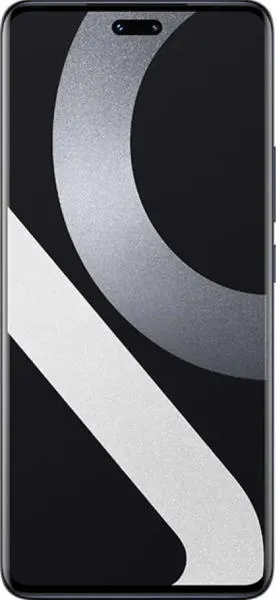
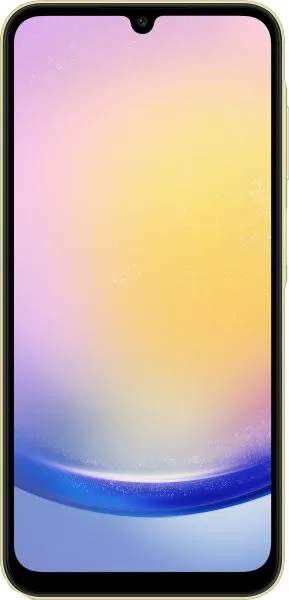
| Dimensions (mm) | 159.2 x 72.7 x 7.2 | 160.1 x 76.8 x 8.4 | Xiaomi 13 Lite is noticeably thinner and lighter, making it more pocketable and comfortable for one-handed use. |
| Weight (g) | 171 | 200 | Xiaomi 13 Lite is significantly lighter, reducing hand fatigue during extended use. |
| Display | |||
| Display Type | AMOLED | Super AMOLED | Both offer vibrant colors and deep blacks. Subjective preference may determine which looks better. |
| Display Size (inches) | 6.55 | 6.5 | Negligible difference in screen real estate. |
| Resolution | 1080 x 2400 | 1080 x 2340 | Virtually identical sharpness. |
| Refresh Rate (Hz) | 120 | 90 | Xiaomi 13 Lite offers smoother scrolling and animations, enhancing the user experience, especially in gaming. |
| Peak Brightness (nits) | 1000 | 800 | Xiaomi 13 Lite will be more visible in direct sunlight. |
| HDR Support | Dolby Vision, HDR10+ | None specified | Xiaomi 13 Lite provides a significantly better HDR experience for compatible content with richer colors and improved contrast. |
| Performance | |||
| Chipset | Snapdragon 7 Gen 1 (4 nm) | Dimensity 6100+ (6 nm) | Snapdragon 7 Gen 1 generally offers better performance in benchmarks, translating to smoother multitasking and potentially better gaming performance. |
| CPU | Octa-core (1x2.4 GHz A710 & 3x2.36 GHz A710 & 4x1.8 GHz A510) | Octa-core (2x2.2 GHz A76 & 6x2.0 GHz A55) | While both are octa-core, the architectural differences favor the Snapdragon 7 Gen 1 for demanding tasks. |
| GPU | Adreno 644 | Mali-G57 MC2 | Adreno 644 generally provides a superior gaming experience. |
| RAM (GB) | 8 | 4/6/8 (Variant Dependent) | More RAM enables smoother multitasking. The comparison is variant-specific. |
| OS | Android 12 | Android 14 | Samsung A15 5G ships with a newer Android version out of the box, offering potential feature and security advantages. However, Xiaomi may offer updates in the future. |
| Camera | |||
| Main Camera (MP) | 50 (Sony IMX766) | 50 | Xiaomi utilizes a known high-quality sensor (IMX766), suggesting potentially better image quality. However, real-world performance depends on image processing. |
| Selfie Camera (MP) | 32 + 8 (Depth) | 13 | Xiaomi offers a higher resolution selfie camera and a dedicated depth sensor for better portrait mode effects. |
| Video Recording | Up to 4K@30fps, 720p@960fps | 1080p@30fps | Xiaomi offers higher resolution video recording and significantly higher frame rate slow-motion capabilities. |
| Battery | |||
| Capacity (mAh) | 4500 | 5000 | Samsung Galaxy A15 5G has a larger battery, likely resulting in longer battery life. |
| Fast Charging (W) | 67 | 25 | Xiaomi 13 Lite charges significantly faster. |
2. Key Differences Analysis
Xiaomi 13 Lite Advantages:
- Superior Display: Higher refresh rate, brighter screen, HDR support.
- Better Performance: More powerful chipset and GPU.
- Faster Charging: Significantly faster charging speeds.
- More Versatile Camera System: Higher resolution sensors, better slow-motion capabilities.
- Sleeker Design: Thinner and lighter build.
Samsung Galaxy A15 5G Advantages:
- Larger Battery: Potentially longer battery life.
- Newer Android Version: Ships with a more recent OS version out of the box.
- Lower Price: Generally more affordable, especially considering storage variants.
Trade-offs:
- Xiaomi prioritizes performance, display quality, and faster charging but compromises on battery capacity.
- Samsung prioritizes battery life and affordability but compromises on performance and display features.
3. User Profiles & Recommendations
Xiaomi 13 Lite: Users who prioritize performance, a smooth and vibrant display, fast charging, and a capable camera. Ideal for:
- Mobile Gamers: High refresh rate and powerful GPU enhance gaming experience.
- Content Consumers: HDR support and vibrant display improve video and photo viewing.
- Power Users: Strong performance handles multitasking and demanding apps effectively.
Samsung Galaxy A15 5G: Users who prioritize battery life and affordability. Ideal for:
- Light Users: Primarily use their phone for basic tasks like calling, texting, and browsing.
- Budget-Conscious Buyers: Seek a functional smartphone without breaking the bank.
- Users needing long battery life: Those who require their phone to last all day on a single charge.
4. Decision Framework
Key Questions:
- What is your budget? The Samsung Galaxy A15 5G generally offers a lower price point.
- What are your primary phone usage patterns? Gamers and power users will appreciate the Xiaomi 13 Lite's performance. Light users might find the Samsung Galaxy A15 5G sufficient.
- Which features are most important to you? Prioritize features like display quality, performance, battery life, and camera capabilities based on your needs.
My Choice: Xiaomi 13 Lite
While the Samsung Galaxy A15 5G offers commendable battery life and a lower price, the Xiaomi 13 Lite provides a significantly better overall user experience. The smoother 120Hz display, brighter screen, HDR support, more powerful processor, faster charging, and superior camera capabilities outweigh the larger battery of the A15 5G for me. I value a responsive and enjoyable user experience, and the Xiaomi 13 Lite delivers that in spades. The price difference is justifiable for the substantial upgrade in features and quality.
