1. Specifications Comparison
| Feature | Xiaomi 13 Lite | Samsung Galaxy A15 | Practical Impact |
|---|---|---|---|
| Design | |||
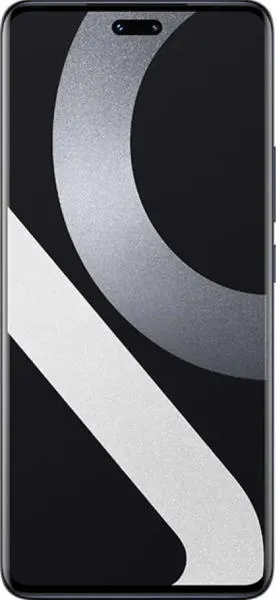
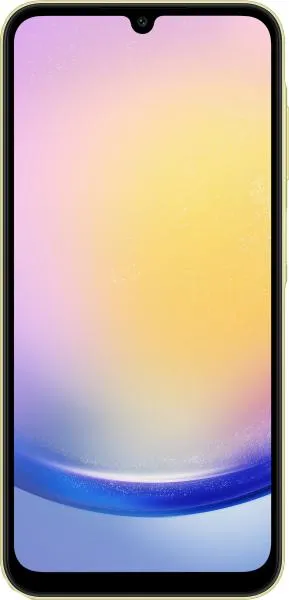
| Dimensions (mm) | 159.2 x 72.7 x 7.2 | 160.1 x 76.8 x 8.4 | Xiaomi 13 Lite is noticeably thinner and slightly smaller overall, making it more pocketable and comfortable for one-handed use. |
| Weight (g) | 171 | 200 | The Xiaomi 13 Lite is significantly lighter, reducing hand fatigue during extended use. |
| Display | |||
| Display Type | AMOLED | Super AMOLED | Both offer vibrant colors and deep blacks. While both are AMOLED, "Super AMOLED" in Samsung often implies certain enhancements, however, without further details, we cannot determine the specific differences in display quality. |
| Display Size (inches) | 6.55 | 6.5 | Negligible difference in screen real estate. |
| Resolution | 1080 x 2400 | 1080 x 2340 | Virtually identical sharpness. |
| Refresh Rate (Hz) | 120 | 90 | Xiaomi 13 Lite offers smoother scrolling and animations, leading to a more fluid user experience, especially noticeable in gaming and fast-paced content consumption. |
| Peak Brightness (nits) | 1000 | 800 | The Xiaomi 13 Lite's higher peak brightness ensures better visibility in direct sunlight. |
| HDR | Dolby Vision, HDR10+ | Unspecified - Cannot assume it lacks HDR capabilities. | Xiaomi 13 Lite supports wider HDR standards, potentially providing a better viewing experience for compatible content. |
| Performance | |||
| Chipset | Snapdragon 7 Gen 1 (4nm) | Mediatek Helio G99 (6nm) | The Snapdragon 7 Gen 1 generally offers better performance and efficiency than the Helio G99. This translates to faster app loading, smoother multitasking, and potentially better gaming performance. |
| CPU | Octa-core (1x2.4 GHz A710 & 3x2.36 GHz A710 & 4x1.8 GHz A510) | Octa-core (2x2.2 GHz A76 & 6x2.0 GHz A55) | The Xiaomi 13 Lite's CPU architecture, combined with higher clock speeds, should result in superior processing power. |
| GPU | Adreno 644 | Mali-G57 MC2 | Adreno 644 generally offers better graphics performance than the Mali-G57 MC2, leading to a smoother gaming experience and better handling of graphically demanding tasks. |
| RAM (GB) | 8 | 4/6/8 (Variant dependent) | More RAM in the compared Xiaomi version allows for smoother multitasking and less frequent app closures in the background. |
| Camera | |||
| Main Camera (MP) | 50 (Sony IMX766) | 50 | Both have the same resolution, but the Xiaomi 13 Lite utilizes the Sony IMX766 sensor, known for its good performance. This suggests potentially better image quality in various conditions on the Xiaomi. |
| Video Recording | Up to 4K@30fps, 720p@960fps | Up to 1080p@30fps | Xiaomi 13 Lite offers higher resolution video recording and significantly better slow-motion capabilities. |
| Front Camera (MP) | 32 + 8 (Depth) | 13 | The Xiaomi 13 Lite boasts a higher resolution front camera and a dedicated depth sensor for better portrait mode effects. |
| Battery | |||
| Capacity (mAh) | 4500 | 5000 | Samsung Galaxy A15 has a larger battery capacity, potentially offering longer battery life. |
| Fast Charging (W) | 67 | 25 | Xiaomi 13 Lite charges significantly faster, minimizing downtime. |
2. Key Differences Analysis
Xiaomi 13 Lite Advantages:
- Superior Performance: The Snapdragon 7 Gen 1, coupled with 8GB RAM, offers significantly better performance for demanding tasks and gaming.
- Smoother Display: The 120Hz refresh rate delivers a more fluid and responsive user experience.
- Faster Charging: 67W fast charging drastically reduces charging times.
- Better Camera System: The Sony IMX766 sensor and higher resolution front camera, along with better slow-motion video, provide a significant advantage.
- More Compact and Lightweight Design: Easier to handle and carry.
Samsung Galaxy A15 Advantages:
- Larger Battery: Potentially longer battery life, although real-world usage may vary due to other factors like the processor's efficiency.
- Lower Price: Offers a more budget-friendly option (depending on RAM/Storage variant).
Trade-offs:
- Xiaomi 13 Lite: Smaller battery capacity for its performance level.
- Samsung Galaxy A15: Lower performance, slower display, slower charging, and potentially less capable camera system.
3. User Profiles & Recommendations
Xiaomi 13 Lite: Suited for users who prioritize performance, a smooth display, fast charging, and a good camera. Ideal for gaming, content consumption, and multitasking.
Samsung Galaxy A15: Best for users on a tight budget who primarily use their phone for basic tasks like calling, texting, browsing, and social media. Battery life is a priority.
4. Decision Framework
Key Questions for Buyers:
- What is your budget? The Samsung Galaxy A15 is generally more affordable.
- What are your primary phone usage patterns? Heavy users will appreciate the Xiaomi 13 Lite's performance, while light users might find the Galaxy A15 sufficient.
- Which features are most important to you? Prioritize performance, display, and camera? Choose the Xiaomi. Prioritize battery life and affordability? Consider the Galaxy A15.
My Choice: Xiaomi 13 Lite
Reasoning: While the Samsung Galaxy A15 offers a larger battery and lower price, the Xiaomi 13 Lite's significant advantages in performance, display, camera, and charging outweigh these benefits for me. I value a smooth and responsive user experience, and I frequently use my phone for tasks that demand good performance. The faster charging is also a major plus for minimizing downtime. While the smaller battery is a slight concern, the more efficient processor of the Xiaomi might mitigate this difference in real-world usage. The price difference is justifiable for the substantial upgrade in overall quality and user experience.
