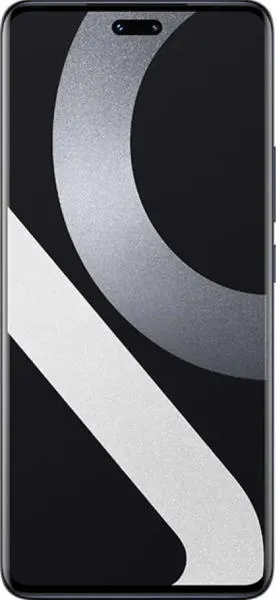
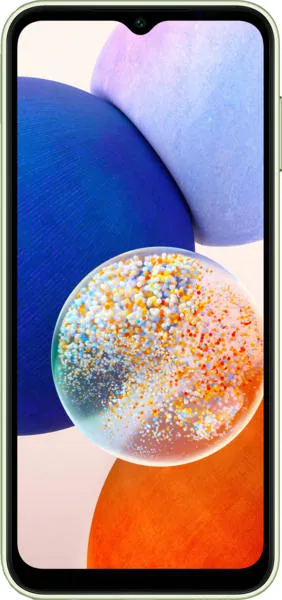
1. Specifications Comparison
| Feature | Xiaomi 13 Lite | Samsung Galaxy A14 | Practical Impact |
|---|---|---|---|
| Design | |||
| Dimensions (mm) | 159.2 x 72.7 x 7.2 | 167.7 x 78 x 9.1 | Xiaomi 13 Lite is significantly more compact and thinner. Easier to hold and pocket. |
| Weight (g) | 171 | 201 | Xiaomi 13 Lite is noticeably lighter, reducing hand fatigue. |
| Build Material | Not specified | Not specified | Cannot compare build quality and durability without material information. |
| Display | |||
| Display Type | AMOLED | PLS LCD | Xiaomi 13 Lite offers deeper blacks, more vibrant colors, and better power efficiency due to AMOLED technology. |
| Display Size (inches) | 6.55 | 6.6 | Negligible size difference in practical use. |
| Resolution (px) | 1080 x 2400 | 1080 x 2408 | Virtually identical resolution; sharpness will be similar on both. |
| Refresh Rate (Hz) | 120 | Not specified | Higher refresh rate on Xiaomi 13 Lite results in smoother scrolling and animations. Missing refresh rate data for Samsung limits comparison. |
| HDR | Dolby Vision, HDR10+ | None specified | Xiaomi 13 Lite supports HDR for enhanced video content with wider color gamuts and higher dynamic range. |
| Performance | |||
| Chipset | Snapdragon 7 Gen 1 (4nm) | Helio G80 (12nm) | Xiaomi 13 Lite's Snapdragon chip offers significantly better performance and power efficiency due to superior architecture and smaller manufacturing process. |
| CPU | Octa-core (1x2.4 GHz A710 & 3x2.36 GHz A710 & 4x1.8 GHz A510) | Octa-core (2x2.0 GHz A75 & 6x1.8 GHz A55) | Xiaomi 13 Lite's CPU architecture is newer and more powerful, resulting in faster app loading, smoother multitasking, and better gaming performance. |
| GPU | Adreno 644 | Mali-G52 MC2 | Xiaomi 13 Lite's GPU provides superior graphics performance for demanding games and applications. |
| RAM (GB) | 8 | 4/6 (variant dependent) | More RAM on Xiaomi 13 Lite allows for better multitasking and smoother performance with multiple apps open. |
| Camera | |||
| Main Camera (MP) | 50 (Sony IMX766) | 50 | Xiaomi utilizes a known high-quality sensor (Sony IMX766), potentially offering better image quality. Details about the Samsung sensor are lacking. |
| Video Recording | Up to 4K@30fps, 960fps slow-mo | Up to 1080p@30fps | Xiaomi 13 Lite offers higher resolution video recording and significantly better slow-motion capabilities. |
| Battery | |||
| Capacity (mAh) | 4500 | 5000 | Larger battery in the Samsung Galaxy A14 suggests longer potential battery life. |
| Fast Charging | 67W | 15W | Significantly faster charging on the Xiaomi 13 Lite; less downtime. |
2. Key Differences Analysis
Xiaomi 13 Lite Advantages:
- Superior Performance: Significantly faster processor, GPU, and more RAM for a smoother, more responsive user experience.
- Higher Quality Display: AMOLED technology delivers vibrant colors, deeper blacks, and better power efficiency. Higher refresh rate ensures smoother visuals.
- Faster Charging: 67W fast charging drastically reduces charging time compared to the A14's 15W.
- More Compact Design: Smaller and lighter build enhances portability and one-handed use.
- Better Video Recording: Supports 4K recording and 960fps slow motion.
Samsung Galaxy A14 Advantages:
- Larger Battery: Potentially longer battery life, although real-world usage will depend on various factors including display type and processor efficiency.
- Lower Price: Significantly more affordable, offering good value for budget-conscious users.
3. User Profiles & Recommendations
Xiaomi 13 Lite: Users who prioritize performance, a high-quality display, fast charging, and a premium feel. Ideal for gaming, media consumption, and demanding tasks.
Samsung Galaxy A14: Budget-conscious users who prioritize battery life and basic functionality. Suitable for everyday tasks like calling, texting, browsing, and social media.
4. Decision Framework
Key Questions for Buyers:
- What is your budget? The A14 is significantly cheaper.
- What are your performance needs? The Xiaomi 13 Lite offers a substantial performance advantage.
- How important is display quality and fast charging? The Xiaomi 13 Lite excels in these areas.
My Choice: Xiaomi 13 Lite
While the Samsung Galaxy A14 offers a larger battery and a lower price, the Xiaomi 13 Lite's significant advantages in performance, display quality, charging speed, and overall user experience make it the clear winner for me. The superior processor, AMOLED display with a 120Hz refresh rate, and incredibly fast 67W charging outweigh the benefits of a slightly larger battery and lower price. I prioritize a smooth and responsive user experience, which the Xiaomi 13 Lite clearly delivers. The price difference is justified by the significant jump in quality and features.
