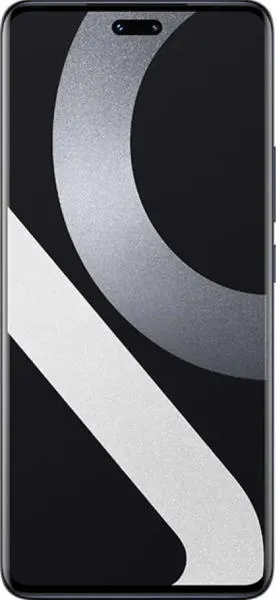
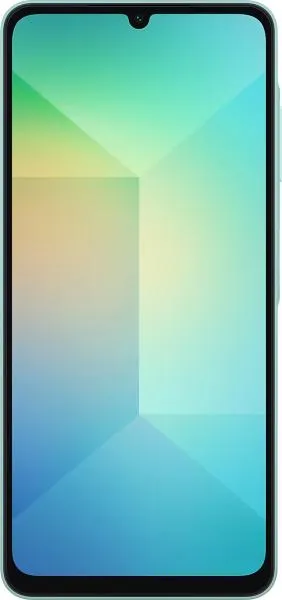
1. Specifications Comparison
| Feature | Xiaomi 13 Lite | Samsung Galaxy A06 | Practical Impact |
|---|---|---|---|
| Design | |||
| Dimensions (mm) | 159.2 x 72.7 x 7.2 | 167.3 x 77.3 x 8 | The Xiaomi 13 Lite is significantly smaller and lighter, making it more pocketable and comfortable for one-handed use. |
| Weight (g) | 171 | 189 | |
| Fingerprint Sensor | In-display | Side-mounted | Preference based, but in-display is generally perceived as more modern. |
| Display | |||
| Display Type | AMOLED | PLS LCD | AMOLED offers richer colors, deeper blacks, and better power efficiency compared to the LCD on the A06. |
| Size (inches) | 6.55 | 6.7 | The A06 has a slightly larger screen, but the difference is minimal. |
| Resolution | 1080 x 2400 | 720 x 1600 | The Xiaomi 13 Lite has a much sharper display, resulting in clearer text and images. |
| Refresh Rate | 120Hz | Not specified | 120Hz offers smoother scrolling and animations compared to a standard 60Hz (assumed for the A06 given its price range). Missing spec for A06 limits definitive comparison. |
| Performance | |||
| Chipset | Snapdragon 7 Gen 1 (4nm) | Helio G85 (12nm) | The Snapdragon 7 Gen 1 is significantly more powerful, leading to faster app loading, smoother multitasking, and better gaming performance. |
| CPU | Octa-core (1x2.4 GHz Cortex-A710 & 3x2.36 GHz Cortex-A710 & 4x1.8 GHz Cortex-A510) | Octa-core (2x2.0 GHz Cortex-A75 & 6x1.8 GHz Cortex-A55) | More powerful and efficient CPU cores on the Xiaomi lead to better overall performance. |
| RAM | 8GB | 4/6GB | More RAM allows for more apps to be open in the background without impacting performance. The Xiaomi will handle multitasking significantly better. |
| Camera | |||
| Main Camera | 50MP Sony IMX766 | 50MP | While both have 50MP sensors, the specific sensor model in the Xiaomi (IMX766) is known for good performance. Lack of sensor details for the A06 limits direct comparison. |
| Front Camera | 32MP + 8MP | 8MP | The Xiaomi has a higher resolution front camera and an additional depth sensor, suggesting potentially better selfie quality. |
| Video Recording | Up to 4K@30fps | Up to 1080p@60fps | The Xiaomi can record higher resolution video. |
| Battery | |||
| Capacity | 4500 mAh | 5000 mAh | The A06 has a larger battery capacity, potentially offering longer battery life. |
| Charging | 67W Fast Charging | 25W Fast Charging | The Xiaomi charges significantly faster. |
2. Key Differences Analysis
Xiaomi 13 Lite Advantages:
- Significantly more powerful processor and more RAM, resulting in much smoother performance.
- Higher resolution and refresh rate display for a superior visual experience.
- Faster charging speeds.
- More versatile camera system.
- More compact and lightweight design.
Samsung Galaxy A06 Advantages:
- Larger battery capacity, potentially leading to longer battery life.
- Lower price point.
- Newer Android version out of the box (although the Xiaomi will likely receive updates).
Trade-offs:
- The A06 sacrifices performance, display quality, and charging speed for a lower price and potentially longer battery life.
- The Xiaomi 13 Lite has a slightly smaller battery but compensates with much faster charging.
3. User Profiles & Recommendations
Xiaomi 13 Lite: Users who prioritize performance, a high-quality display, fast charging, and a good camera. Ideal for gaming, media consumption, multitasking, and photography enthusiasts.
Samsung Galaxy A06: Users on a tight budget who primarily use their phone for basic tasks like calling, texting, browsing, and social media. Battery life is a major priority. Best for casual users who don't demand high performance.
4. Decision Framework
Key Questions for Buyers:
- What is your budget? The A06 is significantly cheaper.
- What are your primary phone usage patterns? Heavy users will appreciate the Xiaomi's performance; light users might find the A06 sufficient.
- Which features are most important to you? Prioritize performance and display? Choose the Xiaomi. Prioritize battery life and affordability? Choose the A06.
My Choice: Xiaomi 13 Lite
While the Samsung Galaxy A06 offers a lower price and potentially longer battery life, the Xiaomi 13 Lite is the superior phone overall. The significantly faster performance, higher quality display, faster charging, and more versatile camera make it a much better value proposition for most users. The difference in everyday usability stemming from the Snapdragon 7 Gen 1 compared to the Helio G85 would be substantial. Even though the A06 has a larger battery, the Xiaomi's 67W fast charging mitigates any concerns about battery life. For me, the performance and display quality are crucial, and the Xiaomi significantly outperforms the A06 in those areas. The price difference is justified by the substantial upgrade in overall user experience.
