1. Specifications Comparison
| Feature | Xiaomi 13 Lite | Samsung Galaxy A05 | Practical Impact |
|---|---|---|---|
| Design | |||
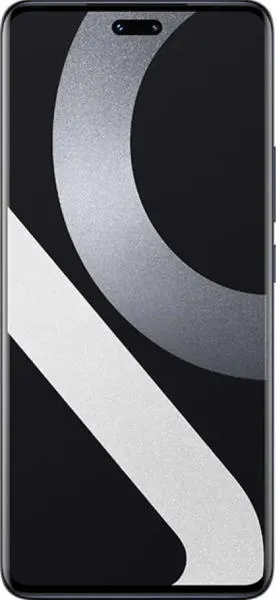
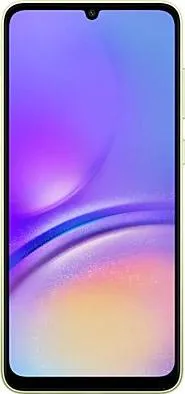
| Dimensions (mm) | 159.2 x 72.7 x 7.2 | 168.8 x 78.2 x 8.8 | Xiaomi 13 Lite is significantly more compact and thinner. Easier to hold and pocket. |
| Weight (g) | 171 | 195 | Noticeably lighter, reducing hand fatigue with extended use. |
| Build | Missing | Missing | Cannot compare build quality and materials. |
| Display | |||
| Display Type | AMOLED | PLS LCD | Xiaomi offers richer colors, deeper blacks, and better power efficiency. |
| Display Size (inches) | 6.55 | 6.7 | Negligible size difference in practice. |
| Resolution | 1080 x 2400 | 720 x 1600 | Sharper and more detailed visuals on the Xiaomi with higher pixel density (402 vs 262 PPI). Impacts clarity of text, images, and videos. |
| Refresh Rate | 120Hz | Unspecified | Xiaomi's 120Hz provides smoother scrolling and animations, enhancing the overall feel of responsiveness. |
| HDR | Dolby Vision, HDR10+ | None | Significantly better dynamic range and color accuracy on the Xiaomi for compatible content. |
| Performance | |||
| Chipset | Snapdragon 7 Gen 1 (4nm) | Helio G85 (12nm) | Xiaomi offers significantly faster processing speeds and better power efficiency due to superior architecture and manufacturing process. |
| CPU | Octa-core (1x2.4 GHz A710 & 3x2.36 GHz A710 & 4x1.8 GHz A510) | Octa-core (2x2.0 GHz A75 & 6x1.8 GHz A55) | Xiaomi has a more modern and powerful CPU architecture, leading to better performance in demanding tasks and multitasking. |
| GPU | Adreno 644 | Mali-G52 MC2 | Xiaomi's GPU provides significantly better gaming performance and graphics rendering. |
| RAM | 8GB | 4/6GB | Xiaomi offers more RAM, enabling smoother multitasking and better performance with memory-intensive applications. |
| Camera | |||
| Main Camera | 50MP Sony IMX766 | 50MP | Xiaomi utilizes a known high-quality sensor (Sony IMX766), likely resulting in better image quality. |
| Ultrawide | 8MP | Not specified | Xiaomi offers an ultrawide lens, expanding creative photography options. Cannot assess the quality without A05 ultrawide specs. |
| Selfie Camera | 32MP + 8MP Depth | 8MP | Xiaomi offers a higher resolution selfie camera and a dedicated depth sensor for better portrait mode. |
| Video Recording | 4K@30fps, 1080p@120fps, 720p@960fps | 1080p@30/60fps | Xiaomi supports higher resolution and frame rate video recording, including slow-motion capabilities. |
| Battery | |||
| Capacity | 4500 mAh | 5000 mAh | Samsung offers a larger battery capacity, potentially leading to longer battery life. |
| Fast Charging | 67W | 25W | Xiaomi supports significantly faster charging, minimizing downtime. |
2. Key Differences Analysis
Xiaomi 13 Lite Advantages:
- Significantly better performance: Superior processor, GPU, and more RAM translates to a smoother, faster user experience for demanding tasks, multitasking, and gaming.
- Higher quality display: AMOLED with 120Hz refresh rate offers vibrant colors, deep blacks, and smooth animations.
- Faster charging: 67W fast charging drastically reduces charging time.
- More compact and lightweight design: Easier to handle and carry.
- Superior camera system: Higher resolution sensors, including an ultrawide lens and better video recording capabilities.
Samsung Galaxy A05 Advantages:
- Larger battery: Potentially longer battery life, although heavier usage on the Xiaomi might offset this.
- Lower price: Offers a more budget-friendly option.
3. User Profiles & Recommendations
Xiaomi 13 Lite: Users who prioritize performance, a high-quality display, fast charging, and a good camera. Suitable for gaming, content consumption, and multitasking.
Samsung Galaxy A05: Users on a tight budget who prioritize basic functionality and long battery life. Best for light usage such as calling, texting, and browsing.
4. Decision Framework
Key Questions:
- What is your budget? The A05 is significantly cheaper.
- What are your primary smartphone uses? Gaming, photography, and demanding tasks favor the Xiaomi. Basic communication favors the A05.
- How important is display quality and performance? Xiaomi significantly outperforms the A05 in these areas.
Scenario-Based Recommendations:
- Heavy user: Xiaomi 13 Lite.
- Budget-conscious light user: Samsung Galaxy A05.
- Gamer: Xiaomi 13 Lite.
- Photographer/Videographer: Xiaomi 13 Lite.
My Choice: Xiaomi 13 Lite
While the Samsung Galaxy A05 offers a larger battery and lower price, the Xiaomi 13 Lite provides a significantly better overall user experience. The superior performance, display, camera system, and fast charging outweigh the benefits of the A05 for me. I value a smooth and responsive phone for everyday tasks, multimedia consumption, and occasional gaming, and the Xiaomi 13 Lite delivers on those fronts. The price difference is justified by the significant jump in quality and features. While battery life is important, the 67W fast charging on the Xiaomi mitigates concerns about needing to frequently recharge. The more compact form factor is also a significant plus for me.
