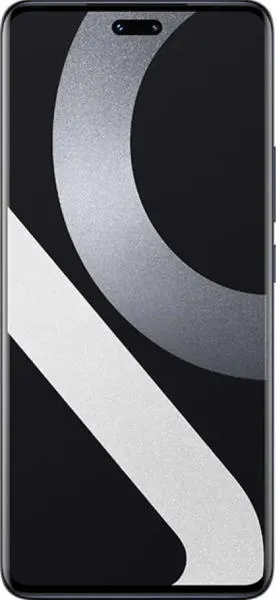
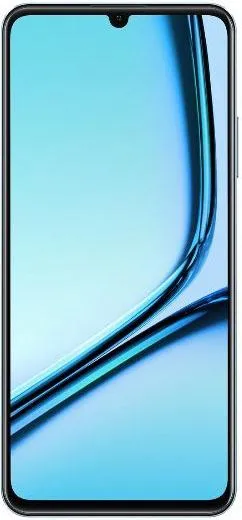
1. Specifications Comparison
| Feature | Xiaomi 13 Lite | Realme Note 50 | Practical Impact |
|---|---|---|---|
| Design | |||
| Dimensions (mm) | 159.2 x 72.7 x 7.2 | 167.2 x 76.7 x 8 | Xiaomi 13 Lite is significantly smaller and lighter, making it more pocketable and comfortable for one-handed use. |
| Weight (g) | 171 | 186 | Reinforces the portability advantage of the Xiaomi 13 Lite. |
| Display | |||
| Display Type | AMOLED | IPS LCD | Xiaomi's AMOLED offers deeper blacks, more vibrant colors, and better power efficiency in dark mode. Realme's IPS LCD might offer better visibility in direct sunlight. |
| Display Size | 6.55" | 6.74" | Realme offers a slightly larger screen, better for media consumption but potentially less comfortable for one-handed use. |
| Resolution | 1080 x 2400 | 720 x 1600 | Xiaomi has a much sharper display (402 ppi vs 260 ppi), resulting in crisper text and images. |
| Refresh Rate | 120Hz | 90Hz | Xiaomi offers a smoother scrolling and animation experience. |
| Performance | |||
| Chipset | Snapdragon 7 Gen 1 (4nm) | Unisoc Tiger T612 (12nm) | Xiaomi's processor is significantly more powerful and power-efficient, enabling smoother multitasking, faster app loading, and better gaming performance. |
| CPU | Octa-core (1x2.4 GHz A710 & 3x2.36 GHz A710 & 4x1.8 GHz A510) | Octa-core (2x1.8 GHz A75 & 6x1.8 GHz A55) | Xiaomi's CPU architecture and higher clock speeds provide a substantial performance advantage. |
| GPU | Adreno 644 | Mali-G57 | Xiaomi's GPU is more capable for demanding games and graphics-intensive tasks. |
| RAM | 8GB | 3/4GB | Xiaomi offers significantly more RAM, allowing for smoother multitasking and less frequent app closures in the background. |
| Camera | |||
| Main Camera | 50MP Sony IMX766 | 13MP | Xiaomi's main camera boasts a higher resolution sensor (Sony IMX766) known for good image quality, likely resulting in better detail and low-light performance. Sensor details missing for Realme make a complete comparison impossible. |
| Video Recording | Up to 4K@30fps, 960fps slow-mo | Up to 1080p@30fps | Xiaomi offers higher resolution video recording and significantly better slow-motion capabilities. |
| Battery | |||
| Capacity | 4500 mAh | 5000 mAh | Realme has a larger battery capacity, potentially offering longer battery life. However, real-world battery life depends on various factors including software optimization and display type. |
| Fast Charging | 67W | 10W | Xiaomi offers dramatically faster charging, minimizing downtime. |
2. Key Differences Analysis
Xiaomi 13 Lite Advantages:
- Superior Performance: The Snapdragon 7 Gen 1 significantly outperforms the Unisoc Tiger T612, resulting in a smoother and more responsive user experience across all tasks.
- Higher Quality Display: The AMOLED display with 120Hz refresh rate offers a visually superior experience with vibrant colors, deep blacks, and smooth scrolling.
- Faster Charging: 67W fast charging drastically reduces charging time compared to Realme's 10W.
- Better Camera System: The 50MP Sony IMX766 sensor and superior video recording capabilities provide a significant advantage in image and video quality. Realme's missing sensor specifications hinder a full comparison but the existing differences point to Xiaomi having a better camera setup.
Realme Note 50 Advantages:
- Larger Battery: 5000mAh battery may offer longer battery life, but this needs real-world testing to confirm due to the less efficient display and processor.
- Lower Price: The Realme Note 50 is positioned in the low price range, making it a more budget-friendly option.
3. User Profiles & Recommendations
Xiaomi 13 Lite: Users who prioritize performance, display quality, fast charging, and camera capabilities. Suitable for gaming, media consumption, and photography enthusiasts.
Realme Note 50: Users on a tight budget who primarily need a basic smartphone for calling, texting, and light web browsing.
4. Decision Framework
Key Questions for Buyers:
- What is your budget? The Realme is significantly cheaper.
- What are your performance expectations? For demanding tasks, the Xiaomi is a much better choice.
- How important is display and camera quality? Xiaomi significantly outperforms the Realme in these areas.
My Choice: Xiaomi 13 Lite
While the Realme Note 50 offers a larger battery and lower price, the Xiaomi 13 Lite provides a significantly superior overall experience. The performance difference between the Snapdragon 7 Gen 1 and the Unisoc Tiger T612 is substantial, impacting everyday usability. The AMOLED display with 120Hz is a major advantage for media consumption and general usage. The faster charging and better camera system further solidify the Xiaomi 13 Lite as the better choice for most users. The price difference is justifiable considering the significant upgrades in performance, display, and camera technology. Unless budget is an absolute constraint, the Xiaomi 13 Lite is the clear winner.
