1. Specifications Comparison
| Feature | Xiaomi 13 Lite | Realme C51 | Practical Impact |
|---|---|---|---|
| Design | |||
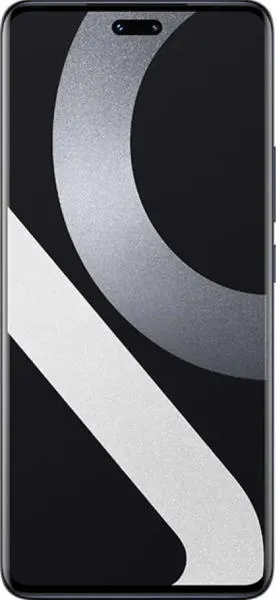
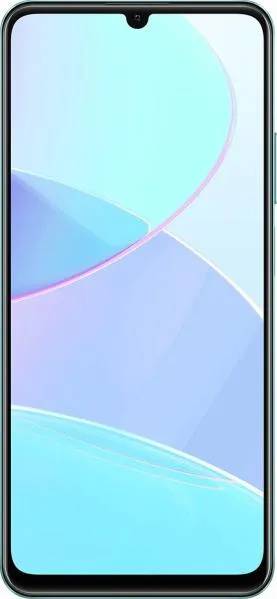
| Dimensions (mm) | 159.2 x 72.7 x 7.2 | 167.2 x 76.7 x 8 | Xiaomi 13 Lite is significantly smaller and thinner, making it more pocketable and easier to handle. |
| Weight (g) | 171 | 186 | Noticeably lighter, contributing to better one-handed use for the Xiaomi. |
| Display | |||
| Display Type | AMOLED | IPS LCD | Xiaomi offers richer colors, deeper blacks, and better power efficiency due to AMOLED technology. |
| Display Size (inches) | 6.55 | 6.74 | Realme has a slightly larger screen, providing more screen real estate for media consumption. |
| Resolution | 1080 x 2400 | 720 x 1600 | Xiaomi has a much sharper display (402 ppi vs 260 ppi), resulting in clearer text and images. |
| Refresh Rate (Hz) | 120 | 90 | Xiaomi offers smoother scrolling and animations thanks to the higher refresh rate. |
| Performance | |||
| Chipset | Snapdragon 7 Gen 1 (4nm) | Unisoc Tiger T612 (12nm) | Xiaomi's processor is significantly more powerful and power-efficient due to the superior architecture and smaller manufacturing process. Expect better performance in demanding tasks and games. |
| CPU | Octa-core (1x2.4 GHz A710 & 3x2.36 GHz A710 & 4x1.8 GHz A510) | Octa-core (2x1.8 GHz A75 & 6x1.8 GHz A55) | Xiaomi possesses a more modern and powerful CPU architecture, translating to faster processing speeds and better multitasking. |
| GPU | Adreno 644 | Mali-G57 | Xiaomi's GPU is more capable, offering smoother gaming and graphics performance. |
| RAM (GB) | 8 | 4 | Xiaomi offers double the RAM, enabling better multitasking and smoother performance with multiple apps open. |
| Camera | |||
| Main Camera (MP) | 50 (Sony IMX766) | 50 (Samsung S5KJN1) | Both phones feature a 50MP main sensor; however, the Sony sensor on the Xiaomi generally performs better in various lighting conditions, specifically low light. |
| Video Recording | Up to 4K@30fps, 960fps slow-mo | Up to 1080p@30fps | Xiaomi offers superior video recording capabilities with higher resolution and slow-motion options. |
| Battery | |||
| Capacity (mAh) | 4500 | 5000 | Realme offers a slightly larger battery capacity, potentially translating to longer battery life. |
| Fast Charging (W) | 67 | 33 | Xiaomi supports significantly faster charging, reducing downtime considerably. |
2. Key Differences Analysis
Xiaomi 13 Lite Advantages:
- Significantly better performance: The Snapdragon 7 Gen 1 outclasses the Unisoc Tiger T612 in processing power, graphics capabilities, and power efficiency.
- Superior display: The AMOLED display with a 120Hz refresh rate offers a vastly improved visual experience with vibrant colors, smooth scrolling, and deeper blacks.
- Faster charging: 67W fast charging significantly reduces charging time compared to Realme's 33W.
- More compact and lightweight design: Easier to handle and carry.
Realme C51 Advantages:
- Larger battery: The 5000mAh battery might offer slightly longer battery life, although this depends on usage patterns and the Xiaomi's superior power efficiency could offset this.
- Lower price: The Realme C51 is considerably more affordable.
3. User Profiles & Recommendations
Xiaomi 13 Lite: Users who prioritize performance, display quality, fast charging, and a premium feel. Suitable for demanding tasks, gaming, media consumption, and photography enthusiasts.
Realme C51: Budget-conscious users who primarily need a large screen and long battery life for basic tasks like calling, texting, browsing, and social media.
4. Decision Framework
Key Questions for Buyers:
- What is your budget? The Realme C51 is significantly cheaper.
- What are your performance needs? For demanding tasks and gaming, the Xiaomi 13 Lite is essential.
- How important is display quality? The Xiaomi's AMOLED display offers a far superior visual experience.
Scenario-Based Recommendations:
- Tight budget, basic usage: Realme C51
- Balanced budget, all-around good phone: Xiaomi 13 Lite
My Choice: Xiaomi 13 Lite
While the Realme C51 offers a larger battery and lower price, the Xiaomi 13 Lite's superior performance, stunning AMOLED display, faster charging, and more premium design make it the clear winner for me. The difference in user experience would be significant, and I value these aspects more than a slightly larger battery or marginal cost savings. The Snapdragon 7 Gen 1 provides a future-proof experience, ensuring smooth performance for years to come. The significantly better display and faster charging significantly enhance daily usage. While I acknowledge the budget constraints might make the Realme C51 appealing to some, the long-term benefits of the Xiaomi 13 Lite outweigh the price difference for my personal needs and preferences.
