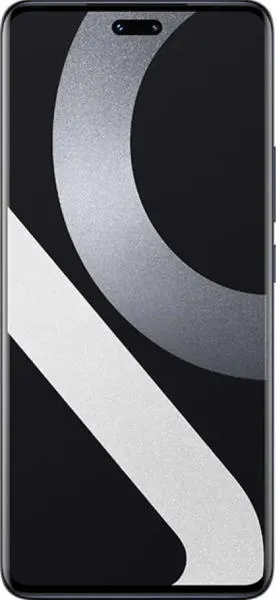
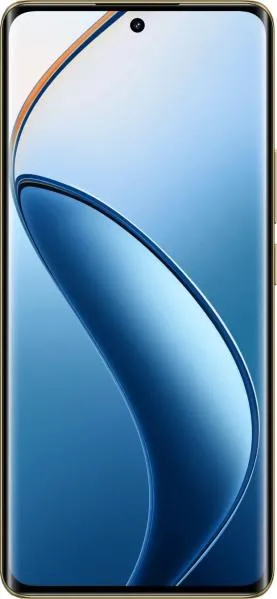
1. Specifications Comparison
| Feature | Xiaomi 13 Lite | Realme 12 Pro | Practical Impact |
|---|---|---|---|
| Design | |||
| Dimensions (mm) | 159.2 x 72.7 x 7.2 | 161.5 x 74 x 8.8 | Realme 12 Pro is slightly larger and noticeably thicker. Xiaomi 13 Lite is more pocketable. |
| Weight (g) | 171 | 190 | Xiaomi 13 Lite is significantly lighter, reducing hand fatigue during extended use. |
| Display | |||
| Size (inches) | 6.55 | 6.7 | Realme 12 Pro offers a slightly larger screen for more immersive media consumption. |
| Resolution | 1080 x 2400 | 1080 x 2412 | Virtually identical resolutions; sharpness will be similar on both devices. |
| Panel Type | AMOLED | AMOLED | Both offer vibrant colors and deep blacks. |
| Refresh Rate (Hz) | 120 | 120 | Both provide smooth scrolling and animations. |
| Color Depth | 68B | 1B | Realme 12 Pro's 1B color depth offers a wider range of colors, resulting in more accurate and nuanced visuals, particularly noticeable in HDR content. |
| HDR Support | Dolby Vision, HDR10+ | None specified | Xiaomi 13 Lite supports more HDR standards, providing better contrast and dynamic range in compatible content. |
| Peak Brightness (nits) | 1000 | 950 | Xiaomi 13 Lite can get slightly brighter, improving outdoor visibility. |
| Performance | |||
| Chipset | Snapdragon 7 Gen 1 | Snapdragon 6 Gen 1 | Xiaomi 13 Lite has a more powerful chipset, leading to better performance in demanding tasks and games. |
| CPU | Octa-core (1x2.4 GHz A710 & 3x2.36 GHz A710 & 4x1.8 GHz A510) | Octa-core (4x2.2 GHz A78 & 4x1.8 GHz A55) | While both are octa-core, the architecture difference favors Xiaomi 13 Lite for sustained performance. |
| GPU | Adreno 644 | Adreno 710 | Xiaomi 13 Lite's GPU is expected to perform better in graphically intense applications. |
| RAM (GB) | 8 | 8 | Both offer sufficient RAM for smooth multitasking. |
| OS | Android 12 | Android 14 | Realme 12 Pro comes with a newer Android version out of the box, offering potential feature and security advantages. However, Xiaomi will likely receive updates to close the gap. |
| Camera | |||
| Main Camera (MP) | 50 (Sony IMX766) | 50 (Sony IMX882) | Both have high-resolution sensors. The IMX882 in the Realme potentially offers improved low-light performance and detail. More information is needed to make a definitive comparison. |
| Ultrawide (MP) | 8 | 8 | Similar ultrawide capabilities expected. |
| Telephoto | None | 32 MP (2x Optical Zoom) | Realme 12 Pro has a dedicated telephoto lens for optical zoom, a significant advantage for capturing distant subjects. Xiaomi 13 Lite only offers digital zoom. |
| Macro (MP) | 2 | 8MP (combined with ultrawide) | The dedicated macro lens on Xiaomi could potentially provide better close-up shots compared to the shared lens on Realme. |
| Video | 4K@30fps, 960fps slow-mo | 4K@30fps with EIS, 240fps slow-mo | Both can record 4K video. Realme 12 Pro offers Electronic Image Stabilization (EIS) at 4K, leading to smoother footage. |
| Battery | |||
| Capacity (mAh) | 4500 | 5000 | Realme 12 Pro has a larger battery, potentially offering longer battery life. |
| Fast Charging (W) | 67 | 67 | Both offer similar fast charging speeds. |
2. Key Differences Analysis
Xiaomi 13 Lite Advantages:
- More Powerful Processor: The Snapdragon 7 Gen 1 offers a noticeable performance advantage for demanding tasks and gaming.
- More Compact and Lighter: Easier to handle and carry.
- Brighter Display with Wider HDR Support: Better outdoor visibility and HDR experience.
- Dedicated Macro Lens: Potentially better close-up shots.
Realme 12 Pro Advantages:
- Larger Battery: Potentially longer battery life.
- Newer Android Version: More up-to-date software with potential feature and security benefits.
- Telephoto Lens: Optical zoom capability for better distant shots.
- Wider Color Gamut: More accurate and nuanced color representation.
- 4K Video Stabilization: Smoother video recording.
Trade-offs:
- Xiaomi 13 Lite: Less battery capacity, older Android version (at launch), no telephoto lens.
- Realme 12 Pro: Larger and heavier design, less powerful processor, potentially less capable macro lens.
3. User Profiles & Recommendations
Xiaomi 13 Lite: Ideal for users who prioritize performance, portability, and a vibrant display with HDR support. Suitable for mobile gaming, content consumption, and everyday tasks.
Realme 12 Pro: Ideal for users who prioritize battery life, camera versatility (especially zoom), and the latest Android features. Suitable for photography enthusiasts, social media users, and those who value all-day battery life.
4. Decision Framework
Key Questions for Buyers:
- What is your budget? Prices can fluctuate, but compare current prices before deciding.
- What are your most important smartphone features? (Performance, camera, battery life, portability)
- What type of content do you consume or create? (Gaming, photography, video recording, social media)
My Choice: Xiaomi 13 Lite
Reasoning: While the Realme 12 Pro offers a compelling camera system with its telephoto lens and the latest Android version, the Xiaomi 13 Lite's superior performance, lighter and more compact design, brighter display with Dolby Vision, and potentially better macro lens make it a more well-rounded device for my needs. I prioritize a smooth and responsive user experience, which the Snapdragon 7 Gen 1 provides. I am also sensitive to phone weight and size. While I value a good camera, the lack of a telephoto lens is less of a concern for me than overall performance and daily usability. I am confident that the Xiaomi will receive timely Android updates, mitigating the initial OS version difference. Finally, the potentially better pricing of the Xiaomi 13 Lite further solidifies its value proposition for me.
