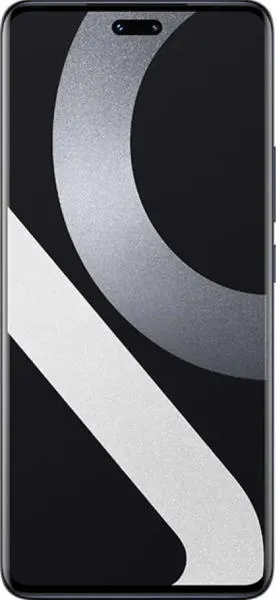
1. Specifications Comparison
| Feature | Xiaomi 13 Lite | realme 8 | Practical Impact |
|---|---|---|---|
| Design | |||
| Dimensions (mm) | 159.2 x 72.7 x 7.2 | 162 x 75.1 x 8.7 | Realme 8 is slightly larger and noticeably thicker. Xiaomi 13 Lite is more pocketable and easier to handle. |
| Weight (g) | 171 | 191 | Xiaomi 13 Lite is significantly lighter, reducing hand fatigue during extended use. |
| Display | |||
| Size (inches) | 6.55 | 6.78 | Realme 8 offers a larger screen for more immersive media consumption and multitasking, but may be less comfortable for one-handed use. |
| Resolution (px) | 1080 x 2400 | 1264 x 2780 | Realme 8 has a sharper display with higher pixel density (450 ppi vs 402 ppi), resulting in crisper text and images. |
| Technology | AMOLED, 120Hz | LTPO AMOLED, 120Hz | Both offer smooth scrolling and animations thanks to 120Hz refresh rates. LTPO on Realme 8 allows for dynamic refresh rate adjustment, potentially saving battery life. |
| Color Depth | 68B | 1B | Realme 8 supports a wider color gamut, leading to more vibrant and accurate color reproduction in supported content. |
| Peak Brightness (nits) | 1000 | 6000 | Realme 8 boasts significantly higher peak brightness, ensuring better visibility in direct sunlight. |
| Performance | |||
| Chipset | Snapdragon 7 Gen 1 | Snapdragon 7+ Gen 3 | Realme 8 has a newer and more powerful processor, resulting in smoother performance, faster app loading, and better gaming capabilities. |
| CPU | Octa-core (1x2.4 GHz A710 & 3x2.36 GHz A710 & 4x1.8 GHz A510) | Octa-core (1x2.8 GHz X4 & 4x2.6 GHz A720 & 3x1.9 GHz A520) | The Realme 8's CPU architecture, featuring a Cortex-X4 core, provides a substantial performance advantage in demanding tasks. |
| GPU | Adreno 644 | Adreno 732 | Realme 8's superior GPU delivers significantly better graphics performance for gaming and other visually intensive applications. |
| RAM | 8GB | 12GB | More RAM in Realme 8 allows for smoother multitasking and better performance with memory-intensive apps. |
| Camera | |||
| Rear Cameras | 50MP Main, 8MP Wide, 2MP Macro | Missing Information | Insufficient data to compare camera quality. |
| Front Camera | 32MP + 8MP Depth Sensor | Missing Information | Insufficient data to compare front camera capabilities. |
| Battery | |||
| Capacity (mAh) | 4500 | 5500 | Realme 8 has a larger battery capacity, potentially translating to longer battery life. |
2. Key Differences Analysis
Xiaomi 13 Lite Advantages:
- More Compact and Lighter: Easier to handle and carry.
- Lower Price: Potentially more affordable (specific pricing comparison needed).
Realme 8 Advantages:
- Significantly More Powerful: Smoother performance, better gaming, faster app loading.
- Larger and Sharper Display: More immersive media consumption.
- Larger Battery: Potentially longer battery life.
- Brighter Display: Improved outdoor visibility.
- More RAM: Better multitasking.
- Newer Android Version: Access to latest features and security updates.
3. User Profiles & Recommendations
Xiaomi 13 Lite:
- Ideal User: Budget-conscious users who prioritize portability and ease of use over top-tier performance. Users primarily using their phone for social media, browsing, and light tasks.
- Use Cases: Casual photography, everyday communication, web browsing.
Realme 8:
- Ideal User: Users who demand high performance for gaming, demanding applications, and heavy multitasking. Users who prioritize a large, bright, and sharp display for media consumption.
- Use Cases: Mobile gaming, video editing, multitasking, content creation.
4. Decision Framework
Key Questions for Buyers:
- What is your budget? The Xiaomi 13 Lite is likely more affordable.
- What is your primary use case? Gaming and demanding tasks favor the Realme 8, while casual use favors the Xiaomi 13 Lite.
- Do you prioritize portability or screen size? The Xiaomi 13 Lite is more compact, while the Realme 8 has a larger display.
My Choice: realme 8
While lacking camera details limits a full comparison, the realme 8 is the superior device based on the available information. Its significant performance advantage, larger and higher-quality display, larger battery, and newer Android version make it a more future-proof and versatile device. The slightly larger size and weight are minor trade-offs for the considerable gains in performance and user experience. Even if the Xiaomi 13 Lite is significantly cheaper, the Realme 8's advancements in core functionality would likely be worth the investment for most users seeking a mid-range phone. A larger battery also translates to better longevity, making it a potentially more valuable device in the long run. However, a definitive price comparison is crucial for a final decision.
