1. Specifications Comparison
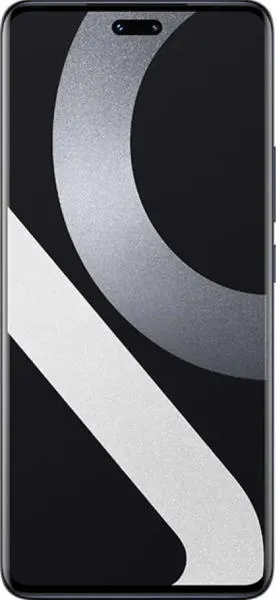
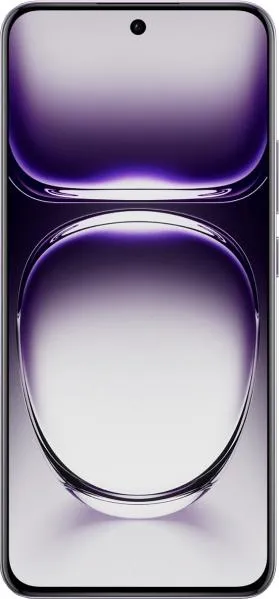
| Feature | Xiaomi 13 Lite | Oppo Reno12 Pro | Practical Impact |
|---|---|---|---|
| Design | |||
| Dimensions (mm) | 159.2 x 72.7 x 7.2 | 161.5 x 74.8 x 7.4 | Reno12 Pro is slightly larger and thicker. |
| Weight (g) | 171 | 180 | Xiaomi 13 Lite is noticeably lighter, improving one-handed use. |
| Display | |||
| Size (inches) | 6.55 | 6.7 | Reno12 Pro offers a slightly larger screen for media consumption. |
| Resolution (px) | 1080 x 2400 | 1080 x 2412 | Virtually identical resolutions; sharpness will be similar. |
| Panel Type | AMOLED | AMOLED | Both offer vibrant colors and deep blacks. |
| Refresh Rate (Hz) | 120 | 120 | Both offer smooth scrolling and animations. |
| Color Depth | 68B | 1B | Reno12 Pro's 1B color depth allows for smoother color gradients, particularly noticeable in professional photo/video editing. |
| Peak Brightness (nits) | 1000 | 1200 | Reno12 Pro's higher peak brightness ensures better visibility in direct sunlight. |
| Performance | |||
| Chipset | Snapdragon 7 Gen 1 | Dimensity 7300 | Both are mid-range chipsets, but benchmarks suggest Dimensity 7300 might offer a slight edge in performance. |
| CPU | Octa-core (1x2.4 GHz A710 & 3x2.36 GHz A710 & 4x1.8 GHz A510) | Octa-core (4x2.5 GHz A78 & 4x2.0 GHz A55) | Different core configurations; real-world performance differences might be subtle. |
| GPU | Adreno 644 | Mali-G615 MC2 | Different GPUs; gaming performance should be comparable, though specific game optimization might favor one over the other. |
| RAM (GB) | 8 | 12 | Reno12 Pro's larger RAM allows for better multitasking and app retention. |
| Camera | |||
| Main Camera (MP) | 50 (Sony IMX766) | 50 (Sony LYT-600) | Different sensors; image quality comparisons would require real-world testing. |
| Ultrawide (MP) | 8 | 8 | Comparable ultrawide cameras. |
| Telephoto (MP) | N/A | 50 | Reno12 Pro offers a dedicated telephoto lens for optical zoom, a significant advantage. |
| Selfie (MP) | 32 | 50 | Reno12 Pro boasts a higher resolution selfie camera. |
| Video | Up to 4K@30fps, 720p@960fps | Up to 4K@30fps, 720p@960fps, OIS/EIS | Both offer similar resolution/frame rate but Reno12 Pro has Optical and Electronic Image Stabilization for smoother video recording. |
| Battery | |||
| Capacity (mAh) | 4500 | 5000 | Reno12 Pro offers a larger battery capacity, potentially leading to longer battery life. |
| Fast Charging (W) | 67 | 80 | Reno12 Pro supports faster charging. |
2. Key Differences Analysis
Xiaomi 13 Lite Advantages:
- Lighter and more compact: Noticeably easier for one-handed use and portability.
- Potentially more affordable: While prices fluctuate, the Xiaomi generally sits in a lower price bracket.
Oppo Reno12 Pro Advantages:
- Larger display and brighter screen: More immersive media consumption experience.
- More RAM: Smoother multitasking and better performance with demanding apps.
- Dedicated telephoto lens: Optical zoom capability for significantly better zoomed photos.
- Larger battery and faster charging: Longer usage time and quicker top-ups.
- Optical Image Stabilization: Smoother video recording.
- Newer OS with longer support: Android 14 with guaranteed updates to 17.
3. User Profiles & Recommendations
Xiaomi 13 Lite: Users prioritizing a lightweight, compact phone for everyday use, social media, and casual photography. Budget-conscious buyers will also find it appealing.
Oppo Reno12 Pro: Users who value a larger, brighter display for media consumption, mobile gaming, and demanding tasks. The superior camera system with a telephoto lens and OIS makes it ideal for photography enthusiasts. The longer software support window is a plus for long-term use.
4. Decision Framework
Key Questions for Buyers:
- What is your budget? The Xiaomi 13 Lite offers excellent value for its price.
- How important is camera quality and versatility? The Reno12 Pro's telephoto lens and OIS are major advantages.
- Do you prioritize a compact and lightweight phone or a larger display?
Scenario-Based Recommendations:
- Limited Budget, Everyday Use: Xiaomi 13 Lite
- Photography Enthusiast: Oppo Reno12 Pro
- Power User/Mobile Gamer: Oppo Reno12 Pro
My Choice: Oppo Reno12 Pro
While the Xiaomi 13 Lite is a compelling option for its price and lighter weight, the Oppo Reno12 Pro offers a more well-rounded package. The dedicated telephoto lens, larger battery with faster charging, brighter display, OIS for video, more RAM, and longer software support are significant advantages that outweigh the slight increase in size and price. As a smartphone analyst, I prioritize features that enhance productivity, creativity, and long-term usability, making the Reno12 Pro the clear winner for me.
