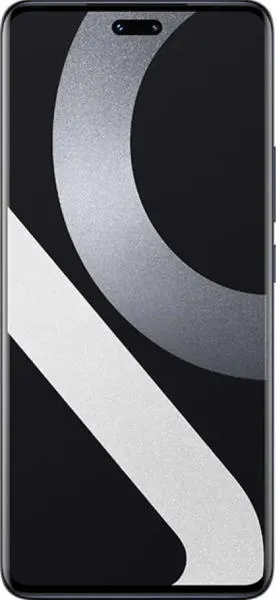
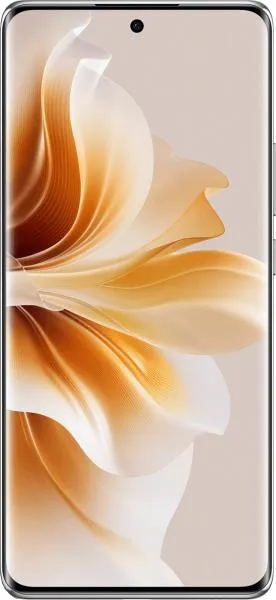
1. Specifications Comparison
| Feature | Xiaomi 13 Lite | Oppo Reno11 | Practical Impact |
|---|---|---|---|
| Design | |||
| Dimensions (mm) | 159.2 x 72.7 x 7.2 | 162.4 x 74.3 x 7.9 | Reno11 is slightly larger and thicker. |
| Weight (g) | 171 | 182 | Xiaomi 13 Lite is noticeably lighter, improving one-handed use. |
| Display | |||
| Size (inches) | 6.55 | 6.7 | Reno11 offers a slightly larger screen for media consumption. |
| Resolution (px) | 1080 x 2400 | 1080 x 2412 | Negligible difference in sharpness. |
| Type | AMOLED | AMOLED | Both offer vibrant colors and deep blacks. |
| Refresh Rate (Hz) | 120 | 120 | Both provide smooth scrolling and animations. |
| Color Depth | 68B | 1B | Reno11's 1B color offers smoother color gradients, potentially more noticeable in professional photo/video editing. |
| Peak Brightness (nits) | 1000 | 950 (typical), 1400 (HBM) | Reno 11 has higher peak brightness, improving outdoor visibility but typical brightness is lower |
| HDR | HDR10+, Dolby Vision | HDR10+ | Xiaomi supports Dolby Vision, offering a wider range of HDR content compatibility. |
| Performance | |||
| Chipset | Snapdragon 7 Gen 1 (4nm) | Dimensity 7050 (6nm) | Both are mid-range chipsets, but benchmarks suggest the Snapdragon 7 Gen 1 offers slightly better performance. |
| CPU | Octa-core (1x2.4 GHz A710 & 3x2.36 GHz A710 & 4x1.8 GHz A510) | Octa-core (2x2.6 GHz A78 & 6x2.0 GHz A55) | Different core configurations; real-world performance differences likely minor for average users. |
| GPU | Adreno 644 | Mali-G68 MC4 | Gaming performance should be comparable, though specific game optimizations can favor one GPU over the other. |
| RAM (GB) | 8 | 8/12 | Reno11 offers a 12GB RAM option, beneficial for heavy multitasking. |
| Camera | |||
| Main Camera (MP) | 50 (Sony IMX766) | 50 (Sony IMX766) | Both use a well-regarded Sony sensor, promising good image quality. |
| Ultrawide (MP) | 8 | 8 | Comparable ultrawide capabilities. |
| Telephoto/Macro (MP) | 2 (Macro) | 32 (Telephoto) | Reno11 offers a dedicated telephoto lens for optical zoom, a significant advantage over Xiaomi's macro lens. |
| Selfie (MP) | 32 + 8 (Depth) | 32 | Reno11 utilizes a higher quality sensor (IMX709) for its single selfie camera compared to the Xiaomi's main selfie sensor. |
| Video | 4K@30fps, 720p@960fps | 4K@30fps with EIS, 720p@960fps | Reno11 has Electronic Image Stabilization (EIS) for smoother video recording. |
| Battery | |||
| Capacity (mAh) | 4500 | 4800 | Reno11 has a slightly larger battery, potentially offering longer battery life. |
| Fast Charging (W) | 67 | 67 | Both offer similar fast charging speeds. |
2. Key Differences Analysis
Xiaomi 13 Lite Advantages:
- Lighter and more compact: Easier for one-handed use and portability.
- Dolby Vision support: Wider HDR compatibility.
- Potentially Slightly faster Chipset
Oppo Reno11 Advantages:
- Larger display: More immersive for media consumption.
- Higher peak Brightness: Better outdoor visibility
- 1 Billion Colors: Smoother color gradients
- Telephoto lens: Optical zoom capabilities for better image quality at a distance.
- Electronic Image Stabilization (EIS): Smoother video recording.
- Larger battery: Potentially longer battery life.
- Higher RAM option: Better for heavy multitasking.
3. User Profiles & Recommendations
Xiaomi 13 Lite: Users who prioritize a lightweight and compact phone, value Dolby Vision support, and are on a tighter budget. Suitable for everyday tasks, social media, and casual photography.
Oppo Reno11: Users who prioritize camera versatility (especially zoom), a larger display for media consumption, longer battery life, and smoother video recording. Suitable for photography enthusiasts, content creators, and heavy multitaskers.
4. Decision Framework
Key Questions for Buyers:
- How important is camera versatility? If optical zoom is crucial, the Reno11 is the clear winner.
- Do you prioritize portability and one-handed use? The lighter and more compact Xiaomi 13 Lite excels here.
- What is your budget? While both are mid-range, specific RAM/storage configurations and regional pricing may influence the decision.
My Choice: Oppo Reno11
While the Xiaomi 13 Lite is a compelling option due to its lighter weight and Dolby Vision, the Oppo Reno11's camera versatility with the telephoto lens, larger battery, Electronic Image Stabilization, and the option for 12GB RAM make it the stronger overall package for my needs. I prioritize camera quality and battery life, and the Reno11's advantages in these areas outweigh the Xiaomi's benefits for my usage. The slightly larger size is not a significant deterrent for me. The higher peak brightness on the Reno11 is also a major factor for me as I often use my phone outdoors.
