1. Specifications Comparison
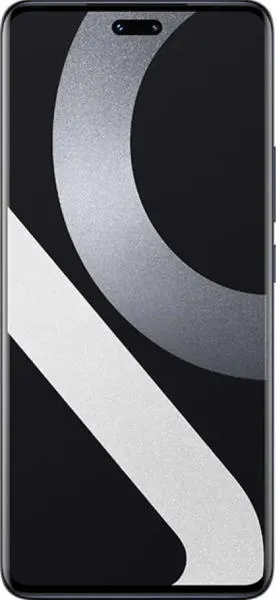
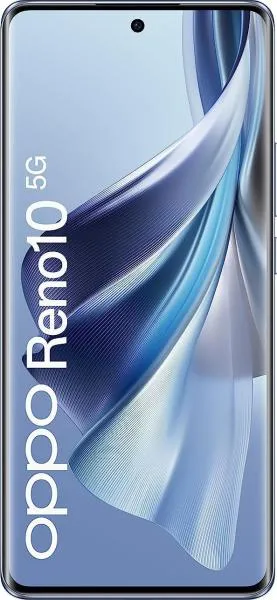
| Feature | Xiaomi 13 Lite | Oppo Reno10 | Practical Impact |
|---|---|---|---|
| Design | |||
| Dimensions (mm) | 159.2 x 72.7 x 7.2 | 162.4 x 74.2 x 8 | Reno10 is slightly larger and thicker. |
| Weight (g) | 171 | 185 | 13 Lite is noticeably lighter, improving one-handed use. |
| Display | |||
| Size (inches) | 6.55 | 6.7 | Reno10 offers a slightly larger screen for media consumption. |
| Resolution | 1080 x 2400 | 1080 x 2412 | Negligible difference in sharpness. |
| Type | AMOLED | AMOLED | Both offer vibrant colors and deep blacks. |
| Refresh Rate (Hz) | 120 | 120 | Both provide smooth scrolling and animations. |
| Color Depth | 68B | 1B | Reno10 supports a wider color gamut, potentially offering more accurate colors in supported content. |
| Peak Brightness (nits) | 1000 | 950 | 13 Lite might be slightly more readable in direct sunlight, though real-world difference might be minimal. |
| HDR | Dolby Vision, HDR10+ | HDR10+ | 13 Lite supports Dolby Vision, potentially providing a better HDR experience in compatible content. |
| Performance | |||
| Chipset | Snapdragon 7 Gen 1 (4 nm) | Dimensity 7050 (6 nm) | Snapdragon 7 Gen 1 generally offers better performance, especially in gaming. |
| CPU | Octa-core (1x2.4 GHz A710 & 3x2.36 GHz A710 & 4x1.8 GHz A510) | Octa-core (2x2.6 GHz A78 & 6x2.0 GHz A55) | While Reno 10 has higher clock speeds on the performance cores, the overall architecture of the Snapdragon chip likely results in better sustained performance. |
| GPU | Adreno 644 | Mali-G68 MC4 | Adreno 644 generally provides superior graphics performance. |
| RAM (GB) | 8 | 8 | Both offer ample RAM for multitasking. |
| Camera | |||
| Main Camera (MP) | 50 (Sony IMX766) | 64 (Omnivision OV64B) | While Reno10 has a higher resolution, the IMX766 sensor in the 13 Lite is generally regarded as higher quality, potentially producing better low-light photos. |
| Ultrawide (MP) | 8 | 8 | Similar ultrawide capabilities. |
| Telephoto (MP) | N/A | 32 (Sony IMX709) | Reno10 offers a dedicated telephoto lens for optical zoom, a significant advantage. |
| Macro (MP) | 2 | N/A | Dedicated macro lens on 13 Lite, although the quality might be limited due to the low resolution. |
| Battery | |||
| Capacity (mAh) | 4500 | 5000 | Reno10 offers longer battery life. |
| Fast Charging (W) | 67 | 67 | Both offer similarly fast charging speeds. |
2. Key Differences Analysis
Xiaomi 13 Lite Advantages:
- Lighter and more compact: Noticeably easier for one-handed use.
- Potentially better main camera image quality: Due to the Sony IMX766 sensor.
- Dolby Vision support: Enhanced HDR experience for compatible content.
- Generally better performance: Smoother gaming and demanding tasks due to the Snapdragon chip.
Oppo Reno10 Advantages:
- Larger battery: Longer usage time between charges.
- Dedicated telephoto lens: Optical zoom capabilities for better zoomed photos.
- Wider color gamut: More accurate color reproduction in supported content.
3. User Profiles & Recommendations
Xiaomi 13 Lite: Users who prioritize a compact and lightweight phone with good performance and a high-quality main camera. Suitable for gaming, everyday use, and social media photography.
Oppo Reno10: Users who prioritize battery life and camera versatility, specifically those who frequently use zoom. Suitable for general use, photography enthusiasts, and those who dislike frequent charging.
4. Decision Framework
Key Questions:
- How important is portability and one-handed use?
- Do you prioritize battery life or overall performance?
- How often do you use zoom when taking photos?
My Choice: Xiaomi 13 Lite
While the Oppo Reno10 offers a larger battery and a telephoto lens, I would choose the Xiaomi 13 Lite. The superior performance of the Snapdragon 7 Gen 1, combined with the lighter and more compact design, are more important factors for my personal usage. I value a smooth and responsive user experience, especially for gaming and multitasking, and the 13 Lite is likely to deliver in this area. While the telephoto lens on the Reno10 is attractive, I find the overall expected image quality from the 13 Lite's main camera, particularly in challenging lighting conditions, to be a stronger selling point. The lighter weight also significantly impacts daily comfort. Finally, while a larger battery is always nice, I'm willing to compromise slightly on battery life for the performance and handling benefits of the 13 Lite.
