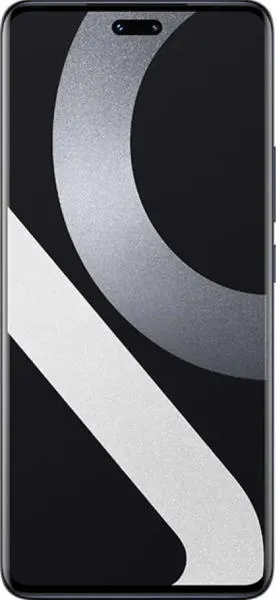
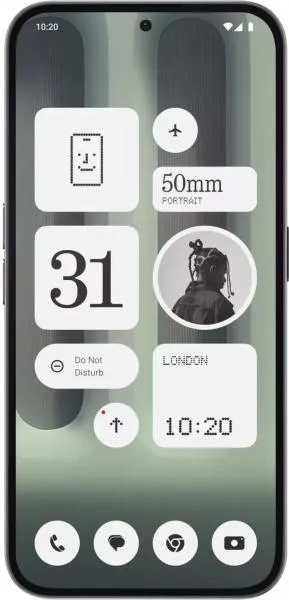
1. Specifications Comparison
| Feature | Xiaomi 13 Lite | Nothing Phone (2a) Plus | Practical Impact |
|---|---|---|---|
| Design | |||
| Dimensions (mm) | 159.2 x 72.7 x 7.2 | 161.7 x 76.3 x 8.5 | The Nothing Phone (2a) Plus is slightly larger and thicker. |
| Weight (g) | 171 | 190 | The Xiaomi 13 Lite is noticeably lighter, making it more comfortable for extended use. |
| Display | |||
| Size (inches) | 6.55 | 6.7 | The Nothing Phone has a slightly larger display, providing a more immersive viewing experience but potentially less one-handed usability. |
| Resolution (pixels) | 1080 x 2400 | 1080 x 2412 | Negligible difference in resolution. Both offer sharp visuals. |
| Panel Type | AMOLED | AMOLED | Both offer vibrant colors and deep blacks. |
| Refresh Rate (Hz) | 120 | 120 | Both provide smooth scrolling and animations. |
| Peak Brightness (nits) | 1000 | 1300 | The Nothing Phone has a significantly higher peak brightness, making it more readable in direct sunlight. |
| Color Depth | 68B | 1B | The Nothing Phone supports a wider color gamut, potentially offering more accurate and nuanced colors, especially beneficial for content creation. |
| Performance | |||
| Chipset | Snapdragon 7 Gen 1 | Dimensity 7350 Pro | Both are mid-range chipsets, but benchmarks suggest the Snapdragon 7 Gen 1 offers slightly better performance overall. |
| CPU | Octa-core (1x2.4 GHz A710 & 3x2.36 GHz A710 & 4x1.8 GHz A510) | Octa-core (2x3.0 GHz A715 & 6x 2.0 GHz A510) | Both CPUs should handle daily tasks with ease. The Dimensity 7350 Pro might have a slight edge in burst performance due to the higher clocked prime cores, but sustained performance might favor the Snapdragon due to its more efficient core cluster. |
| GPU | Adreno 644 | Mali-G610 MC4 | The Adreno 644 generally provides better gaming performance than the Mali-G610 MC4. |
| RAM (GB) | 8 | 12 | The Nothing Phone has significantly more RAM, allowing for better multitasking and smoother performance with demanding apps. |
| Camera | |||
| Main Camera (MP) | 50 (Sony IMX766) | 50 (Samsung GN9) | Both phones have 50MP main sensors. Image quality will depend on processing. The Sony IMX766 is a known performer. |
| Ultrawide (MP) | 8 | 50 | The Nothing Phone has a much higher resolution ultrawide camera, offering significantly better image quality and detail. |
| Macro (MP) | 2 | The Xiaomi phone includes a dedicated macro lens, while the Nothing Phone combines macro functionality with the ultrawide lens. Dedicated macro lenses often provide better close-up shots. | |
| Selfie (MP) | 32 + 8 (Depth) | 50 | The Nothing Phone boasts a higher resolution selfie camera. The Xiaomi phone includes a depth sensor for portrait mode. |
| Battery | |||
| Capacity (mAh) | 4500 | 5000 | The Nothing Phone has a larger battery capacity, potentially offering longer battery life. |
| Fast Charging (W) | 67 | 50 | The Xiaomi 13 Lite supports significantly faster charging. |
| Extras | No charger in box | The Nothing Phone does not include a charger in the box. |
2. Key Differences Analysis
Xiaomi 13 Lite Advantages:
- Lighter and More Compact: More comfortable for one-handed use and extended periods.
- Faster Charging: Significantly reduces charging time.
- Dedicated Macro Lens: Potentially better close-up shots.
- Slightly Better GPU: Advantage for gaming.
- Includes Charger: Ready to use out of the box.
Nothing Phone (2a) Plus Advantages:
- Brighter Display: Easier to read in sunlight.
- Wider Color Gamut: More accurate and vibrant colors.
- More RAM: Superior multitasking and performance with demanding applications.
- Higher Resolution Ultrawide Camera: Significantly better ultrawide photos and videos.
- Higher Resolution Selfie Camera: Better quality self-portraits.
- Larger Battery: Potentially longer battery life.
- Newer Android Version with Longer Support: Android 14 with guaranteed updates to Android 17.
3. User Profiles & Recommendations
Xiaomi 13 Lite: Users who prioritize a compact and lightweight phone with fast charging and good gaming performance. Suitable for everyday tasks, social media, casual gaming, and users sensitive to phone weight.
Nothing Phone (2a) Plus: Users who value a large, bright display, excellent cameras (especially ultrawide and selfie), and ample RAM for multitasking. Ideal for content consumption, mobile photography, demanding applications, and users who prioritize future-proofing with software updates.
4. Decision Framework
Key Questions for Buyers:
- How important is portability and one-handed use? The Xiaomi 13 Lite is significantly lighter and smaller.
- What is your primary camera usage? The Nothing Phone has a significant advantage in ultrawide and selfie camera quality.
- How much do you value software updates and future-proofing? The Nothing Phone ships with a newer Android version and has longer guaranteed software support.
My Choice: Nothing Phone (2a) Plus
While the Xiaomi 13 Lite offers a compelling package with its lighter weight, faster charging, and slightly better gaming performance, the Nothing Phone (2a) Plus edges out as my preferred choice due to its:
- Superior Display: The brighter display and wider color gamut are significant advantages for everyday use and media consumption.
- Better Camera System: The higher resolution ultrawide and selfie cameras are crucial for capturing high-quality photos and videos.
- Future-Proofing: The newer Android version and guaranteed updates to Android 17 ensure the phone will remain relevant and secure for a longer period.
- More RAM: The 12GB of RAM provides a significant advantage for multitasking and demanding applications, ensuring smoother performance in the long run.
The lack of a charger is a minor inconvenience that can be easily overcome. The slightly larger size and weight are acceptable trade-offs for the significant benefits offered by the Nothing Phone (2a) Plus. While I acknowledge the subjective nature of preferences, for my usage pattern which heavily relies on content creation and consumption, along with a desire for a future-proof device, the Nothing Phone is the better overall package.
