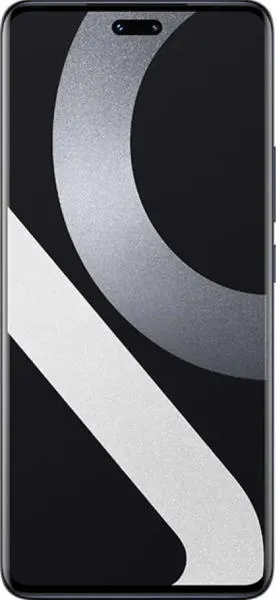
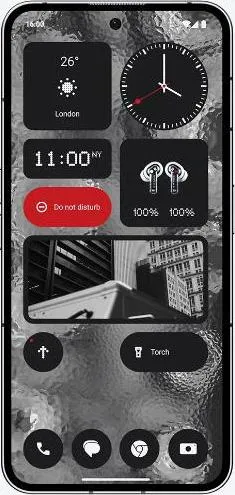
1. Specifications Comparison
| Feature | Xiaomi 13 Lite | Nothing Phone (2) | Practical Impact |
|---|---|---|---|
| Design | |||
| Dimensions (mm) | 159.2 x 72.7 x 7.2 | 162.1 x 76.4 x 8.6 | Nothing Phone (2) is larger and thicker. |
| Weight (g) | 171 | 201.2 | Xiaomi 13 Lite is noticeably lighter, more comfortable for one-handed use and extended holding. |
| Display | |||
| Size (inches) | 6.55 | 6.7 | Slightly larger screen on Nothing Phone (2) offers more immersive content consumption. |
| Resolution | 1080 x 2400 | 1080 x 2412 | Virtually identical resolution; sharpness difference is negligible. |
| Type | AMOLED | LTPO OLED | Both offer vibrant colors and deep blacks. LTPO on Nothing Phone (2) allows for variable refresh rate, potentially saving battery. |
| Refresh Rate (Hz) | 120 | 120 | Both offer smooth scrolling and animations. |
| Peak Brightness (nits) | 1000 | 1600 | Nothing Phone (2) is significantly brighter, improving outdoor visibility. |
| Performance | |||
| Chipset | Snapdragon 7 Gen 1 | Snapdragon 8+ Gen 1 | Nothing Phone (2) has a significantly more powerful processor, resulting in smoother multitasking, faster app loading, and better gaming performance. |
| CPU | Octa-core (1x2.4 GHz A710 & 3x2.36 GHz A710 & 4x1.8 GHz A510) | Octa-core (1x3.0 GHz X2 & 3x2.5 GHz A710 & 4x1.80 GHz A510) | Nothing Phone (2)'s superior CPU architecture and clock speeds provide a substantial performance advantage. |
| GPU | Adreno 644 | Adreno 730 | Nothing Phone (2) boasts a more powerful GPU, delivering superior gaming and graphics performance. |
| RAM (GB) | 8 | 8/12 | Nothing Phone (2) offers a 12GB RAM option, further enhancing multitasking capabilities. |
| Camera | |||
| Main Camera (MP) | 50 (Sony IMX766) | 50 (Sony IMX890) | Both have high-resolution sensors, but image quality depends on processing. |
| Ultrawide (MP) | 8 | 50 (Samsung S5KJN1) | Nothing Phone (2) has a much higher resolution ultrawide camera, capturing more detail. |
| Macro (MP) | 2 | Included with ultrawide | Dedicated macro lens on Xiaomi 13 Lite might offer slightly better close-up shots, but Nothing Phone (2)'s high-resolution ultrawide could compensate. |
| Optical Stabilization | No | Yes | Nothing Phone (2)'s optical image stabilization will result in sharper photos and videos, especially in low light. |
| Battery | |||
| Capacity (mAh) | 4500 | 4700 | Slightly larger battery in Nothing Phone (2), but real-world battery life depends on optimization and usage. |
| Fast Charging (W) | 67 | 45 | Xiaomi 13 Lite charges significantly faster. |
| Wireless Charging | No | Yes (15W) | Nothing Phone (2) supports wireless charging, adding convenience. |
2. Key Differences Analysis
Xiaomi 13 Lite Advantages:
- Lighter and more compact: Easier to handle and carry.
- Faster wired charging: Less downtime.
- Lower price: Offers good value for its features.
Nothing Phone (2) Advantages:
- Significantly more powerful: Smoother performance for demanding tasks and gaming.
- Brighter display: Better outdoor visibility.
- Higher resolution ultrawide camera: More detailed wide-angle shots.
- Optical image stabilization: Sharper photos and videos.
- Wireless charging: Added convenience.
- Longer software support: Guaranteed updates to Android 16.
3. User Profiles & Recommendations
Xiaomi 13 Lite:
- Ideal User: Budget-conscious users who prioritize a lightweight and compact phone with good performance for everyday tasks. Social media users who value a good selfie camera.
- Use Cases: Casual gaming, social media browsing, web surfing, taking selfies.
Nothing Phone (2):
- Ideal User: Users who demand top-tier performance for gaming, demanding apps, and content creation. Users who value a bright display and advanced camera features.
- Use Cases: Mobile gaming, demanding applications, photography, videography, content consumption.
4. Decision Framework
Key Questions:
- What is your budget? The Xiaomi 13 Lite is more affordable.
- What is your performance requirement? The Nothing Phone (2) offers significantly better performance.
- What features are most important to you? Consider camera quality, display brightness, charging speed, and software updates.
My Choice: Nothing Phone (2)
While the Xiaomi 13 Lite offers excellent value, the Nothing Phone (2)'s superior performance, brighter display, better camera system (especially the ultrawide), optical image stabilization, and longer software support make it the better overall choice for me. The performance difference between the Snapdragon 7 Gen 1 and 8+ Gen 1 is substantial, and I prioritize a smooth and future-proof experience. The added convenience of wireless charging and the significantly better low-light photography due to OIS further solidify my choice. While the price difference is notable, the long-term benefits of the Nothing Phone (2) outweigh the extra cost in my opinion. I am willing to compromise on slightly larger size and slower wired charging for the significant performance and feature upgrades.
