1. Specifications Comparison
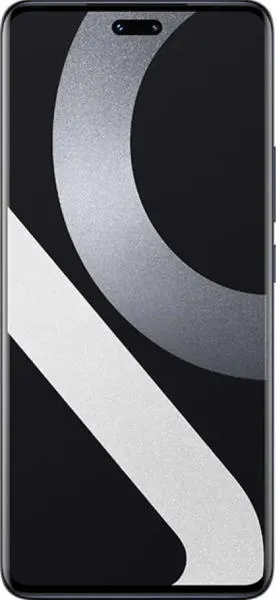
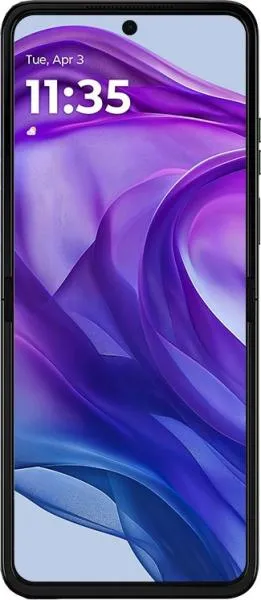
| Feature | Xiaomi 13 Lite | Motorola Razr 50 Ultra | Practical Impact |
|---|---|---|---|
| Design | |||
| Dimensions (mm) | 159.2 x 72.7 x 7.2 | 171.4 x 74 x 7.1 | Razr 50 Ultra is taller and wider but slightly thinner. Foldable design makes it significantly more pocketable despite larger dimensions when unfolded. |
| Weight (g) | 171 | 189 | Razr 50 Ultra is noticeably heavier, but expected given the foldable design and larger external display. |
| Foldable | No | Yes | Razr's foldable design offers unique portability and a larger external display for quick interactions. |
| Display | |||
| Display Type | AMOLED | Foldable LTPO AMOLED | Razr uses more advanced LTPO technology potentially leading to better power efficiency. Foldable display offers a unique form factor. |
| Size (inches) | 6.55 | 6.9 | Razr offers a larger main display for immersive content consumption. |
| Resolution | 1080 x 2400 | 1080 x 2640 | Both have FHD+ resolution, but Razr's taller aspect ratio provides slightly more vertical screen real estate. |
| Refresh Rate (Hz) | 120 | 165 | Razr's higher refresh rate will result in smoother animations and scrolling. Noticeable in gaming and fast-paced UI interactions. |
| Peak Brightness (nits) | 1000 | 3000 | Razr's significantly higher peak brightness ensures excellent outdoor visibility. |
| Color Depth | 68B | 1B | Razr supports a wider color gamut, resulting in more vibrant and accurate colors in supported content. |
| Performance | |||
| Chipset | Snapdragon 7 Gen 1 | Snapdragon 8+ Gen 1 | Razr has a significantly more powerful processor, enabling smoother multitasking, faster app loading, and better gaming performance. |
| CPU | Octa-core (1x2.4 GHz A710 & 3x2.36 GHz A710 & 4x1.8 GHz A510) | Octa-core (1x3.0 GHz X4 & 4x2.8 GHz A720 & 3x2.0 GHz A520) | Razr's CPU boasts higher clock speeds and a more powerful core architecture, translating to superior performance. |
| GPU | Adreno 644 | Adreno 735 | Razr offers a more powerful GPU, crucial for demanding games and graphics-intensive applications. |
| RAM (GB) | 8 | 12 | Razr's larger RAM enables better multitasking and keeps more apps open in the background without performance slowdown. |
| Camera | |||
| Main Camera (MP) | 50 (Sony IMX766) | 50 (Samsung GN8) | Both phones have 50MP main sensors, but different sensor models may lead to variations in image quality. |
| Ultrawide (MP) | 8 | Not specified | Xiaomi offers an ultrawide lens for wider field of view shots, while ultrawide capabilities on the Razr are unclear. |
| Telephoto (MP) | None | 50 | Razr features a dedicated telephoto lens for optical zoom, absent in the Xiaomi. |
| Battery | |||
| Capacity (mAh) | 4500 | 4000 | Xiaomi offers a larger battery capacity, potentially leading to longer battery life. |
| Fast Charging (W) | 67 | 45 | Xiaomi supports significantly faster charging. |
2. Key Differences Analysis
Xiaomi 13 Lite Advantages:
- Longer Battery Life: Larger battery capacity suggests potentially longer usage time.
- Faster Charging: Significantly faster charging speeds minimize downtime.
- Lighter and More Compact (traditional form factor): More comfortable for one-handed use for users who prefer traditional slabs.
- Lower Price: Typically more affordable than the Razr 50 Ultra.
Motorola Razr 50 Ultra Advantages:
- Foldable Design: Unique form factor for enhanced portability and a larger cover screen for quick tasks.
- Significantly More Powerful: Superior CPU and GPU for demanding tasks and gaming.
- Higher Refresh Rate Display: Smoother and more responsive visual experience.
- Brighter Display: Excellent outdoor visibility.
- Dedicated Telephoto Lens: Optical zoom capabilities for better image versatility.
- More Premium Feel: Foldable design and materials often convey a higher quality feel.
Trade-offs:
- Razr 50 Ultra: Higher price, potentially shorter battery life due to the dual display setup, heavier and bulkier when unfolded. Durability of the folding screen might be a concern for some.
- Xiaomi 13 Lite: Less powerful, lower peak brightness, lacks telephoto lens and advanced display features.
3. User Profiles & Recommendations
Xiaomi 13 Lite: Ideal for budget-conscious users who prioritize battery life, fast charging, and a lightweight, traditional smartphone experience. Suitable for everyday tasks, social media, web browsing, and casual gaming.
Motorola Razr 50 Ultra: Best suited for users who value cutting-edge technology, a unique form factor, and top-tier performance. Excellent for power users, mobile gamers, content creators who appreciate the foldable design and large external display.
4. Decision Framework
Key Questions for Buyers:
- Budget: How much are you willing to spend?
- Form Factor: Do you prioritize portability and a unique design (foldable) or a traditional slab phone?
- Performance Needs: Do you require top-tier performance for demanding tasks or is good enough performance sufficient?
My Choice: Motorola Razr 50 Ultra
While the Xiaomi 13 Lite offers excellent value, I would choose the Motorola Razr 50 Ultra. The foldable design is a game-changer for portability and the external display's functionality truly enhances daily use. The significant performance upgrade, brighter display, and telephoto lens make it a more versatile and future-proof device. I am willing to compromise on battery life (somewhat) and pay a premium for the innovative form factor and top-tier performance. The superior user experience offered by the Razr 50 Ultra outweighs the benefits of the Xiaomi 13 Lite for my personal needs and preferences.
