1. Specifications Comparison
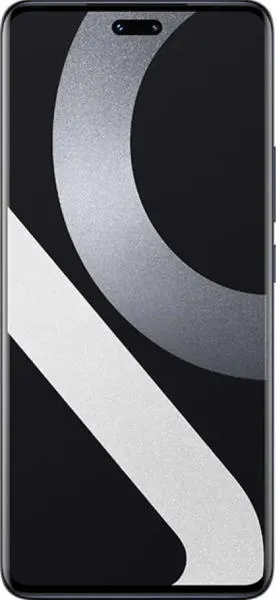
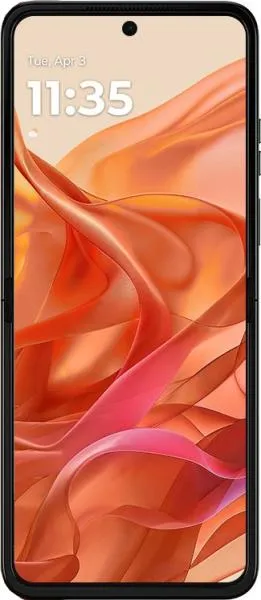
| Feature | Xiaomi 13 Lite | Motorola Razr 50 | Practical Impact |
|---|---|---|---|
| Design | |||
| Dimensions (mm) | 159.2 x 72.7 x 7.2 | 171.3 x 74 x 7.3 | Razr 50 is taller and slightly wider when unfolded, but significantly more compact when folded. |
| Weight (g) | 171 | 188.4 | Razr 50 is noticeably heavier. |
| Foldable | No | Yes | Razr 50 offers greater portability when folded. |
| Display | |||
| Size (inches) | 6.55 | 6.9 | Razr 50 has a larger screen. |
| Resolution (pixels) | 1080 x 2400 | 1080 x 2640 | Similar sharpness due to size difference; Razr 50 slightly taller. |
| Type | AMOLED | Foldable LTPO AMOLED | Razr 50's foldable screen introduces a crease but allows for compact storage. |
| Refresh Rate (Hz) | 120 | 120 | Both offer smooth scrolling and animations. |
| Peak Brightness (nits) | 1000 | 3000 | Razr 50 is significantly brighter outdoors. |
| Performance | |||
| Chipset | Snapdragon 7 Gen 1 | Dimensity 7300X | Both offer good mid-range performance, but benchmarks are needed for definitive comparison. |
| CPU | Octa-core (1x2.4 GHz A710 & 3x2.36 GHz A710 & 4x1.8 GHz A510) | Octa-core (4x2.5 GHz A78 & 4x2.0 GHz A55) | Razr 50's CPU architecture might offer slightly better performance, needs benchmarks to confirm. |
| GPU | Adreno 644 | Mali-G615 MC2 | Gaming performance differences require further benchmarking. |
| RAM (GB) | 8 | 8/12 | Razr 50 offers a 12GB RAM option for better multitasking. |
| Camera | |||
| Main Camera (MP) | 50 (Sony IMX766) | 50 | Xiaomi specifies the sensor model, suggesting potential image quality advantages. Real-world comparisons are needed. |
| Ultrawide (MP) | 8 | 13 | Razr 50 has a higher resolution ultrawide camera. |
| Macro (MP) | 2 | None | Xiaomi offers a dedicated macro lens, Razr 50 does not. |
| Selfie (MP) | 32 + 8 (Depth) | 32 | Xiaomi features a dual selfie camera setup with a depth sensor. |
| Video | 4K@30fps, 960fps slow-mo | 4K@30fps with EIS, 120fps slow-mo | Razr 50's video stabilization (EIS) is a notable advantage for smoother footage. |
| Battery | |||
| Capacity (mAh) | 4500 | 4200 | Xiaomi has slightly larger battery capacity. |
| Fast Charging (W) | 67 | 30 | Xiaomi offers significantly faster charging. |
2. Key Differences Analysis
Xiaomi 13 Lite Advantages:
- Faster Charging: Significantly faster charging speeds minimize downtime.
- Potentially Better Main Camera: The specified Sony IMX766 sensor is known for good performance.
- Dedicated Macro Lens: Offers close-up shooting capabilities not available on the Razr 50.
- Dual Selfie Camera: Provides depth information for portrait mode effects.
- Slightly Larger Battery: Potentially longer battery life.
Motorola Razr 50 Advantages:
- Foldable Design: Offers unparalleled portability and a unique form factor.
- Brighter Display: Much brighter display for better outdoor visibility.
- More RAM in Higher-End Configuration: The 12GB RAM option provides smoother multitasking.
- Video Stabilization: EIS ensures smoother video footage.
- Newer OS: Ships with Android 14, offering the latest features and security updates.
3. User Profiles & Recommendations
Xiaomi 13 Lite: Ideal for users prioritizing battery life, fast charging, and camera versatility, especially for those who frequently use macro photography and value a dual selfie camera.
Motorola Razr 50: Best suited for users who value portability and a unique design above all else. The foldable form factor is a major differentiator. Also a good choice for those who consume a lot of media on their phone thanks to the brighter display.
4. Decision Framework
Key Questions for Buyers:
- How important is portability? If pocketability is paramount, the Razr 50's foldable design is a clear winner.
- What is your budget? The Razr 50 generally commands a higher price, especially for the 12GB RAM variant.
- What are your primary use cases? Consider camera usage, gaming needs, media consumption habits, and charging convenience.
Scenario-Based Recommendations:
- Heavy Social Media User: Razr 50 for its brighter display and unique design for content creation.
- Frequent Traveler: Razr 50 for its compact size and portability.
- Budget-Conscious Gamer: Xiaomi 13 Lite, pending benchmarks to confirm gaming performance.
- Photography Enthusiast: Xiaomi 13 Lite, pending real-world camera comparisons, for its dedicated macro lens and potentially superior main sensor.
My Choice: Xiaomi 13 Lite
While the Razr 50's foldable design is intriguing, the Xiaomi 13 Lite offers a more compelling overall package for my needs. I prioritize fast charging, battery life, and camera versatility. The Sony IMX766 sensor on the Xiaomi often performs well in real-world testing, and the dedicated macro lens adds a creative dimension. The significantly faster charging is a major advantage for my daily usage. While I acknowledge the Razr 50's portability benefits and brighter display, these are not as crucial for me compared to the features offered by the Xiaomi 13 Lite. The price difference further solidifies my choice, as the Xiaomi offers excellent value for its features. Finally, I am comfortable with Android 12 and believe the core functionality and performance differences would outweigh the newer OS on the Razr 50.
