1. Specifications Comparison
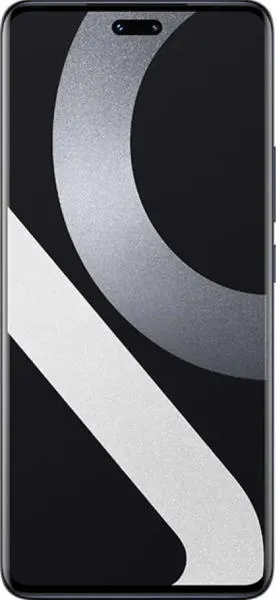
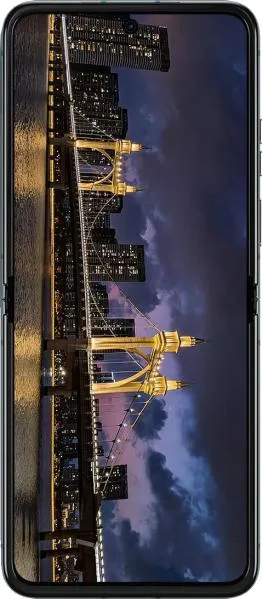
| Feature | Xiaomi 13 Lite | Motorola Razr 40 Ultra | Practical Impact |
|---|---|---|---|
| Design | |||
| Dimensions (mm) | 159.2 x 72.7 x 7.2 | 170.8 x 74 x 7 | Razr 40 Ultra is taller and wider but significantly thinner when unfolded. Xiaomi 13 Lite is a more traditional candybar design. Foldability impacts portability and pocketability. |
| Weight (g) | 171 | 184.5 | Razr 40 Ultra is noticeably heavier, potentially impacting one-handed use. |
| Foldable | No | Yes | Razr's foldable design offers a compact folded size for portability but introduces a crease and potential durability concerns. |
| Display | |||
| Display Type | AMOLED | Foldable LTPO AMOLED | Razr uses a more advanced LTPO panel potentially offering better power efficiency and variable refresh rates. Folding display introduces a crease. |
| Size (inches) | 6.55 | 6.9 | Razr offers a larger screen for media consumption. |
| Resolution | 1080 x 2400 | 1080 x 2640 | Similar resolutions, but Razr's slightly taller aspect ratio provides more vertical screen real estate. |
| Refresh Rate (Hz) | 120 | 165 | Razr's higher refresh rate results in smoother animations and scrolling, particularly noticeable in gaming and fast-paced content. |
| Peak Brightness (nits) | 1000 | 1400 | Razr's significantly higher peak brightness ensures better visibility outdoors. |
| Performance | |||
| Chipset | Snapdragon 7 Gen 1 | Snapdragon 8+ Gen 1 | Razr boasts a flagship-level processor, offering significantly better performance for demanding tasks like gaming and video editing. |
| CPU | Octa-core (1x2.4 GHz A710 & 3x2.36 GHz A710 & 4x1.8 GHz A510) | Octa-core (1x3.19 GHz X2 & 3x2.75 GHz A710 & 4x1.80 GHz A510) | Razr's CPU architecture and higher clock speeds translate to faster processing and smoother multitasking. |
| GPU | Adreno 644 | Adreno 730 | Razr's more powerful GPU ensures a superior gaming experience and smoother graphics rendering. |
| RAM (GB) | 8 | 8/12 | Razr offers a 12GB RAM option for even more aggressive multitasking. |
| Camera | |||
| Main Camera (MP) | 50 (Sony IMX766) | 12 | Xiaomi 13 Lite boasts a higher resolution main sensor (IMX766), potentially capturing more detail. Sensor size and processing significantly impact image quality. Razr's lower megapixel count doesn't automatically mean worse quality. |
| Ultrawide (MP) | 8 | 13 | Razr has a slightly higher resolution ultrawide. More information on sensor specs is needed for a meaningful comparison. |
| Macro (MP) | 2 | Integrated with Ultrawide | Dedicated macro lens on the Xiaomi might offer slightly better close-up shots. |
| Selfie (MP) | 32 + 8(Depth) | 32 | Xiaomi has a dual selfie setup, including a depth sensor for potentially improved portrait mode. Again, sensor specifics are crucial for a definitive comparison. |
| Battery | |||
| Capacity (mAh) | 4500 | 3800 | Xiaomi offers a larger battery capacity, likely translating to longer battery life. Real-world usage varies greatly. |
| Fast Charging (W) | 67 | 30 | Xiaomi supports significantly faster charging. |
2. Key Differences Analysis
Xiaomi 13 Lite Advantages:
- Longer Battery Life: Larger 4500mAh battery.
- Faster Charging: 67W fast charging.
- Potentially Better Main Camera: Higher resolution 50MP Sony IMX766 sensor.
- Lower Price: Generally more affordable than the Razr 40 Ultra.
Motorola Razr 40 Ultra Advantages:
- Foldable Design: Compact when folded, larger screen when unfolded.
- Higher-End Performance: Snapdragon 8+ Gen 1 chip offers significantly better processing power.
- Smoother Display: 165Hz refresh rate and LTPO technology.
- Brighter Display: 1400 nits peak brightness for excellent outdoor visibility.
- More Advanced OS and Software Updates: Ships with Android 13 and guaranteed updates to Android 16.
Trade-offs:
- Foldability vs. Durability: Razr's folding screen offers portability but might be less durable than a traditional display.
- Performance vs. Battery Life: Razr's powerful processor might consume more battery than the Xiaomi's more efficient chip.
- Price vs. Features: Razr's premium features come at a higher price point.
3. User Profiles & Recommendations
Xiaomi 13 Lite:
- Ideal User: Budget-conscious users seeking a well-rounded phone with good battery life and a capable camera.
- Use Cases: Everyday tasks, social media, casual gaming, photography.
Motorola Razr 40 Ultra:
- Ideal User: Users who prioritize portability and cutting-edge technology, willing to pay a premium for a foldable design and top-tier performance. Early adopters who value a unique form factor.
- Use Cases: Multitasking, demanding applications, gaming, media consumption on the go, showcasing a unique device.
4. Decision Framework
Key Questions for Buyers:
- Is foldability a priority? Are you willing to compromise on potential durability and battery life for the portability of a folding phone?
- What is your budget? The Razr 40 Ultra commands a significantly higher price.
- What are your performance needs? Do you require the power of a flagship chip, or is a mid-range processor sufficient?
My Choice: Xiaomi 13 Lite
While the Razr 40 Ultra boasts impressive specifications and a futuristic design, the Xiaomi 13 Lite offers a more compelling package for my needs. I prioritize battery life, fast charging, and a reliable camera experience, all of which the Xiaomi delivers at a significantly lower price point. The Snapdragon 7 Gen 1 is powerful enough for my daily usage, and I am not willing to compromise on battery life or potentially durability for a foldable design. The larger battery and faster charging are significant advantages for my usage pattern. While the Razr's screen is undeniably impressive, the practical benefits don't outweigh the cost and other trade-offs for me personally.
