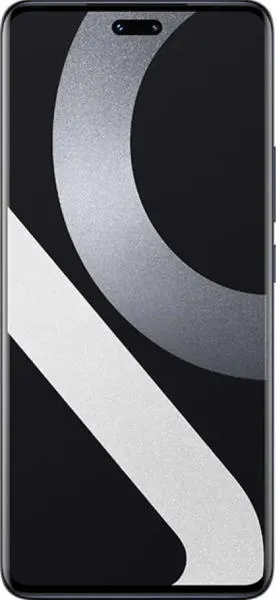
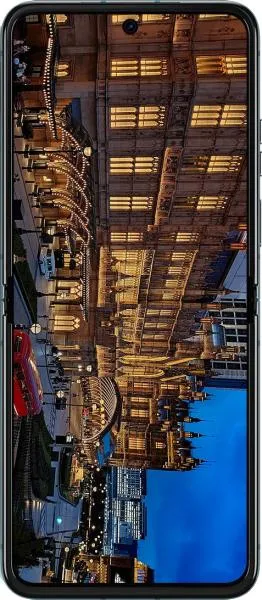
1. Specifications Comparison
| Feature | Xiaomi 13 Lite | Motorola Razr 40 | Practical Impact |
|---|---|---|---|
| Design | |||
| Dimensions (mm) | 159.2 x 72.7 x 7.2 | 170.8 x 74 x 7.4 | Razr 40 is taller and slightly wider when unfolded but significantly more compact when folded. |
| Weight (g) | 171 | 188.6 | Razr 40 is noticeably heavier, likely due to the folding mechanism. |
| Foldable | No | Yes | Razr 40 offers significantly increased portability when folded. |
| Display | |||
| Size (inches) | 6.55 | 6.9 | Razr 40 has a larger main screen, providing more immersive content consumption. |
| Resolution (px) | 1080 x 2400 | 1080 x 2640 | Both have similar pixel density, resulting in comparable sharpness. Razr 40 is slightly taller. |
| Refresh Rate (Hz) | 120 | 144 | Razr 40's higher refresh rate delivers smoother animations and scrolling. |
| Display Type | AMOLED | Foldable LTPO AMOLED | Razr 40's LTPO panel allows for dynamic refresh rate adjustment, potentially saving battery. Folding capability is a major differentiator, enabling new use cases like compact storage and flex mode. |
| Peak Brightness (nits) | 1000 | 1400 | Razr 40's display is significantly brighter, improving outdoor visibility. |
| Performance | |||
| Chipset | Snapdragon 7 Gen 1 | Snapdragon 7 Gen 1 | Performance should be nearly identical in day-to-day tasks and gaming. |
| CPU | Octa-core (1x2.4 GHz A710 & 3x2.36 GHz A710 & 4x1.8 GHz A510) | Octa-core (1x2.4 GHz A710 & 3x2.36 GHz A710 & 4x1.8 GHz A510) | Identical CPU configuration indicates comparable processing power. |
| GPU | Adreno 644 | Adreno 644 | Identical GPUs suggest similar gaming and graphics performance. |
| RAM (GB) | 8 | 8 | Both phones offer ample RAM for multitasking. |
| Camera | |||
| Main Camera (MP) | 50 (Sony IMX766) | 64 | Razr 40 has a higher resolution main sensor, potentially capturing more detail. However, sensor size and other factors also contribute to image quality, which cannot be fully assessed without real-world testing. |
| Ultrawide (MP) | 8 | 13 | Razr 40 offers a higher resolution ultrawide lens. |
| Macro (MP) | 2 | Combined with ultrawide | Dedicated macro lens on Xiaomi might offer better close-up shots, although Razr's combined approach might be sufficient for casual users. |
| Selfie (MP) | 32 + 8 (Depth) | 32 | Xiaomi offers a dual selfie camera setup with a dedicated depth sensor for potentially improved portrait mode. |
| Battery | |||
| Capacity (mAh) | 4500 | 4200 | Xiaomi 13 Lite has a slightly larger battery capacity, potentially offering longer battery life. |
| Fast Charging (W) | 67 | 33 | Xiaomi 13 Lite supports significantly faster charging. |
2. Key Differences Analysis
Xiaomi 13 Lite Advantages:
- Faster Charging: Significantly faster charging speeds minimize downtime.
- Slightly Larger Battery: Potentially longer battery life, although real-world usage will vary.
- Dedicated Macro Lens: Potentially better close-up shots compared to Razr 40's combined ultrawide/macro lens.
- Dual Selfie Camera: Depth sensor might improve portrait mode effects.
- Lighter and Thinner (for a traditional smartphone): More comfortable for one-handed use and pocket carry compared to other traditional smartphones.
Motorola Razr 40 Advantages:
- Foldable Design: Offers unparalleled portability and a unique form factor.
- Larger, Brighter, and Smoother Main Display: More immersive media consumption and improved outdoor visibility.
- Higher Refresh Rate Display: Smoother animations and scrolling.
- External Display: Allows for quick interactions without unfolding the phone. Note: specifications for the external display were not provided but it's a key feature of the Razr 40.
3. User Profiles & Recommendations
Xiaomi 13 Lite: Ideal for users who prioritize battery life, fast charging, and a traditional smartphone form factor. Excellent for users who value a dedicated macro lens and dual selfie camera for specific photography needs.
Motorola Razr 40: Best suited for users who highly value portability and a unique, stylish device. The foldable design and external display offer a distinct user experience. Excellent for users who prioritize a large, bright, and smooth main display for media consumption.
4. Decision Framework
Key Questions for Buyers:
- Form Factor Priority: Is portability and a foldable design a top priority, or do you prefer a traditional smartphone?
- Display Importance: How important is a large, bright, and high refresh rate display for your usage?
- Budget and Feature Set: Which phone offers the best balance of features and price for your specific needs?
My Choice: Xiaomi 13 Lite
While the Motorola Razr 40's foldable design is innovative and appealing, the Xiaomi 13 Lite better suits my personal needs. I prioritize battery life and fast charging, and the Xiaomi offers a larger battery and significantly faster charging speeds. The dedicated macro lens and dual selfie camera also appeal to my photography preferences. While I appreciate the Razr 40's larger and smoother display, the portability benefit of the foldable design is less crucial for me than battery performance and charging speed. Finally, the price difference, while not explicitly stated in the provided data, is often significant between these two models, making the Xiaomi 13 Lite a more compelling value proposition for my use case.
