1. Specifications Comparison
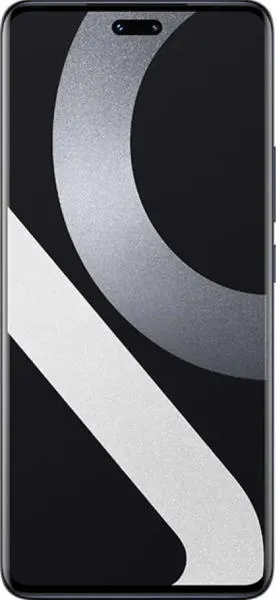
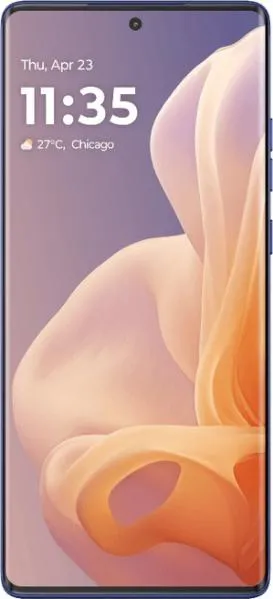
| Feature | Xiaomi 13 Lite | Motorola Moto G85 | Practical Impact |
|---|---|---|---|
| Design | |||
| Dimensions (mm) | 159.2 x 72.7 x 7.2 | 161.9 x 73.1 x 7.6 | Moto G85 is slightly larger and thicker. |
| Weight (g) | 171 | 171 | Identical weight. |
| Display | |||
| Display Type | AMOLED | P-OLED | Both offer vibrant colors and deep blacks. AMOLED generally has higher peak brightness, while P-OLED can be more power efficient. Xiaomi's higher nit value suggests better outdoor visibility. |
| Size (inches) | 6.55 | 6.67 | Moto G85 has a slightly larger display for more immersive content consumption. |
| Resolution | 1080 x 2400 | 1080 x 2400 | Identical resolution, resulting in similar sharpness. |
| Refresh Rate (Hz) | 120 | 120 | Both offer smooth scrolling and animations. |
| Color Depth | 68B | 1B | Moto G85 supports a wider color gamut, potentially offering more nuanced colors. However, the discernible difference in real-world usage might be minimal. |
| HDR | Dolby Vision, HDR10+ | None specified | Xiaomi 13 Lite supports HDR standards for enhanced video quality with compatible content. |
| Peak Brightness (nits) | 1000 | 1600 | Moto G85's significantly higher peak brightness should offer superior readability in direct sunlight. |
| Performance | |||
| Chipset | Snapdragon 7 Gen 1 (4nm) | Snapdragon 6s Gen 3 (6nm) | Xiaomi 13 Lite's 7 Gen 1 provides significantly better performance in demanding tasks and gaming due to its more powerful CPU and GPU. The 4nm process also suggests better power efficiency than the Moto G85's 6nm chip. |
| CPU | Octa-core (1x2.4 GHz A710 & 3x2.36 GHz A710 & 4x1.8 GHz A510) | Octa-core (2x2.3 GHz A78 & 6x2.0 GHz A55) | Xiaomi's CPU configuration provides a superior balance of performance and efficiency. |
| GPU | Adreno 644 | Adreno 619 | Xiaomi 13 Lite has a more powerful GPU, leading to smoother gaming and faster graphics rendering. |
| RAM | 8GB | 12GB | Moto G85 has more RAM, allowing for better multitasking and keeping more apps open in the background. This might be beneficial for heavy users. However, the Xiaomi's superior processor could offset this in real-world performance. |
| Camera | |||
| Main Camera | 50MP Sony IMX766 | 50MP Sony LYT-600 | Both have 50MP sensors. Image quality will depend on processing and lens quality, which isn't fully detailed here. The IMX766 is generally regarded as a high-quality sensor. |
| Ultrawide | 8MP | 8MP | Similar resolution ultrawide cameras. |
| Macro | 2MP | Not specified | Xiaomi has a dedicated macro lens, though 2MP is generally considered low resolution. |
| Selfie | 32MP + 8MP Depth | 32MP | Xiaomi offers a dual selfie camera system, potentially enabling better portrait mode effects. |
| Video | 4K@30fps, 960fps slow-mo | 1080p@60fps | Xiaomi 13 Lite offers 4K video recording and significantly higher slow-motion capabilities. |
| Battery | |||
| Capacity (mAh) | 4500 | 5000 | Moto G85 has a larger battery, likely resulting in longer battery life. |
| Fast Charging | 67W | 30W | Xiaomi 13 Lite charges significantly faster. |
2. Key Differences Analysis
Xiaomi 13 Lite Advantages:
- Significantly faster performance: The Snapdragon 7 Gen 1 offers a substantial performance advantage for demanding tasks and gaming.
- Faster charging: 67W fast charging significantly reduces downtime.
- Higher resolution video recording and slow-motion: Offers more versatile video capabilities.
- Brighter display for outdoor use: While the Moto G85 has a higher peak brightness, the Xiaomi's typical brightness is higher, which is more relevant in day-to-day use.
Motorola Moto G85 Advantages:
- Larger battery: Potentially longer battery life.
- More RAM: Better for heavy multitasking.
- Larger display: More immersive for media consumption.
3. User Profiles & Recommendations
Xiaomi 13 Lite: Ideal for users who prioritize performance, fast charging, and superior camera features, particularly video recording. Suitable for mobile gaming, content creation, and users who value a responsive experience.
Motorola Moto G85: Best for users who prioritize battery life and a large display for media consumption. Suitable for casual users, those who primarily use their phone for browsing, social media, and streaming video.
4. Decision Framework
Key Questions for Buyers:
- What is your budget? (Both are mid-range, but specific pricing should be compared)
- What are your primary use cases? (Gaming, photography, social media, etc.)
- Which features are most important to you? (Performance, battery life, camera quality, display size)
Scenario-Based Recommendations:
- Heavy gamer: Xiaomi 13 Lite
- Casual user focused on battery life: Motorola Moto G85
- Content creator: Xiaomi 13 Lite
- Budget-conscious user who streams a lot of video: Motorola Moto G85
My Choice: Xiaomi 13 Lite
While the Moto G85 offers a larger battery and display, the Xiaomi 13 Lite's superior performance, significantly faster charging, and better camera features, particularly for video, make it the more compelling choice for me. I value a smooth and responsive user experience, and the Snapdragon 7 Gen 1 delivers that. The faster charging is also a major convenience. The Moto G85's larger battery is tempting, but the performance difference would be noticeable in daily use. Ultimately, the Xiaomi 13 Lite offers a better balance of features for my needs.
