1. Specifications Comparison
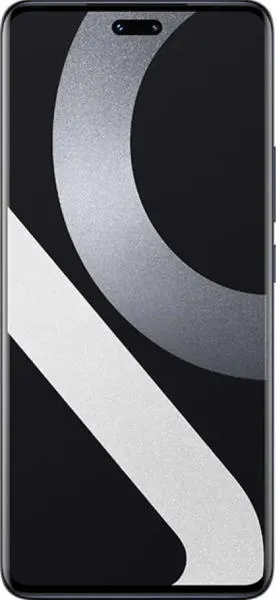
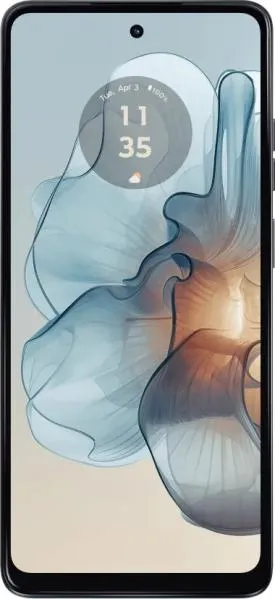
| Feature | Xiaomi 13 Lite | Motorola Moto G24 Power | Practical Impact |
|---|---|---|---|
| Design | |||
| Dimensions (mm) | 159.2 x 72.7 x 7.2 | 163.5 x 74.5 x 9 | The Xiaomi 13 Lite is noticeably thinner and lighter, making it more pocketable and comfortable for one-handed use. |
| Weight (g) | 171 | 197 | The weight difference reinforces the Xiaomi's portability advantage. |
| Display | |||
| Display Type | AMOLED | IPS LCD | AMOLED offers richer colors, deeper blacks, and better power efficiency in dark mode. The Xiaomi's display will likely be more vibrant and pleasing to the eye. |
| Resolution | 1080 x 2400 | 720 x 1612 | The Xiaomi 13 Lite has a significantly sharper display, resulting in clearer text and images. The lower resolution on the Moto G24 Power may appear pixelated to some users. |
| Refresh Rate (Hz) | 120 | 90 | The Xiaomi 13 Lite's 120Hz refresh rate provides smoother scrolling and animations, leading to a more fluid user experience. |
| Peak Brightness (nits) | 1000 | 537 | The Xiaomi 13 Lite can achieve much higher brightness, making it easier to see outdoors in sunlight. |
| Performance | |||
| Chipset | Snapdragon 7 Gen 1 (4nm) | Helio G85 (12nm) | The Snapdragon 7 Gen 1 is a more powerful and efficient chip, offering significantly better performance in demanding tasks and gaming. The 4nm process also contributes to better battery life. |
| CPU | Octa-core (1x2.4 GHz Cortex-A710 & 3x2.36 GHz Cortex-A710 & 4x1.8 GHz Cortex-A510) | Octa-core (2x2.0 GHz Cortex-A75 & 6x1.7 GHz Cortex-A55) | The Xiaomi 13 Lite's CPU architecture is more modern and powerful, resulting in faster app launches, smoother multitasking, and better overall responsiveness. |
| GPU | Adreno 644 | Mali-G52 MC2 | The Adreno 644 offers superior graphics performance compared to the Mali-G52 MC2, resulting in a better gaming experience and smoother performance in graphically intensive applications. |
| RAM (GB) | 8 | 8 | Both phones have the same amount of RAM, ensuring smooth multitasking. |
| Camera | |||
| Main Camera (MP) | 50 (Sony IMX766) | 50 | While both have 50MP main sensors, the Xiaomi utilizes the Sony IMX766, known for its good performance. This suggests potentially better image quality on the Xiaomi. |
| Video Recording | Up to 4K@30fps, 960fps slow-mo | Up to 1080p@30fps, 120fps slow-mo | The Xiaomi 13 Lite supports higher resolution video recording and significantly higher slow-motion frame rates. |
| Battery | |||
| Capacity (mAh) | 4500 | 6000 | The Moto G24 Power boasts a much larger battery capacity, translating to significantly longer battery life. |
| Fast Charging (W) | 67 | 33 | The Xiaomi 13 Lite supports much faster charging, minimizing downtime. |
2. Key Differences Analysis
Xiaomi 13 Lite Advantages:
- Superior Display: AMOLED with higher resolution, refresh rate, and brightness.
- Significantly Better Performance: More powerful and efficient chipset and CPU/GPU.
- Faster Charging: Significantly reduces charging time.
- More Compact and Lightweight Design: Enhanced portability and one-handed usability.
- Higher Quality Camera Sensor and Video Capabilities: Potentially better image and video quality.
Motorola Moto G24 Power Advantages:
- Much Larger Battery: Substantially longer battery life.
- Lower Price: Offers a more budget-friendly option.
3. User Profiles & Recommendations
Xiaomi 13 Lite: Users who prioritize performance, display quality, a premium feel, and faster charging. Ideal for gaming, media consumption, and multitasking.
Motorola Moto G24 Power: Users who prioritize exceptionally long battery life above all else and are on a tight budget. Ideal for users who are away from power outlets for extended periods or have light usage patterns.
4. Decision Framework
Key Questions for Buyers:
- What is your budget? The Moto G24 Power is significantly cheaper.
- What is your primary use case? Gaming and media consumption favor the Xiaomi 13 Lite; basic communication and long battery life favor the Moto G24 Power.
- Which features are most important to you? Prioritize display, performance, and charging speed vs. battery life.
My Choice: Xiaomi 13 Lite
While the Moto G24 Power's battery life is tempting, the Xiaomi 13 Lite offers a significantly better overall user experience. The superior display, performance, and faster charging outweigh the battery life advantage for me. I value a smooth and responsive phone for everyday tasks and occasional gaming, and the Xiaomi 13 Lite delivers that in a more compact and premium package. The difference in price is justifiable considering the substantial performance and feature upgrades. The Moto G24 Power is a solid choice for budget-conscious users with basic needs, but I would personally invest in the Xiaomi 13 Lite for a more enjoyable and future-proof smartphone experience.
