1. Specifications Comparison
| Feature | Xiaomi 13 Lite | Motorola Moto G Stylus 5G (2024) | Practical Impact |
|---|---|---|---|
| Design | |||
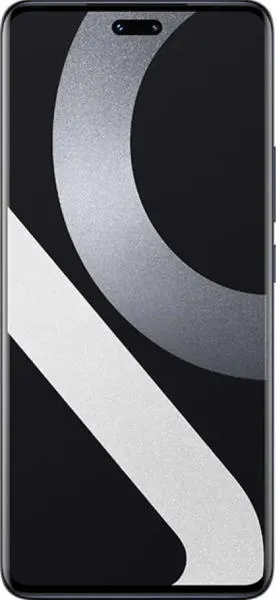
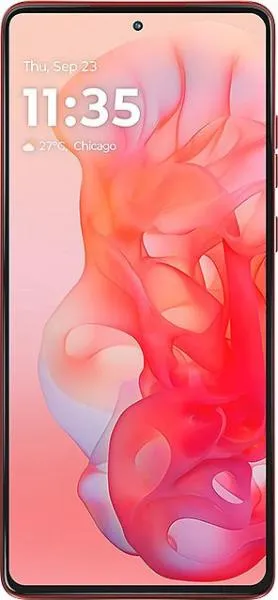
| Dimensions (mm) | 159.2 x 72.7 x 7.2 | 162.6 x 74.8 x 8.3 | Moto G Stylus is larger and thicker. Xiaomi 13 Lite is more pocketable. |
| Weight (g) | 171 | 190 | Xiaomi 13 Lite is noticeably lighter, reducing hand fatigue. |
| Stylus | No | Yes | Moto G Stylus offers precise input for note-taking, drawing, and navigation. |
| Display | |||
| Display Type | AMOLED | pOLED | Both offer vibrant colors and deep blacks. pOLED might be slightly more power efficient. |
| Display Size (inches) | 6.55 | 6.7 | Moto G Stylus has a slightly larger screen for media consumption. |
| Resolution | 1080 x 2400 | 1080 x 2400 | Identical resolution; sharpness is comparable given similar screen sizes. |
| Refresh Rate (Hz) | 120 | 120 | Both offer smooth scrolling and animations. |
| Peak Brightness (nits) | 1000 | 1200 | Moto G Stylus can be brighter outdoors. |
| Color Depth | 68B | 1B | Moto G Stylus supports a wider color gamut, potentially offering more nuanced colors. |
| HDR | Dolby Vision, HDR10+ | None specified | Xiaomi 13 Lite supports wider HDR formats for better video streaming quality. |
| Performance | |||
| Chipset | Snapdragon 7 Gen 1 | Snapdragon 6 Gen 1 | Snapdragon 7 Gen 1 provides better performance for demanding tasks and gaming. |
| CPU | Octa-core (1x2.4 GHz A710 & 3x2.36 GHz A710 & 4x1.8 GHz A510) | Octa-core (4x2.2 GHz A78 & 4x1.8 GHz A55) | Xiaomi 13 Lite has a slightly faster prime core, likely resulting in quicker app launches. |
| GPU | Adreno 644 | Adreno 710 | Adreno 644 generally offers better graphical performance. |
| RAM (GB) | 8 | 8 | Both offer ample RAM for multitasking. |
| OS | Android 12 | Android 14 | Moto G Stylus ships with a newer Android version and has a guaranteed upgrade to Android 15. |
| Camera | |||
| Main Camera (MP) | 50 (Sony IMX766) | 50 | Both have 50MP main sensors. Sony IMX766 on Xiaomi is a known high-performing sensor. |
| Ultrawide (MP) | 8 | 13 | Moto G Stylus has a higher resolution ultrawide camera. |
| Macro (MP) | 2 | Combined with ultrawide | Dedicated macro lens on Xiaomi might offer slightly better close-up shots, though 2MP is low resolution. |
| Selfie (MP) | 32 + 8 (Depth) | 32 | Xiaomi offers a dual selfie camera system with a depth sensor for potentially improved portrait mode. |
| Video | 4K@30fps, 960fps slow-mo | 4K@30fps, 240fps slow-mo | Similar video capabilities, but Xiaomi offers higher frame rate slow-motion. |
| Battery | |||
| Capacity (mAh) | 4500 | 5000 | Moto G Stylus offers a larger battery capacity, potentially resulting in longer battery life. |
| Fast Charging (W) | 67 | 30 | Xiaomi 13 Lite charges significantly faster. |
2. Key Differences Analysis
Xiaomi 13 Lite Advantages:
- Superior Performance: The Snapdragon 7 Gen 1 provides a noticeable performance advantage for demanding tasks and gaming.
- Faster Charging: Significantly faster charging speeds compared to the Moto G Stylus.
- Higher Quality Main Camera Sensor: The Sony IMX766 sensor is known for excellent image quality.
- More Compact and Lighter: Easier to handle and carry.
- Dolby Vision and HDR10+: Enhanced video streaming quality.
Motorola Moto G Stylus 5G (2024) Advantages:
- Integrated Stylus: Unique feature for note-taking, drawing, and precise interactions.
- Larger Battery: Potentially longer battery life.
- Brighter Display: Better visibility in direct sunlight.
- Newer Android Version: Comes with Android 14 and is guaranteed an upgrade to Android 15.
- Wider Color Gamut Display: Potentially more nuanced colors.
3. User Profiles & Recommendations
Xiaomi 13 Lite: Users who prioritize performance, faster charging, a compact design, and high-quality camera capabilities. Ideal for gaming, photography enthusiasts, and those who prefer a lighter, more pocketable phone.
Motorola Moto G Stylus 5G (2024): Users who value the integrated stylus for note-taking, sketching, or creative tasks. Also suitable for users who prioritize battery life and a larger display for media consumption.
4. Decision Framework
Key Questions:
- How important is a stylus? If note-taking or drawing is a priority, the Moto G Stylus is the clear choice.
- Do you prioritize performance or battery life? Xiaomi 13 Lite offers better performance, while Moto G Stylus boasts longer battery life.
- What is your budget? Consider the price difference between the two models and choose the one that offers the best value for your needs.
My Choice: Xiaomi 13 Lite
While the Moto G Stylus offers a unique advantage with its integrated stylus and larger battery, the Xiaomi 13 Lite's superior performance, significantly faster charging, higher-quality main camera sensor, and more compact design make it a more compelling overall package for me. I prioritize a smooth and responsive user experience, and the Snapdragon 7 Gen 1 delivers in that regard. The faster charging is a huge convenience in my daily usage. While I appreciate the longer battery life of the Moto G Stylus, the Xiaomi's faster charging mitigates that advantage to some extent. Finally, I prefer a more compact and lighter phone for portability. The stylus is a niche feature that I wouldn't personally utilize enough to outweigh the Xiaomi's other strengths.
