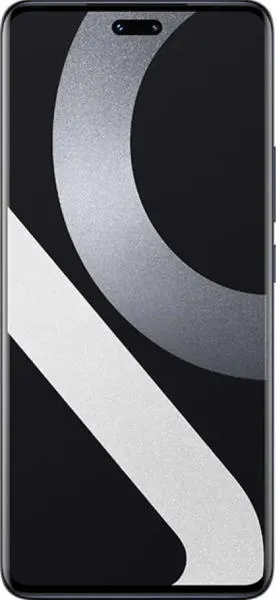
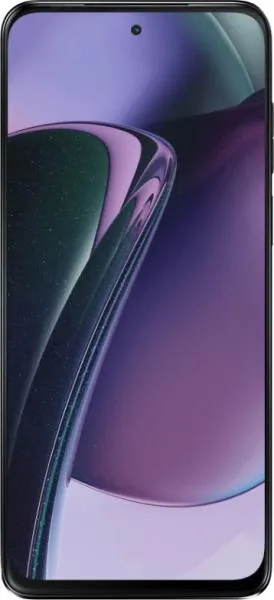
1. Specifications Comparison
| Feature | Xiaomi 13 Lite | Motorola Moto G Stylus 5G (2023) | Practical Impact |
|---|---|---|---|
| Design | |||
| Dimensions (mm) | 159.2 x 72.7 x 7.2 | 162.8 x 73.8 x 9.2 | Xiaomi is noticeably thinner and slightly smaller overall, making it more pocketable. Motorola is thicker and heavier, potentially due to the integrated stylus. |
| Weight (g) | 171 | 202 | Xiaomi is significantly lighter, reducing hand fatigue during extended use. |
| Fingerprint Sensor | Under Display | Side-mounted | Preference-dependent; under-display is often perceived as more modern, side-mounted can be more reliable and quicker to access. |
| Display | |||
| Display Type | AMOLED | IPS LCD | Xiaomi's AMOLED offers richer colors, deeper blacks, and better power efficiency in dark mode. Motorola's IPS LCD may be brighter in direct sunlight. |
| Display Size (inches) | 6.55 | 6.6 | Negligible size difference in practical use. |
| Resolution | 1080 x 2400 | 1080 x 2400 | Identical resolution; sharpness will be similar on both devices. |
| Refresh Rate (Hz) | 120 | 120 | Both offer smooth scrolling and animations thanks to the 120Hz refresh rate. |
| HDR | Dolby Vision, HDR10+ | None specified | Xiaomi supports wider HDR standards, resulting in better video quality on compatible content with improved dynamic range and color accuracy. |
| Performance | |||
| Chipset | Snapdragon 7 Gen 1 | Snapdragon 6 Gen 1 | Xiaomi's 7 Gen 1 offers better performance in demanding tasks and gaming. |
| CPU | Octa-core (1x2.4 GHz A710 & 3x2.36 GHz A710 & 4x1.8 GHz A510) | Octa-core (4x2.2 GHz A78 & 4x1.8 GHz A55) | While both have similar clock speeds, the architecture differences favor the Xiaomi for sustained performance and efficiency. |
| GPU | Adreno 644 | Adreno 710 | Xiaomi's GPU provides a smoother gaming experience and faster graphics rendering. |
| RAM (GB) | 8 | 6/8 (Variant dependent) | More RAM generally ensures smoother multitasking. The comparison is variant-dependent for the Motorola. |
| Camera | |||
| Main Camera (MP) | 50 (Sony IMX766) | 50 (Omnivision OV50A) | Both have 50MP sensors; real-world performance will depend on image processing. Xiaomi uses a known high-quality sensor, the Sony IMX766. |
| Ultrawide (MP) | 8 | 8 + Macro | Similar ultrawide capabilities. Motorola combines ultrawide with a dedicated macro lens, potentially compromising ultrawide quality. |
| Selfie Camera (MP) | 32 + 8 (Depth) | 16 | Xiaomi boasts a higher resolution selfie camera with a dedicated depth sensor for better portrait mode effects. |
| Video Recording | 4K@30fps, 720p@960fps | 4K@30fps | Both record 4K video; Xiaomi offers significantly higher frame rate slow-motion recording (960fps vs. likely lower for Motorola). |
| Battery | |||
| Capacity (mAh) | 4500 | 5000 | Motorola offers a larger battery capacity, potentially translating to longer battery life. |
| Fast Charging (W) | 67 | 20 | Xiaomi supports significantly faster charging, minimizing downtime. |
2. Key Differences Analysis
Xiaomi 13 Lite Advantages:
- Superior Performance: The Snapdragon 7 Gen 1, coupled with the Adreno 644 GPU, offers a significantly better performance for gaming and demanding tasks.
- Faster Charging: 67W fast charging dramatically reduces charging time compared to Motorola's 20W.
- Better Display: AMOLED technology delivers vibrant colors and deeper blacks. Dolby Vision and HDR10+ support enhance video playback quality.
- Higher Resolution Selfie Camera: The dual front camera setup with a 32MP main sensor provides higher quality selfies.
Motorola Moto G Stylus 5G (2023) Advantages:
- Larger Battery: The 5000 mAh battery potentially offers longer usage time between charges.
- Integrated Stylus: Offers precise input for note-taking, sketching, and other tasks.
- Potentially Lower Price: Depending on the specific variant, the Motorola may be more affordable.
Trade-offs:
- Motorola: Sacrifices performance and faster charging for a larger battery and stylus functionality.
- Xiaomi: Has a smaller battery despite faster charging; lacks stylus functionality.
3. User Profiles & Recommendations
Xiaomi 13 Lite: Ideal for users who prioritize performance, a vibrant display, fast charging, and a high-quality camera, particularly for selfies. Suitable for mobile gaming, content consumption, and social media enthusiasts.
Motorola Moto G Stylus 5G (2023): Best suited for users who value battery life, note-taking capabilities, and a more affordable price point. Ideal for students, artists, or anyone who prefers the precision of a stylus for input.
4. Decision Framework
Key Questions for Buyers:
- Is performance a priority? If yes, the Xiaomi 13 Lite is the clear winner.
- How important is battery life? While the Motorola has a larger battery, Xiaomi's fast charging mitigates downtime. Consider individual usage patterns.
- Do you need a stylus? If stylus input is essential, the Motorola is the only option.
My Choice: Xiaomi 13 Lite
While the Motorola Moto G Stylus offers a larger battery and the unique functionality of a stylus, the Xiaomi 13 Lite is the superior device overall for my needs. I prioritize a smooth and responsive user experience, which the Snapdragon 7 Gen 1 delivers. The significantly faster charging, vibrant AMOLED display with HDR support, and superior camera system, especially for selfies, outweigh the benefits of the Motorola's larger battery and stylus. The slimmer and lighter design of the Xiaomi also enhances portability and comfort. While battery life is important, Xiaomi's 67W fast charging sufficiently addresses any concerns about needing to top up frequently. The inclusion of a high-quality Sony IMX766 sensor for the main camera also suggests superior photo quality compared to the Motorola.
