1. Specifications Comparison
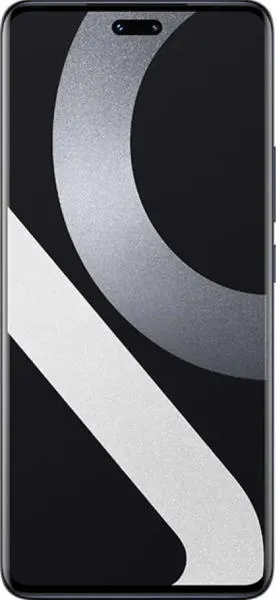
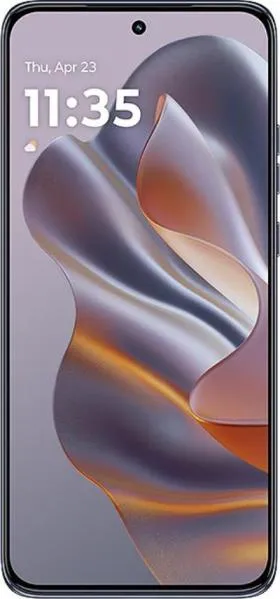
| Feature | Xiaomi 13 Lite | Motorola Edge 50 Neo | Practical Impact |
|---|---|---|---|
| Design | |||
| Dimensions (mm) | 159.2 x 72.7 x 7.2 | 154.1 x 71.2 x 8.1 | Xiaomi is slightly taller and narrower, Motorola is thicker. Real-world difference in hand feel will be minimal. |
| Weight (g) | 171 | 171 | Identical weight, negligible difference in usage. |
| Display | |||
| Display Type | AMOLED | LTPO P-OLED | Motorola's LTPO panel allows for dynamic refresh rate adjustment, potentially saving battery. Both offer vibrant colors and deep blacks. |
| Display Size (inches) | 6.55 | 6.4 | Negligible size difference. |
| Resolution | 1080 x 2400 | 1256 x 2760 | Motorola has a sharper display due to higher resolution and smaller size, resulting in clearer text and images. |
| Refresh Rate (Hz) | 120 | 120 | Both offer smooth scrolling and animations. |
| Peak Brightness (nits) | 1000 | 3000 | Motorola's significantly higher peak brightness provides better outdoor visibility. |
| Performance | |||
| Chipset | Snapdragon 7 Gen 1 | Dimensity 7300 | Both are mid-range chipsets. Dimensity 7300 is newer and generally benchmarks slightly higher, potentially offering smoother performance. |
| CPU | Octa-core | Octa-core | Specific core configurations differ, but both aim for a balance of performance and efficiency. Real-world differences may be minor. |
| GPU | Adreno 644 | Mali-G615 MC2 | Both GPUs are capable for everyday tasks and gaming. Performance differences likely minor and application-specific. |
| RAM (GB) | 8 | 8/12 | Motorola offers a 12GB RAM option, beneficial for heavy multitasking and future-proofing. |
| OS | Android 12 | Android 14 | Motorola comes with a newer Android version, offering potential feature and security advantages. Longer OS support likely. |
| Camera | |||
| Main Camera (MP) | 50 | 50 | Both have 50MP main sensors. Image quality will depend on sensor and processing, not just megapixel count. Data is insufficient to judge. |
| Ultrawide (MP) | 8 | 13 | Motorola offers a higher resolution ultrawide. |
| Other Lenses | Macro | Telephoto, Macro | Motorola's telephoto lens provides optical zoom, a significant advantage for versatility. |
| Battery | |||
| Capacity (mAh) | 4500 | 4310 | Xiaomi has a slightly larger battery. Actual battery life depends on usage and optimization. |
| Fast Charging (W) | 67 | 68 | Negligible difference in charging speeds. |
2. Key Differences Analysis
Xiaomi 13 Lite Advantages:
- Slightly larger battery capacity.
- Dolby Vision support for enhanced HDR video playback.
Motorola Edge 50 Neo Advantages:
- Sharper display with higher resolution and peak brightness.
- Newer Android version with potentially longer support.
- More versatile camera system with telephoto lens.
- LTPO display for potential power savings.
- Higher RAM configuration available (12GB).
- Slightly faster charging.
3. User Profiles & Recommendations
Xiaomi 13 Lite: Users prioritizing battery life and Dolby Vision video playback.
Motorola Edge 50 Neo: Users prioritizing display quality, camera versatility, and latest software with longer update cycles. Suitable for those who value future-proofing and heavy multitasking with the 12GB RAM option.
4. Decision Framework
Key Questions:
- What is your budget? (Consider price differences between RAM/storage variants)
- What are your top priorities? (e.g., camera, display, battery life, software updates)
- How important is future-proofing? (Motorola's newer OS and higher RAM option are advantages here)
Scenario-Based Recommendations:
- Limited Budget, Battery Focused: Xiaomi 13 Lite
- Best Overall Value, Future-Proofing: Motorola Edge 50 Neo (12GB RAM variant if affordable)
- Photography Enthusiast: Motorola Edge 50 Neo due to telephoto lens
My Choice: Motorola Edge 50 Neo
Reasons:
The Motorola Edge 50 Neo offers a compelling combination of a sharper, brighter display, a more versatile camera system with a telephoto lens, a newer Android version with likely longer support, and the availability of a 12GB RAM option for future-proofing. While the Xiaomi 13 Lite has a slightly larger battery and Dolby Vision, the advantages offered by the Edge 50 Neo in display, camera, and software updates outweigh those differences for me. The inclusion of an LTPO display could potentially offset the smaller battery capacity in real-world usage. I prioritize a future-proof device with a great screen and versatile camera, making the Edge 50 Neo the preferred choice.
