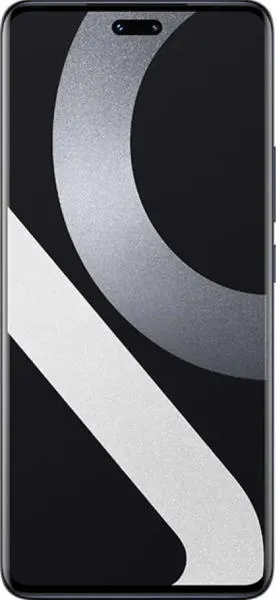
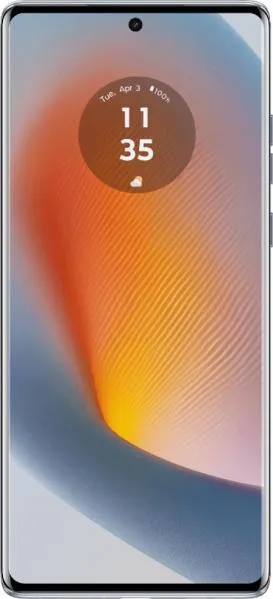
1. Specifications Comparison
| Feature | Xiaomi 13 Lite | Motorola Edge 50 Fusion | Practical Impact |
|---|---|---|---|
| Design | |||
| Dimensions (mm) | 159.2 x 72.7 x 7.2 | 161.9 x 73.1 x 7.9 | Edge 50 Fusion is slightly larger and thicker. |
| Weight (g) | 171 | 174.9 | Negligible weight difference in real-world usage. |
| Display | |||
| Display Type | AMOLED | P-OLED | Both offer excellent contrast and vivid colors. P-OLED potentially offers better power efficiency. |
| Display Size (inches) | 6.55 | 6.7 | Edge 50 Fusion offers a slightly larger screen for more immersive content consumption. |
| Resolution | 1080 x 2400 | 1080 x 2400 | Identical resolution; sharpness will be similar due to the slight size difference. |
| Refresh Rate (Hz) | 120 | 120/144 (INT) | Smoother scrolling and animations on both, with the Edge 50 Fusion potentially offering even smoother performance in some regions. |
| Peak Brightness (nits) | 1000 | 1600 | Edge 50 Fusion will be significantly more visible in direct sunlight. |
| Color Depth | 68B | 1B | Edge 50 Fusion capable of displaying a wider range of colors, resulting in more nuanced and realistic visuals. |
| Performance | |||
| Chipset | Snapdragon 7 Gen 1 | Snapdragon 7s Gen 2 | 7s Gen 2 offers a slight performance improvement over the 7 Gen 1 in CPU and GPU tasks. |
| CPU | Octa-core (1x2.4 GHz A710 & 3x2.36 GHz A710 & 4x1.8 GHz A510) | Octa-core (4x2.4 GHz A78 & 4x1.95 GHz A55) | Both offer good performance for everyday tasks and moderate gaming. Architectural differences may favor the 7s Gen 2 in sustained performance. |
| GPU | Adreno 644 | Adreno 710 | 710 offers better graphics performance, benefiting gaming and visually demanding applications. |
| RAM (GB) | 8 | 8 | Equal RAM capacity should provide similar multitasking capabilities. |
| OS | Android 12 | Android 14 | Edge 50 Fusion comes with a newer OS version, offering potential feature and security advantages, as well as longer software support. |
| Camera | |||
| Main Camera (MP) | 50 (Sony IMX766) | 50 (Sony LYT-700C) | Both utilize 50MP sensors; image quality will depend on processing and lens quality. Specific sensor differences unknown without further information. |
| Ultrawide/Macro (MP) | 8/2 | 13 (Combined Ultrawide and Macro) | Edge 50 Fusion offers a higher resolution ultrawide and combines it with macro functionality. Xiaomi 13 Lite has a dedicated, albeit lower resolution, macro lens. |
| Selfie Camera (MP) | 32 + 8 (Depth) | 32 | Xiaomi offers a dual selfie camera setup, including a depth sensor for potentially better portrait mode effects. |
| Video Recording | Up to 4K@30fps, 960fps slow-mo | Up to 4K@30fps with EIS, 960fps slow-mo | Both offer similar video resolution and slow-motion capabilities. Edge 50 Fusion benefits from Electronic Image Stabilization (EIS) for smoother video footage. |
| Battery | |||
| Capacity (mAh) | 4500 | 5000 | Larger battery in the Edge 50 Fusion likely translates to longer battery life. |
| Fast Charging (W) | 67 | 68 | Negligible difference in charging speeds. |
2. Key Differences Analysis
Xiaomi 13 Lite Advantages:
- Lighter and more compact: Potentially more comfortable for one-handed use.
- Dual selfie camera: May offer better portrait mode effects.
- Dolby Vision and HDR10+ support: Enhanced video playback quality.
Motorola Edge 50 Fusion Advantages:
- Larger and brighter display: More immersive content consumption experience, especially outdoors.
- Newer and more powerful chipset & GPU: Improved performance for demanding tasks and gaming.
- Larger battery: Longer battery life.
- Newer Android version: Latest features, enhanced security, and longer software support.
- Electronic Image Stabilization (EIS): Smoother video recording.
- Higher resolution ultrawide camera: Captures more detail in wider shots.
3. User Profiles & Recommendations
Xiaomi 13 Lite: Users prioritizing a compact and lightweight phone with good display quality for media consumption. Suitable for users who value a dual selfie camera for better portraits.
Motorola Edge 50 Fusion: Users who prioritize performance, battery life, a large and bright display, and the latest software features. Suitable for power users, mobile gamers, and those who frequently use their phones outdoors.
4. Decision Framework
Key Questions for Buyers:
- How important is portability and one-handed use?
- What is your primary usage (media consumption, gaming, productivity)?
- How much value do you place on software updates and future-proofing?
Scenario-Based Recommendations:
- Heavy user needing long battery life and performance: Motorola Edge 50 Fusion.
- User prioritizing a compact phone with a great display for media: Xiaomi 13 Lite.
- User on a budget looking for the best value: This depends on individual pricing in your region. Consider overall features and prioritize based on your needs.
My Choice: Motorola Edge 50 Fusion
While the Xiaomi 13 Lite offers a more compact design and potentially better portrait selfies, the Motorola Edge 50 Fusion presents a more compelling overall package. The newer processor, larger and brighter display, significantly bigger battery, longer software support commitment with Android 14 and beyond, and the inclusion of EIS for video recording make it a more future-proof and versatile device. The improved ultrawide camera also adds significant value. For my personal use, which includes gaming, media consumption, and productivity, the performance and longevity offered by the Edge 50 Fusion outweigh the benefits of the 13 Lite's smaller form factor.
