1. Specifications Comparison
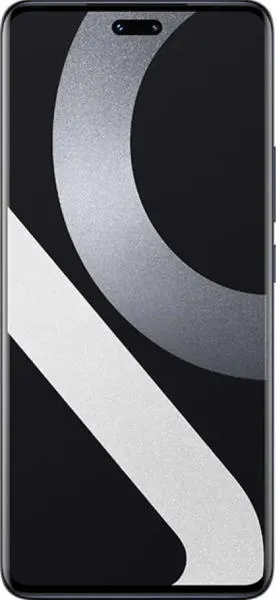
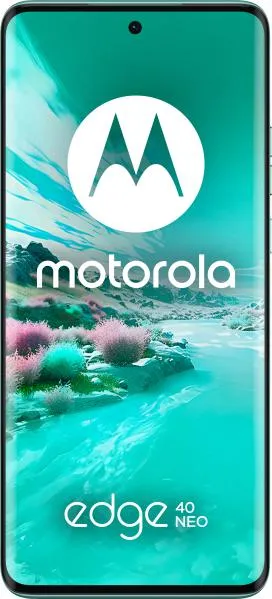
| Feature | Xiaomi 13 Lite | Motorola Edge 40 Neo | Practical Impact |
|---|---|---|---|
| Design | |||
| Dimensions (mm) | 159.2 x 72.7 x 7.2 | 159.6 x 72 x 7.9 | Edge 40 Neo slightly taller and thicker |
| Weight (g) | 171 | 170 | Negligible weight difference |
| Build | Unspecified | Unspecified | Build quality and materials unknown for comparison |
| Display | |||
| Display Type | AMOLED | pOLED | AMOLED generally offers higher brightness; pOLED may have better power efficiency |
| Size (inches) | 6.55 | 6.55 | Same screen size |
| Resolution | 1080 x 2400 | 1080 x 2400 | Same resolution and sharpness |
| Refresh Rate (Hz) | 120 | 144 | Edge 40 Neo offers smoother scrolling and animations |
| Peak Brightness (nits) | 1000 | 1300 | Edge 40 Neo significantly brighter for better outdoor visibility |
| Color Depth | 68B | 1B | Edge 40 Neo capable of displaying more colors, resulting in smoother color gradients |
| HDR Support | Dolby Vision, HDR10+ | HDR10+ | Xiaomi supports Dolby Vision for potentially better HDR content playback |
| Performance | |||
| Chipset | Snapdragon 7 Gen 1 (4nm) | Dimensity 7030 (6nm) | Snapdragon 7 Gen 1 generally considered slightly more powerful, but real-world difference may be minimal |
| CPU | Octa-core (1x2.4 GHz A710 & 3x2.36 GHz A710 & 4x1.8 GHz A510) | Octa-core (2x2.5 GHz A78 & 6x2.0 GHz A55) | Different core configurations; performance differences dependent on specific tasks |
| GPU | Adreno 644 | Mali-G610 MC3 | Adreno 644 generally better for gaming; Mali-G610 more power-efficient |
| RAM (GB) | 8 | 12 | Edge 40 Neo has more RAM for better multitasking |
| Camera | |||
| Rear Camera | 50MP (wide) + 8MP (ultrawide) + 2MP (macro) | 50MP (wide) + 13MP (ultrawide/macro) | Edge 40 Neo offers a more versatile ultrawide/macro combo camera |
| Front Camera | 32MP + 8MP (depth) | 32MP | Xiaomi has dual front cameras; practical benefit of depth sensor unclear |
| Video Recording | Up to 4K@30fps, 720p@960fps | Up to 4K@30fps, 1080p@240fps, with EIS | Both offer 4K recording; Edge 40 Neo offers better slow-mo and EIS at various resolutions |
| Battery | |||
| Capacity (mAh) | 4500 | 5000 | Edge 40 Neo has larger battery for potentially longer battery life |
| Fast Charging | 67W | 68W | Negligible difference in charging speed |
2. Key Differences Analysis
Xiaomi 13 Lite Advantages:
- Dolby Vision: Enhanced HDR experience for compatible content.
- Dual Front Camera: Potentially better portrait selfies (depth sensor impact unclear).
Motorola Edge 40 Neo Advantages:
- Higher Refresh Rate Display: Smoother scrolling and animations.
- Brighter Display: Better outdoor visibility.
- More RAM: Improved multitasking performance.
- Larger Battery: Potentially longer battery life.
- More Versatile Ultrawide Camera: Combined ultrawide and macro lens offers greater flexibility.
- Wider Color Gamut: Smoother transitions between colors on the display.
- Electronic Image Stabilization (EIS) in Video Recording: Smoother video footage.
- More updated software with longer support: Android 13 out of the box with update to 15 guaranteed.
3. User Profiles & Recommendations
Xiaomi 13 Lite: Users prioritizing Dolby Vision content consumption and potentially better portrait selfies.
Motorola Edge 40 Neo: Users prioritizing smoother performance, brighter display, longer battery life, a more versatile camera system, and latest software with longer update guarantee. Gamers would also appreciate the higher refresh rate display.
4. Decision Framework
Key Questions:
- Is Dolby Vision a must-have? If yes, Xiaomi 13 Lite is the only option.
- How important is battery life and screen brightness? Edge 40 Neo offers a clear advantage here.
- Is having the latest software and longer support crucial? The Motorola Edge 40 Neo is superior in this regard.
My Choice: Motorola Edge 40 Neo
The Motorola Edge 40 Neo offers a more compelling overall package. While the Xiaomi 13 Lite has Dolby Vision, the Edge 40 Neo's advantages in display quality (brightness, refresh rate, wider color gamut), performance (RAM), camera versatility (ultrawide/macro combo), battery life, and software support outweigh this single benefit for me. The Edge 40 Neo provides a more well-rounded user experience for a broader range of users. The updated software and guarantee for future updates ensures a longer lifespan for the device as well.
