1. Specifications Comparison
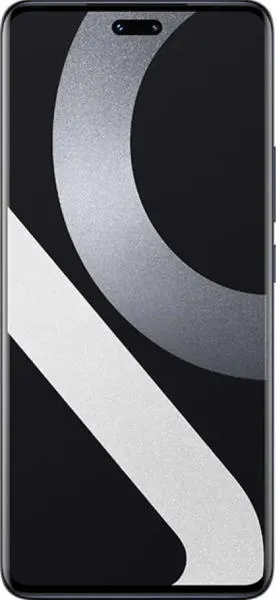
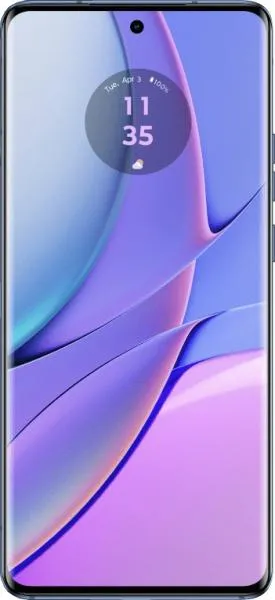
| Feature | Xiaomi 13 Lite | Motorola Edge 40 | Practical Impact |
|---|---|---|---|
| Design | |||
| Dimensions (mm) | 159.2 x 72.7 x 7.2 | 158.4 x 72 x 7.6 | Xiaomi is slightly taller and thinner, Motorola slightly thicker. Negligible difference in everyday use. |
| Weight (g) | 171 | 167 | Motorola is marginally lighter, unlikely to be noticeable. |
| Display | |||
| Display Type | AMOLED | P-OLED | Both offer vibrant colors and deep blacks. P-OLED potentially offers better power efficiency and slightly faster response times. |
| Refresh Rate (Hz) | 120 | 144 | Motorola's higher refresh rate results in smoother animations and scrolling, especially noticeable in gaming and fast-paced content. |
| Peak Brightness (nits) | 1000 | 1200 | Motorola's higher peak brightness provides better visibility in direct sunlight. |
| HDR Support | Dolby Vision, HDR10+ | HDR10+ | Xiaomi supports Dolby Vision, offering potentially better HDR performance in supported content. |
| Performance | |||
| Chipset | Snapdragon 7 Gen 1 (4nm) | Dimensity 8020 (6nm) | Both offer good mid-range performance. Dimensity 8020 benchmarks slightly higher in some areas, but real-world difference might be minimal. |
| CPU | Octa-core (1x2.4 GHz A710 & 3x2.36 GHz A710 & 4x1.8 GHz A510) | Octa-core (4x2.6 GHz A78 & 4x2.0 GHz A55) | Specific core configurations suggest potential advantages for Dimensity 8020 in sustained performance. |
| GPU | Adreno 644 | Mali-G77 MC9 | Both GPUs are capable for gaming, but Adreno 644 generally has better driver optimization and developer support. |
| RAM (GB) | 8 | 8 | Same RAM capacity, ensuring smooth multitasking on both devices. |
| OS | Android 12 | Android 13 | Motorola comes with a newer Android version out-of-the-box, offering potential feature and security advantages. Motorola also guarantees more OS updates. |
| Camera | |||
| Main Camera (MP) | 50 (Sony IMX766) | 50 (Omnivision OV50A) | Both have 50MP sensors. Image quality will depend on processing. Xiaomi uses a well-regarded Sony sensor. |
| Aperture (Main) | f/1.8 | f/1.4 | Motorola's wider aperture allows more light, potentially leading to better low-light performance. |
| Ultrawide (MP) | 8 | 13 | Motorola offers a higher resolution ultrawide camera. |
| Optical Stabilization | No | Yes | Motorola's optical image stabilization will result in significantly smoother videos and sharper low-light photos. |
| Battery | |||
| Capacity (mAh) | 4500 | 4400 | Xiaomi has a slightly larger battery capacity, potentially offering slightly longer battery life. |
| Fast Charging (W) | 67 | 68 | Negligible difference in charging speeds. |
2. Key Differences Analysis
Xiaomi 13 Lite Advantages:
- Dolby Vision: Enhanced HDR experience in supported content.
- Slightly larger battery: Potentially longer battery life.
- Potentially better GPU performance: Smoother gaming experience depending on the title.
Motorola Edge 40 Advantages:
- Higher refresh rate display: Smoother overall user experience.
- Brighter display: Better outdoor visibility.
- Newer Android version with longer update support: Access to latest features and enhanced security, longer software support lifespan.
- Wider aperture main camera with OIS: Better low-light photography and video stabilization.
- Higher resolution ultrawide camera: More detailed wide-angle shots.
3. User Profiles & Recommendations
Xiaomi 13 Lite: Users prioritizing Dolby Vision content consumption, slightly longer battery life.
Motorola Edge 40: Users prioritizing a smoother display experience, better camera performance (especially in low light and video), and longer software update support. Gamers might also prefer the higher refresh rate, but GPU differences should be researched on a per-game basis.
4. Decision Framework
Key Questions for Buyers:
- How important is display quality and smoothness? (Motorola has advantages here)
- Is camera performance a priority, especially low-light and video? (Motorola excels)
- How important is long-term software support and the latest Android features? (Motorola is the better choice)
My Choice: Motorola Edge 40
The Motorola Edge 40 offers a more compelling overall package for me. The combination of a higher refresh rate display, brighter screen, superior camera system with OIS, a newer Android version with guaranteed updates to Android 15, and a comparable price makes it a more future-proof and versatile device. While the Xiaomi 13 Lite has a slightly larger battery and Dolby Vision, the advantages offered by the Motorola Edge 40 in key areas like display, camera, and software outweigh those minor benefits. The smoother user experience, better camera versatility, and longer software support are more significant factors in my decision.
