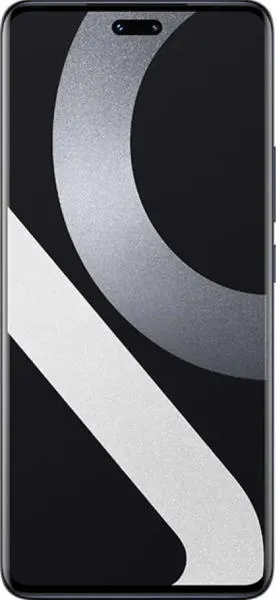
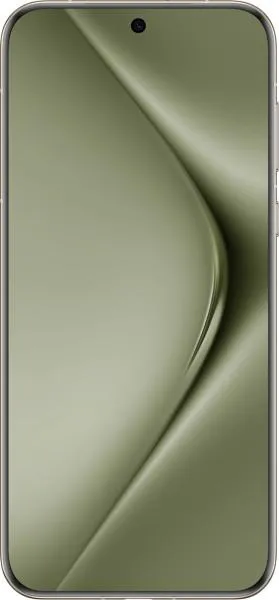
1. Specifications Comparison
| Feature | Xiaomi 13 Lite | Huawei Pura 70 Ultra | Practical Impact |
|---|---|---|---|
| Design | |||
| Dimensions (mm) | 159.2 x 72.7 x 7.2 | 162.6 x 75.1 x 8.4 | The Huawei phone is larger and thicker. |
| Weight (g) | 171 | 226 | The Xiaomi is significantly lighter, more comfortable for one-handed use and extended periods. |
| Display | |||
| Size (inches) | 6.55 | 6.8 | Huawei offers a larger screen for more immersive media consumption. |
| Resolution | 1080 x 2400 | 1260 x 2844 | Huawei has a slightly higher resolution, but the difference in sharpness might be negligible in real-world use due to similar PPI. |
| Type | AMOLED | LTPO OLED | Huawei's LTPO OLED allows for dynamic refresh rate adjustment, potentially saving battery life. |
| Refresh Rate (Hz) | 120 | 120 | Both offer smooth scrolling and animations. |
| Peak Brightness (nits) | 1000 | 2500 | Huawei's significantly higher peak brightness ensures better visibility in direct sunlight. |
| Color Depth | 68B | 1B | Huawei boasts a wider color gamut for more accurate and vibrant colors. |
| Performance | |||
| Chipset | Snapdragon 7 Gen 1 | Kirin 9010 | Kirin 9010 is likely more powerful, but real-world performance depends on optimization. Missing GPU frequency for both limits detailed comparison. |
| CPU | Octa-core (1x2.4 GHz A710 & 3x2.36 GHz A710 & 4x1.8 GHz A510) | Octa-core (1x2.3 GHz Taishan Big & 3x2.18 GHz Taishan Mid & 4x1.55 GHz A510) | Specific core configurations suggest different performance profiles. More detailed benchmarks needed for accurate comparison. |
| RAM (GB) | 8 | 16 | Huawei offers double the RAM, enabling smoother multitasking and better handling of demanding applications. |
| Storage (GB) | Up to 256 | Up to 1000 | Huawei offers significantly more storage for users with large media libraries or who install many apps. |
| Camera | |||
| Main Camera (MP) | 50 (Sony IMX766) | 50 (Sony IMX989) | Both use high-quality Sony sensors, but the IMX989 in the Huawei generally has a larger sensor size for improved low-light performance and depth of field. |
| Ultrawide (MP) | 8 | 40 | Huawei offers a much higher resolution ultrawide camera for detailed wide shots. |
| Telephoto (MP) | N/A | 50 | Huawei includes a dedicated telephoto lens for optical zoom, absent in the Xiaomi. |
| Selfie (MP) | 32 | 13 | Xiaomi has a higher resolution selfie camera. |
| Battery | |||
| Capacity (mAh) | 4500 | 5200 | Huawei provides longer battery life. |
| Fast Charging (W) | 67 | 100 | Huawei supports significantly faster charging, minimizing downtime. |
| Wireless Charging | No | Yes (80W) | Huawei offers fast wireless charging, a premium convenience feature. |
2. Key Differences Analysis
Xiaomi 13 Lite Advantages:
- Lighter and More Compact: Significantly easier to handle and carry.
- More Affordable: Offers good value for its price range.
- Higher Resolution Selfie Camera: Better for video calls and self-portraits.
Huawei Pura 70 Ultra Advantages:
- Superior Display: Larger, brighter, and with better color reproduction.
- More Powerful Performance: Higher RAM, larger storage, and a potentially more powerful processor.
- More Versatile Camera System: Dedicated telephoto lens for optical zoom and higher resolution ultrawide.
- Larger Battery and Faster Charging: Longer usage time and quicker replenishment.
- Wireless and Reverse Charging: Added convenience for power users.
Trade-offs:
- Price: Huawei is significantly more expensive.
- Size and Weight: Huawei's larger size and weight might be less comfortable for some.
3. User Profiles & Recommendations
Xiaomi 13 Lite: Suitable for budget-conscious users who prioritize a lightweight and compact phone for everyday tasks like social media, browsing, and casual photography.
Huawei Pura 70 Ultra: Ideal for power users and photography enthusiasts who demand top-tier performance, a stunning display, a versatile camera system, and long battery life.
4. Decision Framework
Key Questions:
- What is your budget? The Huawei is significantly more expensive.
- What are your primary use cases? (e.g., gaming, photography, social media)
- Do you prioritize portability and one-handed use?
My Choice:
I would choose the Huawei Pura 70 Ultra. While significantly more expensive, the superior display, more powerful performance, versatile camera system with a dedicated telephoto lens, larger battery with faster and wireless charging, and expansive storage make it a more compelling device for my needs. I prioritize a smooth user experience, high-quality photography, and long battery life, and I am willing to pay a premium for these features. The added weight is a minor trade-off for the substantial benefits. While the Xiaomi 13 Lite is a good value option, the Huawei offers a noticeable upgrade in key areas that I value.
