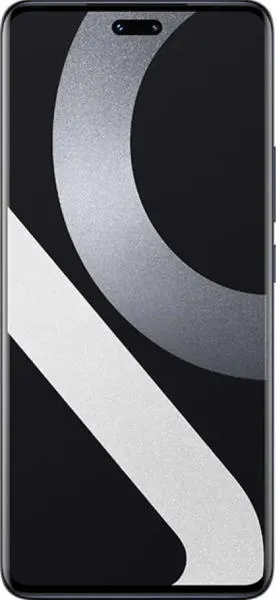
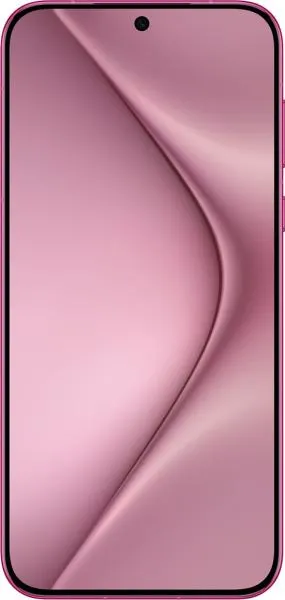
1. Specifications Comparison
| Feature | Xiaomi 13 Lite | Huawei Pura 70 | Practical Impact |
|---|---|---|---|
| Design | |||
| Dimensions (mm) | 159.2 x 72.7 x 7.2 | 157.6 x 74.3 x 8 | Xiaomi is slightly taller and thinner. Huawei is slightly wider and thicker. Negligible difference in everyday use. |
| Weight (g) | 171 | 207 | Xiaomi is noticeably lighter, more comfortable for extended use and one-handed operation. |
| Display | |||
| Size (inches) | 6.55 | 6.6 | Negligible difference in screen real estate. |
| Resolution | 1080 x 2400 | 1256 x 2760 | Huawei has a sharper display with higher pixel density, resulting in clearer text and images. |
| Type | AMOLED | LTPO OLED | Both offer vibrant colors and deep blacks. Huawei's LTPO panel allows for dynamic refresh rate adjustment, potentially saving battery. |
| Refresh Rate (Hz) | 120 | 120 | Both offer smooth scrolling and animations. |
| Peak Brightness (nits) | 1000 | 2500 | Huawei's significantly higher peak brightness ensures better visibility outdoors and in bright sunlight. |
| Performance | |||
| Chipset | Snapdragon 7 Gen 1 | Kirin 9000S1 | Huawei's Kirin processor is generally considered more powerful, especially for demanding tasks and gaming. |
| CPU | Octa-core (details provided) | Octa-core (lacks detailed specs) | Xiaomi's detailed CPU information allows for better performance analysis. Without specifics on Huawei's CPU, a direct comparison is limited. |
| GPU | Adreno 644 | Maleoon 910 | Huawei's GPU is likely more powerful, but concrete gaming benchmarks are needed for a definitive comparison. |
| RAM (GB) | 8 | 12 | Huawei offers more RAM, enabling better multitasking and smoother performance with multiple apps open. |
| Camera | |||
| Main Camera (MP) | 50 (Sony IMX766) | 50 (Omnivision OV50H) | Both have high-resolution sensors. Real-world image quality will depend on processing and software. |
| Aperture | f/1.8 | f/1.4 | Huawei's wider aperture allows for better low-light performance and greater depth of field. |
| Ultrawide (MP) | 8 | 13 | Huawei offers a higher resolution ultrawide camera. |
| Telephoto | No | 12MP with 3.5x Optical Zoom | Huawei offers a dedicated telephoto lens for optical zoom, absent in the Xiaomi. Significant advantage for capturing distant subjects. |
| Battery | |||
| Capacity (mAh) | 4500 | 4900 | Huawei has a slightly larger battery, potentially offering longer battery life. |
| Fast Charging (W) | 67 | 65 | Negligible difference in charging speed. |
| Wireless Charging | No | 50W + 7.5W Reverse | Huawei offers fast wireless charging and reverse wireless charging, a significant advantage. |
2. Key Differences Analysis
Xiaomi 13 Lite Advantages:
- Lighter and More Compact: More comfortable for one-handed use and extended periods.
- More Affordable: Typically priced lower than the Huawei Pura 70.
Huawei Pura 70 Advantages:
- More Powerful: Kirin 9000S1 processor and higher RAM provide superior performance.
- Sharper Display: Higher resolution and brighter screen.
- Superior Camera System: Wider aperture for better low-light photography, dedicated telephoto lens, and higher resolution ultrawide.
- Wireless Charging: Convenient charging option and reverse wireless charging for powering other devices.
- LTPO Display: More power efficient.
3. User Profiles & Recommendations
Xiaomi 13 Lite:
- Budget-conscious users: Prioritize affordability without sacrificing core features.
- Casual users: Primarily use their phone for social media, browsing, and light gaming.
- Users who value lightness and portability: Prefer a phone that is easy to carry and hold.
Huawei Pura 70:
- Power users: Demand top-tier performance for gaming, demanding apps, and multitasking.
- Photography enthusiasts: Prioritize a versatile camera system with telephoto capabilities and excellent low-light performance.
- Users who value convenience: Appreciate wireless charging and reverse wireless charging.
4. Decision Framework
Key Questions for Buyers:
- What is your budget? The Xiaomi 13 Lite offers excellent value for its price, while the Huawei Pura 70 commands a premium.
- What are your primary use cases? Casual users might find the Xiaomi sufficient, while power users and photography enthusiasts will appreciate the Huawei's capabilities.
- Which features are most important to you? Consider priorities like portability, performance, camera quality, and charging convenience.
My Choice: Huawei Pura 70
While the Xiaomi 13 Lite is a compelling option for its price, the Huawei Pura 70 offers a significantly more powerful and versatile package. The superior camera system with a telephoto lens, the brighter and sharper LTPO display, faster wireless charging, and the overall performance advantage of the Kirin 9000S1 make it the clear winner for me. I prioritize performance, a great camera, and convenient features, and am willing to pay the premium for the Huawei Pura 70 to get them. The lighter weight of the Xiaomi is tempting, but the overall benefits of the Huawei outweigh that single advantage for my personal needs.
