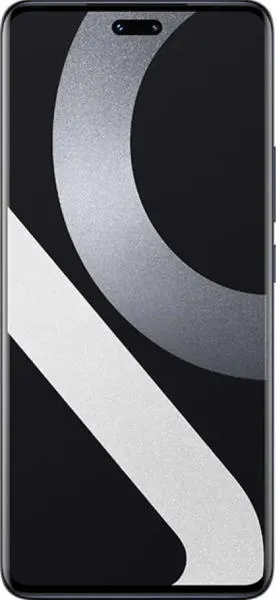
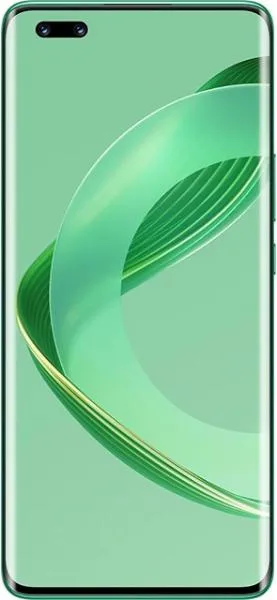
1. Specifications Comparison
| Feature | Xiaomi 13 Lite | Huawei nova 11 Pro | Practical Impact |
|---|---|---|---|
| Design | |||
| Dimensions (mm) | 159.2 x 72.7 x 7.2 | 164.3 x 74.4 x 7.9 | Nova 11 Pro is noticeably taller and slightly wider and thicker. Xiaomi 13 Lite is more pocketable. |
| Weight (g) | 171 | 188 | Xiaomi 13 Lite is lighter, reducing hand fatigue during extended use. |
| Display | |||
| Size (inches) | 6.55 | 6.78 | Nova 11 Pro offers a larger screen for more immersive media consumption. |
| Resolution | 1080 x 2400 | 1200 x 2652 | Nova 11 Pro has a slightly sharper display, but the difference might not be noticeable in everyday use. Both have ample resolution for sharp text and images. |
| Refresh Rate (Hz) | 120 | 120 | Both phones offer smooth scrolling and animations thanks to the 120Hz refresh rate. |
| Display Type | AMOLED | OLED | Both offer vibrant colors and deep blacks. Xiaomi supports Dolby Vision and HDR10+ for potentially better HDR performance. |
| Peak Brightness (nits) | 1000 | 950 | Xiaomi 13 Lite might be slightly more visible in direct sunlight. |
| Performance | |||
| Chipset | Snapdragon 7 Gen 1 | Snapdragon 778G 4G | Snapdragon 7 Gen 1 generally offers better performance and efficiency than the 778G. |
| CPU | Octa-core (1x2.4 GHz A710 & 3x2.36 GHz A710 & 4x1.8 GHz A510) | Octa-core (4x2.4 GHz Kryo 670 & 4x1.8 GHz Kryo 670) | Xiaomi 13 Lite has a more modern CPU architecture, potentially leading to faster app loading and multitasking. |
| GPU | Adreno 644 | Adreno 642L | Adreno 644 provides a performance advantage in graphically demanding tasks and games. |
| RAM (GB) | 8 | We have data for 6GB, 8GB, and 12GB versions | More RAM generally allows for smoother multitasking. We need the specific RAM of the Nova 11 Pro in question to make a direct comparison. |
| Camera | |||
| Main Camera (MP) | 50 (Sony IMX766) | 50 | Both have 50MP main sensors. Xiaomi using the IMX766 sensor suggests potentially better low-light performance and overall image quality. |
| Selfie Camera (MP) | 32 + 8 (Depth) | 60 + 8 (Depth) | Nova 11 Pro boasts a higher resolution selfie camera, but megapixels alone don't determine image quality. |
| Video Recording | Up to 4K@30fps, 720p@960fps | Up to 720p@960fps | Xiaomi offers more versatile video recording options, including 4K resolution. |
| Battery | |||
| Capacity (mAh) | 4500 | 4500 | Both phones have the same battery capacity. |
| Fast Charging (W) | 67 | 100 | Nova 11 Pro significantly faster charging speeds. |
2. Key Differences Analysis
Xiaomi 13 Lite Advantages:
- Superior Performance: The Snapdragon 7 Gen 1 and Adreno 644 offer a noticeable performance advantage for demanding tasks and gaming.
- Potentially Better Main Camera: The Sony IMX766 sensor is known for good performance.
- More Compact and Lightweight: Easier to handle and carry.
- More Video Recording Options: Includes 4K recording.
- Dolby Vision and HDR10+ support: Potentially better HDR experience
Huawei nova 11 Pro Advantages:
- Faster Charging: 100W fast charging significantly reduces charging time.
- Larger Display: More immersive for media consumption.
- Higher Resolution Selfie Camera: Potentially better for detailed selfies (though sensor quality is also crucial).
3. User Profiles & Recommendations
Xiaomi 13 Lite: Ideal for users who prioritize performance, a compact form factor, a good main camera, and value for money. Suitable for gaming, photography enthusiasts, and those who prefer a more pocketable phone.
Huawei nova 11 Pro: Best suited for users who prioritize a large display, extremely fast charging, and high-resolution selfies. Recommended for heavy media consumers, social media enthusiasts, and those who need their phone charged quickly.
4. Decision Framework
Key Questions for Buyers:
- What is your budget? The Nova 11 Pro is generally more expensive.
- Do you prioritize performance or fast charging? Xiaomi 13 Lite excels in performance, while Nova 11 Pro offers significantly faster charging.
- What is your typical usage? Gamers and power users will appreciate the Xiaomi 13 Lite's performance. Heavy social media users and media consumers might prefer the Nova 11 Pro's large display and fast charging. Consider if the lack of Google Mobile Services on the Huawei device is a dealbreaker.
My Choice: Xiaomi 13 Lite
While the Huawei nova 11 Pro offers a larger display and incredibly fast charging, the Xiaomi 13 Lite's superior performance, potentially better main camera (thanks to the Sony IMX766 sensor), more compact design, and lower price make it a more compelling overall package for me. I value a smooth and responsive user experience, which the Snapdragon 7 Gen 1 provides. The faster charging on the Nova 11 Pro is tempting, but I'm willing to trade that for better overall performance and a more comfortable in-hand feel. Finally, the lack of clear information regarding OS version and Google Play Services on the Huawei is a major concern.
