1. Specifications Comparison
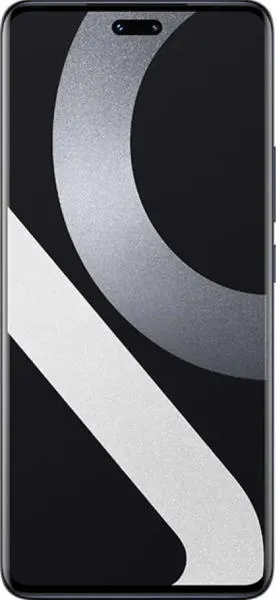
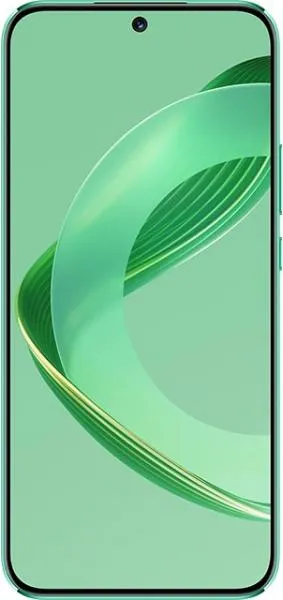
| Feature | Xiaomi 13 Lite | Huawei nova 11 | Practical Impact |
|---|---|---|---|
| Design | |||
| Dimensions (mm) | 159.2 x 72.7 x 7.2 | 161.3 x 75 x 6.9 | Nova 11 is slightly larger and thinner. |
| Weight (g) | 171 | 168 | Negligible weight difference in real-world usage. |
| Display | |||
| Size (inches) | 6.55 | 6.7 | Nova 11 offers a slightly larger viewing area. |
| Resolution | 1080 x 2400 | 1084 x 2412 | Virtually identical resolutions; sharpness difference is imperceptible. |
| Panel Type | AMOLED | OLED | Both offer excellent contrast and vibrant colors. |
| Refresh Rate (Hz) | 120 | 120 | Both provide smooth scrolling and animations. |
| Color Depth | 68B | 1B | Nova 11 boasts a wider color gamut, potentially offering more accurate and nuanced colors for content creation and consumption. |
| HDR | Dolby Vision, HDR10+ | HDR10 | Xiaomi 13 Lite supports more advanced HDR formats, leading to better dynamic range in compatible content. |
| Peak Brightness (nits) | 1000 | 950 | Xiaomi 13 Lite might be slightly more visible in direct sunlight. |
| Performance | |||
| Chipset | Snapdragon 7 Gen 1 (4 nm) | Snapdragon 778G 4G (6 nm) | 7 Gen 1 is generally considered more powerful, potentially resulting in faster app loading, smoother multitasking, and better gaming performance. |
| CPU | Octa-core (1x2.4 GHz A710 & 3x2.36 GHz A710 & 4x1.8 GHz A510) | Octa-core (4x2.4 GHz Kryo 670 & 4x1.8 GHz Kryo 670) | More detailed CPU information for the Xiaomi 13 Lite suggests a potential performance advantage. |
| GPU | Adreno 644 | Adreno 642L | Adreno 644 is expected to deliver slightly better graphics performance. |
| RAM (GB) | 8 | 8 | Same RAM capacity for multitasking. |
| Camera | |||
| Rear Main Camera (MP) | 50 (Sony IMX766) | 50 | Xiaomi specifies the sensor model (IMX766), known for good performance. |
| Rear Ultrawide (MP) | 8 | 8 + Macro | Nova 11 combines ultrawide and macro into one lens. This can be less versatile than dedicated lenses. |
| Front Camera (MP) | 32 + 8 (Depth) | 60 (Omnivision OV60A) | Nova 11 has a higher resolution selfie camera. Xiaomi 13 Lite includes a depth sensor for portrait mode. |
| Video Recording | 4K@30fps, 1080p@120fps, 720p@960fps | 720p@960fps with EIS | Xiaomi 13 Lite offers more comprehensive video recording options, including 4K resolution and 1080p at 120fps. |
| Battery | |||
| Capacity (mAh) | 4500 | 4500 | Identical battery capacities. |
| Fast Charging (W) | 67 | 66 | Negligible difference in charging speed. |
2. Key Differences Analysis
Xiaomi 13 Lite Advantages:
- Superior Performance: The Snapdragon 7 Gen 1 and Adreno 644 provide a noticeable performance advantage for demanding tasks and gaming.
- More Versatile Camera System: Dedicated macro lens and wider video recording options offer greater flexibility.
- Advanced HDR Support: Dolby Vision and HDR10+ provide a better HDR experience.
Huawei nova 11 Advantages:
- Slightly Larger Display: Offers a more immersive viewing experience for multimedia consumption.
- Wider Color Gamut: Potentially better color accuracy for content creators and consumers.
- Higher Resolution Selfie Camera: Captures more detailed self-portraits.
3. User Profiles & Recommendations
Xiaomi 13 Lite: Ideal for users who prioritize performance, gaming, and versatile camera capabilities. Suitable for mobile photographers and videographers.
Huawei nova 11: Suitable for users who value a large, vibrant display and a high-quality selfie camera. Good for multimedia consumption and social media enthusiasts.
4. Decision Framework
Key Questions for Buyers:
- Is top-tier performance a priority? If yes, the Xiaomi 13 Lite is the better choice.
- How important is camera versatility? Dedicated lenses on the Xiaomi offer more flexibility.
- Is a larger display and high-resolution selfie camera crucial? If yes, the Nova 11 is more suitable.
My Choice: Xiaomi 13 Lite
Reasoning: While the Nova 11 offers a slightly larger display and higher-resolution selfie camera, the Xiaomi 13 Lite's superior performance, more versatile camera system with a dedicated macro lens, and wider range of video recording options, including 4K, are more compelling to me. The performance difference offered by the Snapdragon 7 Gen 1 would provide a more future-proof experience. Additionally, the inclusion of Dolby Vision and HDR10+ on the Xiaomi 13 Lite ensures a better HDR viewing experience. The slightly brighter display is also a benefit. While subjective, I prefer having a dedicated macro lens over a combined ultrawide/macro. Ultimately, the performance and overall camera versatility of the Xiaomi 13 Lite outweigh the Nova 11's advantages in display size and selfie camera resolution for my personal needs and preferences.
