1. Specifications Comparison
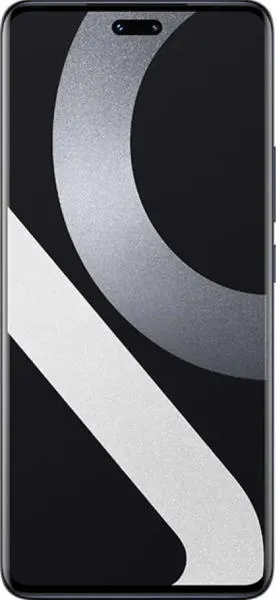
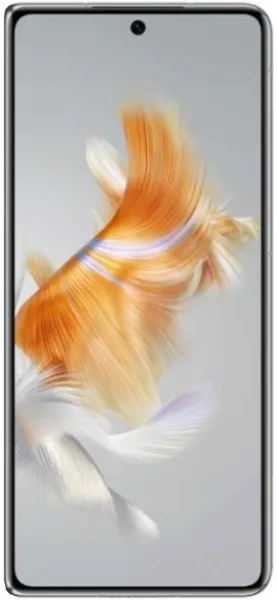
| Feature | Xiaomi 13 Lite | Huawei Mate X3 | Practical Impact |
|---|---|---|---|
| Design | |||
| Dimensions (mm) | 159.2 x 72.7 x 7.2 | 156.9 x 141.5 x 5.3 (Unfolded) | The Mate X3 is significantly wider when unfolded due to its foldable nature, impacting one-handed usability. The 13 Lite is thinner and lighter for everyday portability. |
| Weight (g) | 171 | 239 | The Mate X3's weight is noticeable, a trade-off for its large foldable screen. The 13 Lite is lighter, making it more comfortable for extended use. |
| Foldable | No | Yes | The Mate X3 offers a larger screen real estate and multitasking capabilities due to its foldable design. The 13 Lite provides a traditional smartphone experience. |
| Display | |||
| Size (inches) | 6.55 | 7.85 (Unfolded) | The Mate X3 offers a significantly larger display area when unfolded, enhancing media consumption and multitasking. The 13 Lite has a standard size for one-handed use. |
| Resolution (px) | 1080 x 2400 | 2224 x 2496 (Unfolded) | The Mate X3 boasts a higher resolution, resulting in sharper images and text. The 13 Lite's resolution is sufficient for everyday use. |
| Refresh Rate (Hz) | 120 | 120 | Both phones offer smooth scrolling and animations thanks to their high refresh rates. |
| Display Type | AMOLED | OLED | Both offer excellent contrast and vibrant colors. Information on specific panel technologies (e.g., LTPO on Mate X3) is missing, limiting detailed comparison. |
| Performance | |||
| Chipset | Snapdragon 7 Gen 1 | Snapdragon 8+ Gen 1 | The Mate X3 features a flagship processor, offering superior performance for demanding tasks and gaming. The 13 Lite's processor is capable but targets mid-range performance. |
| CPU | Octa-core | Octa-core | The Mate X3's CPU boasts higher clock speeds, translating to faster processing. Specific core configurations suggest better multi-core performance on the Mate X3. |
| GPU | Adreno 644 | Adreno 730 | The Mate X3 has a more powerful GPU, resulting in smoother gaming and graphics rendering. |
| RAM (GB) | 8 | 8/12 | While both offer 8GB, the Mate X3 also comes in a 12GB RAM variant for even smoother multitasking and demanding applications. |
| Camera | |||
| Main Camera (MP) | 50 | 50 | Both phones feature a 50MP main sensor, but image quality depends on sensor size, processing, and other factors not fully detailed here. |
| Other Cameras | 8MP Wide, 2MP Macro | 13MP Wide+Macro, 12MP Telephoto | The Mate X3 offers a more versatile camera system with a dedicated telephoto lens for optical zoom. |
| Battery | |||
| Capacity (mAh) | 4500 | 4800 | The Mate X3 has a slightly larger battery capacity, potentially offering longer battery life. Real-world usage will depend on individual usage patterns and software optimization. |
2. Key Differences Analysis
Xiaomi 13 Lite Advantages:
- Lighter and more compact: Easier for one-handed use and portability.
- More affordable: Offers good value for its price.
Huawei Mate X3 Advantages:
- Foldable display: Provides a larger screen for productivity and media consumption.
- Flagship performance: Offers superior speed and graphics for demanding tasks and gaming.
- More versatile camera system: Includes a telephoto lens for optical zoom.
3. User Profiles & Recommendations
Xiaomi 13 Lite:
- Ideal User: Budget-conscious users seeking a lightweight and stylish phone for everyday use.
- Use Cases: Social media, web browsing, casual gaming, photography.
Huawei Mate X3:
- Ideal User: Power users who value productivity, multitasking, and a premium mobile experience, willing to pay a premium.
- Use Cases: Demanding applications, gaming, media consumption, content creation, multitasking on the go.
4. Decision Framework
Key Questions for Buyers:
- Budget: The Mate X3 is significantly more expensive. Is a foldable screen and top-tier performance worth the premium?
- Portability vs. Screen Size: Do you prioritize a lightweight and pocketable phone or a larger screen for productivity and entertainment?
- Performance Needs: Do you require the highest processing power for demanding tasks and gaming, or is mid-range performance sufficient?
My Choice:
I would choose the Xiaomi 13 Lite. While the Huawei Mate X3 offers impressive technology, the price difference is substantial. The 13 Lite provides excellent value for its price, delivering a solid overall experience in a lightweight and stylish package. My daily usage revolves around communication, web browsing, social media, and occasional casual gaming, for which the 13 Lite is more than adequate. The Mate X3's foldable screen is appealing, but its added bulk and high price are not justifiable for my needs and budget. If budget were not a constraint and I heavily utilized multitasking features, the Mate X3 would be a strong contender. However, for my personal use, the 13 Lite strikes the best balance of features, performance, and affordability.
