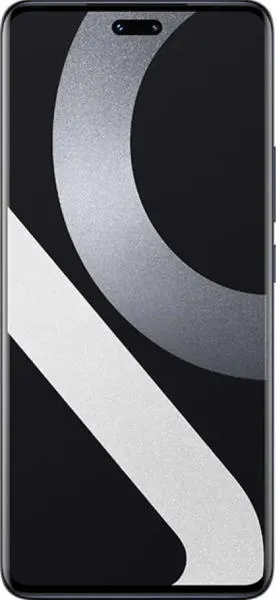
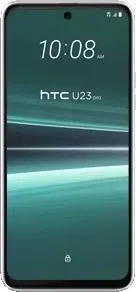
1. Specifications Comparison
| Feature | Xiaomi 13 Lite | HTC U23 Pro | Practical Impact |
|---|---|---|---|
| Design | |||
| Dimensions (mm) | 159.2 x 72.7 x 7.2 | 166.6 x 77.1 x 8.9 | The Xiaomi 13 Lite is significantly smaller and thinner, making it more pocketable and easier to handle one-handed. The U23 Pro is larger and heavier. |
| Weight (g) | 171 | 205 | Noticeable weight difference; the Xiaomi will feel lighter in hand and pocket. |
| Fingerprint Sensor | Under display | Side-mounted | Preference-based, but under-display is often perceived as more modern. Side-mounted can be easier to reach for some. |
| Display | |||
| Display Type | AMOLED | OLED | Both offer excellent contrast and vibrant colors. Specific differences in color accuracy and peak brightness are unknown due to lacking U23 Pro specs. Xiaomi explicitly states Dolby Vision and HDR10+ support, suggesting a superior HDR experience compared to the U23 Pro. |
| Display Size (inches) | 6.55 | 6.7 | The HTC U23 Pro offers a slightly larger screen for media consumption, but the difference is minimal. |
| Resolution | 1080 x 2400 | 1080 x 2400 | Identical resolution, resulting in similar sharpness on both devices given the negligible size difference. |
| Refresh Rate (Hz) | 120 | 120 | Both displays offer smooth scrolling and animations. |
| Performance | |||
| Chipset | Snapdragon 7 Gen 1 | Snapdragon 7 Gen 1 | Identical chipsets suggest similar performance in day-to-day tasks and gaming. |
| CPU | Octa-core (1x2.4 GHz Cortex-A710 & 3x2.36 GHz Cortex-A710 & 4x1.8 GHz Cortex-A510) | Octa-core (1x2.4 GHz Cortex-A710 & 3x2.36 GHz Cortex-A710 & 4x1.8 GHz Cortex-A510) | Identical CPU configurations. |
| RAM (GB) | 8 | 8/12 | The HTC offers a 12GB RAM option, potentially providing better multitasking performance for demanding users. The base 8GB should be sufficient for most. |
| Camera | |||
| Rear Camera | 50MP (Main) + 8MP (Wide) + 2MP (Macro) | 108MP (Main) + 8MP (Wide) + 5MP (Depth) + 2MP (Macro) | The HTC U23 Pro boasts a higher resolution main sensor (108MP) and includes a dedicated depth sensor. However, higher megapixel count doesn't guarantee better image quality. Real-world performance depends on sensor quality, processing, and lens optics, which are not fully detailed. The Xiaomi lists the Sony IMX766 sensor, known for its good performance. |
| Front Camera | 32MP (Main) + 8MP (Depth) | 32MP | Xiaomi offers a dual front camera system, potentially allowing for better depth sensing in portrait mode. |
| Video Recording | Up to 4K@30fps, 720p@960fps | Up to 4K@30fps with EIS, 1080p@30fps with EIS | Both offer 4K recording. The HTC features Electronic Image Stabilization (EIS) at 4K and 1080p for smoother videos, a significant advantage. Xiaomi offers 960fps slow-motion, but at a lower resolution. |
| Battery | |||
| Capacity (mAh) | 4500 | 4600 | Marginally larger battery in the HTC, but real-world battery life depends on optimization. |
| Fast Charging | 67W | 30W | Significantly faster charging on the Xiaomi 13 Lite. |
| Wireless Charging | No | 15W | The HTC U23 Pro supports wireless charging, a convenience feature missing on the Xiaomi. It also offers reverse wireless charging. |
2. Key Differences Analysis
Xiaomi 13 Lite Advantages:
- Significantly more compact and lighter: Easier to handle and carry.
- Faster Charging: Significantly reduces downtime.
- Potentially superior display: Dolby Vision and HDR10+ support suggest better HDR performance. Known good main sensor.
- Dual front camera: Potentially better depth sensing for selfies. Dual front flash.
HTC U23 Pro Advantages:
- Slightly larger battery: Potentially longer battery life.
- Wireless and Reverse Wireless Charging: Added convenience for charging and powering accessories.
- Higher resolution main camera: Potential for more detailed photos in ideal conditions, although real-world performance is unclear.
- EIS in video recording: Smoother video footage.
- Higher RAM option: Better for power users and heavy multitaskers.
3. User Profiles & Recommendations
Xiaomi 13 Lite: Ideal for users who prioritize a compact and lightweight phone with fast charging and a vibrant display. Suitable for everyday use, social media, and casual gaming.
HTC U23 Pro: Ideal for users who prioritize wireless charging, a slightly larger display, and potentially longer battery life. The higher resolution camera and EIS in video recording might appeal to content creators, though more camera details are needed for a definitive recommendation. The 12GB RAM option suits power users.
4. Decision Framework
Key Questions for Buyers:
- Do you prioritize portability and one-handed use? If yes, the Xiaomi 13 Lite is the clear winner.
- Is wireless charging essential? If yes, the HTC U23 Pro is the only option.
- What is your budget and which features matter most? Consider the price difference between RAM/storage options and prioritize features like fast charging, camera quality, and display quality according to your needs.
My Choice: Xiaomi 13 Lite
While the HTC U23 Pro offers appealing features like wireless charging and a slightly larger battery, the Xiaomi 13 Lite's significantly smaller and lighter form factor, coupled with drastically faster charging and a potentially superior display (Dolby Vision/HDR10+), makes it a more compelling package for me. I prioritize portability and speed, and the Xiaomi delivers on both fronts. The confirmed inclusion of the Sony IMX766 sensor also inspires confidence in the camera quality. The lack of detailed camera specs for the HTC U23 Pro, specifically sensor models, makes it difficult to fully assess its camera capabilities despite the higher megapixel count. Finally, the U23 Pro's significantly slower charging speed would be a major drawback for my usage.
