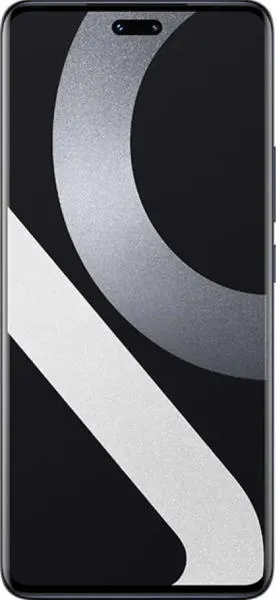
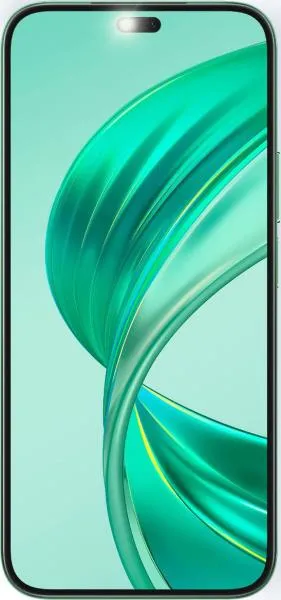
1. Specifications Comparison
| Feature | Xiaomi 13 Lite | Honor X8b | Practical Impact |
|---|---|---|---|
| Design | |||
| Dimensions (mm) | 159.2 x 72.7 x 7.2 | 161.1 x 74.6 x 6.8 | The Xiaomi 13 Lite is slightly smaller and noticeably thinner, making it potentially more pocketable. The Honor X8b is slightly lighter despite its larger size. |
| Weight (g) | 171 | 166 | Negligible weight difference in practical use. |
| Display | |||
| Display Type | AMOLED | AMOLED | Both offer vibrant colors and deep blacks. |
| Display Size (inches) | 6.55 | 6.7 | The Honor X8b has a slightly larger display, providing more screen real estate for media consumption. |
| Resolution (px) | 1080 x 2400 | 1080 x 2412 | Virtually identical resolutions; sharpness will be similar on both. |
| Refresh Rate (Hz) | 120 | 90 | The Xiaomi 13 Lite's 120Hz refresh rate delivers smoother animations and scrolling compared to the Honor X8b's 90Hz. |
| Peak Brightness (nits) | 1000 | 2000 | The Honor X8b boasts significantly higher peak brightness, ensuring better visibility in direct sunlight. |
| HDR Support | Dolby Vision, HDR10+ | None specified | The Xiaomi 13 Lite supports wider HDR formats, resulting in a superior HDR viewing experience. |
| Performance | |||
| Chipset | Snapdragon 7 Gen 1 (4 nm) | Snapdragon 680 4G (6 nm) | The Snapdragon 7 Gen 1 in the Xiaomi 13 Lite is significantly more powerful, leading to faster app loading, smoother multitasking, and better gaming performance. |
| CPU | Octa-core (1x2.4 GHz Cortex-A710 & 3x2.36 GHz Cortex-A710 & 4x1.8 GHz Cortex-A510) | Octa-core (4x2.4 GHz Kryo 265 Gold & 4x1.9 GHz Kryo 265 Silver) | The Xiaomi 13 Lite has a more modern and powerful CPU architecture. |
| GPU | Adreno 644 | Adreno 610 | The Adreno 644 in the Xiaomi 13 Lite offers considerably better graphics performance for demanding games and applications. |
| RAM (GB) | 8 | 6/8 | Both offer ample RAM for multitasking, though the 8GB variant on the Honor X8b may offer slightly better performance. |
| Camera | |||
| Main Camera (MP) | 50 (Sony IMX766) | 108 | While the Honor X8b boasts higher resolution, the Xiaomi 13 Lite uses a larger sensor (Sony IMX766), potentially offering better low-light performance and image quality. |
| Video Recording | Up to 4K@30fps, 720p@960fps | Up to 1080p@30fps | The Xiaomi 13 Lite offers superior video recording capabilities with higher resolution and slow-motion options. |
| Battery | |||
| Capacity (mAh) | 4500 | 4500 | Identical battery capacities. |
| Fast Charging (W) | 67 | 35 | The Xiaomi 13 Lite charges significantly faster. |
2. Key Differences Analysis
Xiaomi 13 Lite Advantages:
- Significantly faster performance: Due to the more powerful Snapdragon 7 Gen 1 chipset.
- Smoother display: 120Hz refresh rate.
- Faster charging: 67W fast charging.
- Better HDR support: Dolby Vision and HDR10+.
- Superior video recording capabilities.
- Potentially better main camera image quality due to the Sony IMX766 sensor.
- NFC for contactless payments.
Honor X8b Advantages:
- Brighter Display: Better outdoor visibility.
- Slightly larger display.
- Lower starting price (considering the 6GB RAM variant).
3. User Profiles & Recommendations
Xiaomi 13 Lite: Users who prioritize performance, a smooth display, fast charging, and a premium multimedia experience (HDR, video recording). Suitable for gaming, demanding applications, and content creation.
Honor X8b: Budget-conscious users who primarily use their phones for basic tasks like browsing, social media, and light gaming. The brighter display is beneficial for outdoor use.
4. Decision Framework
Key Questions for Buyers:
- What is your budget? The Honor X8b offers a lower entry price point.
- What are your primary phone usage patterns? For demanding tasks, the Xiaomi 13 Lite is superior. For basic use, the Honor X8b is sufficient.
- Which features are most important to you? Prioritize performance and charging speed? Choose Xiaomi. Prioritize bright display and affordability? Choose Honor.
My Choice: Xiaomi 13 Lite
While the Honor X8b offers a tempting price, the Xiaomi 13 Lite's superior performance, smoother display, faster charging, and richer feature set (NFC, better camera sensor, HDR support) make it a more compelling overall package. The performance difference between the Snapdragon 7 Gen 1 and the Snapdragon 680 is substantial and will significantly impact daily use. The faster refresh rate and charging speed also contribute to a more premium user experience. While the Honor X8b's brighter display is a plus, it's not enough to outweigh the Xiaomi 13 Lite's numerous advantages for my personal needs. I value a smooth and responsive phone with good all-around capabilities.
