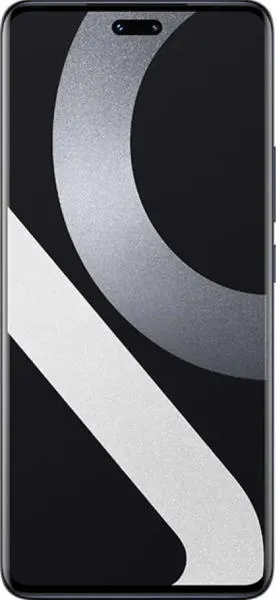
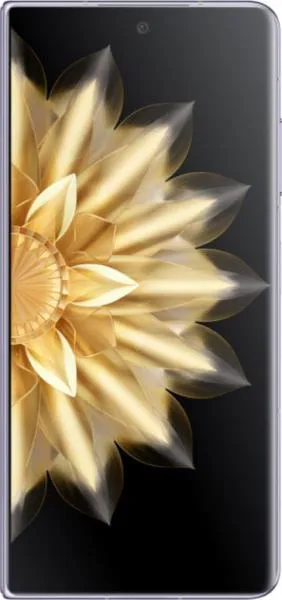
1. Specifications Comparison
| Feature | Xiaomi 13 Lite | Honor Magic V3 | Practical Impact |
|---|---|---|---|
| Design | |||
| Dimensions (mm) | 159.2 x 72.7 x 7.2 | 156.6 x 145.3 x 4.35 (folded) | Magic V3 significantly wider when unfolded due to foldable design; 13 Lite thinner and lighter for easier one-handed use. |
| Weight (g) | 171 | 226 | 13 Lite noticeably lighter for comfortable daily use; Magic V3's weight is expected for a foldable. |
| Foldable | No | Yes | Magic V3 offers larger screen real estate and multitasking capabilities; 13 Lite prioritizes portability and traditional smartphone experience. |
| Display | |||
| Size (inches) | 6.55 | 7.92 (unfolded), ~6.43" (cover display) | Magic V3 provides a significantly larger main display for immersive content consumption; 13 Lite has a standard size. |
| Type | AMOLED | Foldable LTPO AMOLED | Both offer vibrant colors and deep blacks; Magic V3's LTPO panel potentially enables more granular refresh rate control for power efficiency. |
| Resolution | 1080 x 2400 | 2156 x 2344 (unfolded), | Magic V3 boasts a sharper display due to higher resolution, especially beneficial for its larger screen size. |
| Refresh Rate (Hz) | 120 | 120 | Both offer smooth scrolling and animations. |
| Peak Brightness (nits) | 1000 | 1800 | Magic V3 significantly brighter, ensuring better visibility outdoors. |
| Performance | |||
| Chipset | Snapdragon 7 Gen 1 | Snapdragon 8 Gen 3 | Magic V3 offers significantly faster processing and graphics performance for demanding tasks and gaming. |
| CPU | Octa-core (up to 2.4 GHz) | Octa-core (up to 3.3 GHz) | Magic V3's newer and higher-clocked CPU provides a noticeable performance advantage. |
| GPU | Adreno 644 | Adreno 750 | Magic V3's superior GPU delivers smoother gaming and faster graphics rendering. |
| RAM (GB) | 8 | 12/16 | Magic V3 offers more RAM for better multitasking and app switching performance. |
| Camera | |||
| Main Camera (MP) | 50 | 50 | Comparable resolution; further analysis requires examining sensor size, aperture, and other features. Both have a 1 µm pixel size on their main sensor. |
| Ultrawide (MP) | 8 | 40 | Magic V3's ultrawide offers higher resolution for capturing wider scenes with more detail. |
| Telephoto (MP) | N/A | 50 | Magic V3 features a dedicated telephoto lens for optical zoom, absent in the 13 Lite. |
| Video | Up to 4K@30fps, 720p@960fps | Up to 4K@60fps | Magic V3 can record higher resolution and frame rate videos with optical image stabilization. |
| Battery | |||
| Capacity (mAh) | 4500 | 5150 | Magic V3 has a larger battery, likely needed to power the larger display and more powerful hardware. |
| Fast Charging (W) | 67 | 66 | Comparable fast charging speeds; real-world charging times may vary. Magic V3 also has 50W wireless charging. |
2. Key Differences Analysis
Xiaomi 13 Lite Advantages:
- Lighter and More Compact: Significantly easier for one-handed use and pocket portability.
- Lower Price: Offers good value for its features in the mid-range segment.
Honor Magic V3 Advantages:
- Larger, Foldable Display: Provides a tablet-like experience for productivity and media consumption.
- Flagship Performance: Significantly more powerful processor and GPU for demanding tasks and gaming.
- Superior Camera System: Higher resolution ultrawide and dedicated telephoto lens with optical zoom; higher quality video recording capabilities.
- Larger Battery: Potentially longer battery life.
- Faster Data Transfer and Display Out: USB 3.1 with Display Port 1.2 support enables faster data transfer speeds and connection to external displays (with appropriate adapters).
3. User Profiles & Recommendations
Xiaomi 13 Lite:
- Ideal User: Budget-conscious users who prioritize portability, ease of use, and a good balance of features.
- Use Cases: Everyday tasks, social media, web browsing, casual gaming, photography in good lighting conditions.
Honor Magic V3:
- Ideal User: Power users and early adopters who value cutting-edge technology, large screen real estate, multitasking capabilities, and top-tier performance. Professionals who can benefit from the larger screen for productivity.
- Use Cases: Demanding gaming, professional content creation, multitasking, media consumption on a large screen, photography and videography enthusiasts.
4. Decision Framework
Key Questions for Buyers:
- Budget: The Magic V3 is significantly more expensive. Is the premium justifiable for your needs?
- Portability vs. Screen Size: Do you prioritize a lightweight, pocketable phone or a larger screen for productivity and media consumption?
- Performance Needs: Do you require flagship-level performance for demanding tasks and gaming, or is a mid-range chipset sufficient?
My Choice:
I would choose the Honor Magic V3. While significantly more expensive, the foldable form factor, combined with the flagship performance and superior camera system, aligns better with my needs. I value the larger screen real estate for productivity and media consumption, and the powerful hardware ensures a smooth and responsive user experience across all tasks. I am willing to compromise on portability for the added benefits the Magic V3 offers. The inclusion of USB 3.1 with Display Port 1.2 support further enhances its appeal for productivity. While the Xiaomi 13 Lite is a compelling mid-range option, the Magic V3 represents a significant leap in technology and user experience.
