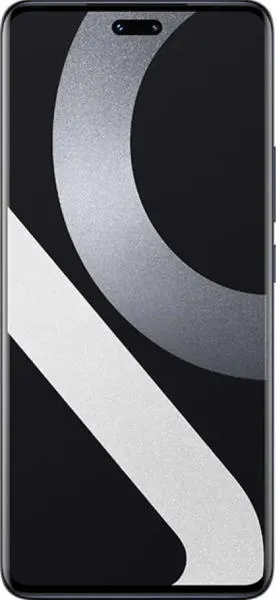
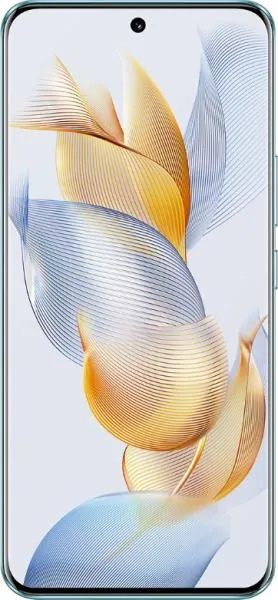
1. Specifications Comparison
| Feature | Xiaomi 13 Lite | Honor 90 | Practical Impact |
|---|---|---|---|
| Design | |||
| Dimensions (mm) | 159.2 x 72.7 x 7.2 | 161.9 x 74.1 x 7.8 | Honor 90 is slightly larger and thicker. |
| Weight (g) | 171 | 183 | Xiaomi 13 Lite is noticeably lighter, improving one-handed use. |
| Display | |||
| Size (inches) | 6.55 | 6.7 | Honor 90 offers a larger screen for media consumption. |
| Resolution | 1080 x 2400 | 1200 x 2664 | Honor 90 has a sharper display (435 ppi vs 402 ppi). |
| Type | AMOLED | AMOLED | Both offer vibrant colors and deep blacks. |
| Refresh Rate (Hz) | 120 | 120 | Both provide smooth scrolling and animations. |
| Peak Brightness (nits) | 1000 | 1600 | Honor 90 is significantly brighter, improving outdoor visibility. |
| Color Depth | 68B | 1B | Honor 90 supports a wider color gamut, resulting in more accurate and vibrant colors. |
| Performance | |||
| Chipset | Snapdragon 7 Gen 1 | Snapdragon 7 Gen 1 Accelerated | Honor 90's slightly faster CPU clock speed might offer a minor performance edge in demanding tasks. |
| CPU | Octa-core (1x2.4 GHz A710 & 3x2.36 GHz A710 & 4x1.8 GHz A510) | Octa-core (1x2.5 GHz A710 & 3x2.36 GHz A710 & 4x1.8 GHz A510) | The difference in clock speed (2.4GHz vs 2.5GHz on the prime core) is minimal in real-world usage. |
| GPU | Adreno 644 | Adreno 644 | Similar graphics performance expected. |
| RAM (GB) | 8 | 8/12/16 | Honor 90 offers configurations with more RAM, beneficial for multitasking. |
| Camera | |||
| Main Camera (MP) | 50 (Sony IMX766) | 200 (Samsung ISOCELL HP3) | Honor 90 boasts a much higher resolution main sensor, potentially capturing more detail. |
| Ultrawide (MP) | 8 | 12 | Honor 90 has a slightly higher resolution ultrawide lens. |
| Selfie Camera (MP) | 32 + 8 (Depth) | 50 | Honor 90 has a single, higher resolution selfie camera. Xiaomi 13 Lite includes a depth sensor for portrait mode. |
| Battery | |||
| Capacity (mAh) | 4500 | 5000 | Honor 90 offers longer battery life. |
| Fast Charging (W) | 67 | 66 | Negligible difference in charging speeds. |
2. Key Differences Analysis
Xiaomi 13 Lite Advantages:
- Lighter and more compact: Easier to handle and carry.
- Potentially more affordable: Depending on specific configurations.
Honor 90 Advantages:
- Larger and sharper display: More immersive media consumption.
- Significantly brighter display: Better outdoor visibility.
- Higher resolution main camera: Potentially better image quality.
- Larger battery: Longer usage time between charges.
- More RAM options: Better for heavy multitasking and future-proofing.
- Wider color gamut: More accurate and vivid colors on display.
3. User Profiles & Recommendations
Xiaomi 13 Lite: Users prioritizing a compact and lightweight phone, light users, budget-conscious buyers.
Honor 90: Users prioritizing display quality, camera performance, battery life, heavy multitaskers, mobile gamers.
4. Decision Framework
Key Questions:
- What is your budget? The Xiaomi 13 Lite might offer better value for budget-conscious buyers.
- What screen size do you prefer? The Honor 90 has a larger display.
- What is your primary use case? Honor 90 for media consumption, gaming, photography; Xiaomi 13 Lite for everyday tasks and portability.
Scenario-Based Recommendations:
- Heavy media consumer: Honor 90
- Mobile gamer: Honor 90 (more RAM options)
- Photographer/Videographer: Honor 90 (higher resolution main camera)
- Budget-conscious buyer: Xiaomi 13 Lite
- User prioritizing one-handed use: Xiaomi 13 Lite
My Choice: Honor 90
While the Xiaomi 13 Lite offers a compelling compact form factor, the Honor 90's superior display, camera, and battery life are more significant factors for me. The brighter and sharper display significantly enhances media consumption and outdoor usability. The 200MP main camera, while not guaranteeing better photos, offers higher resolution and potentially more detail. The larger battery capacity ensures longer usage time, crucial for my daily needs. Although the Honor 90 is slightly larger and heavier, the benefits outweigh the minor trade-offs in portability. Finally, the availability of higher RAM configurations future-proofs the device better for demanding tasks and prolonged usage.
